
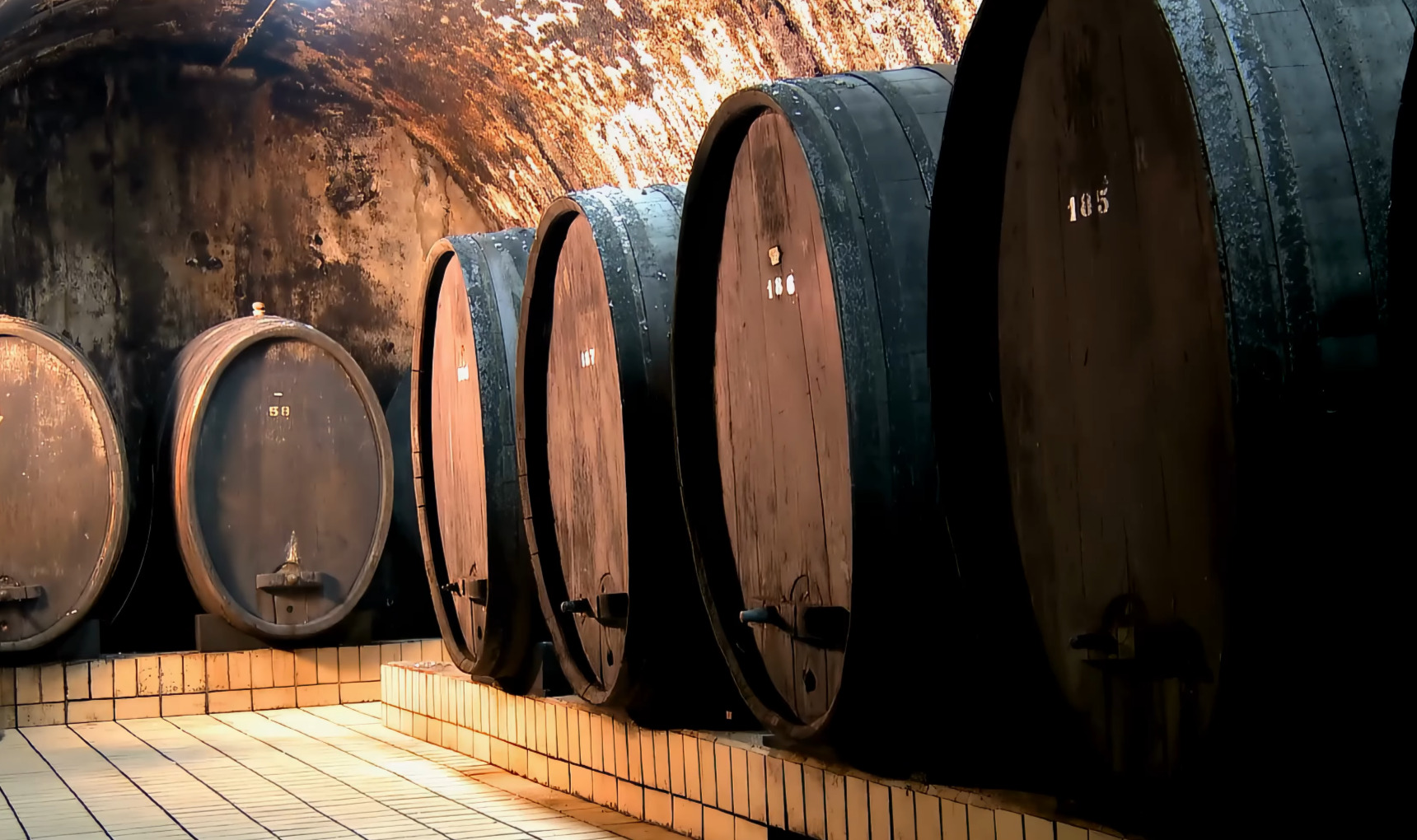
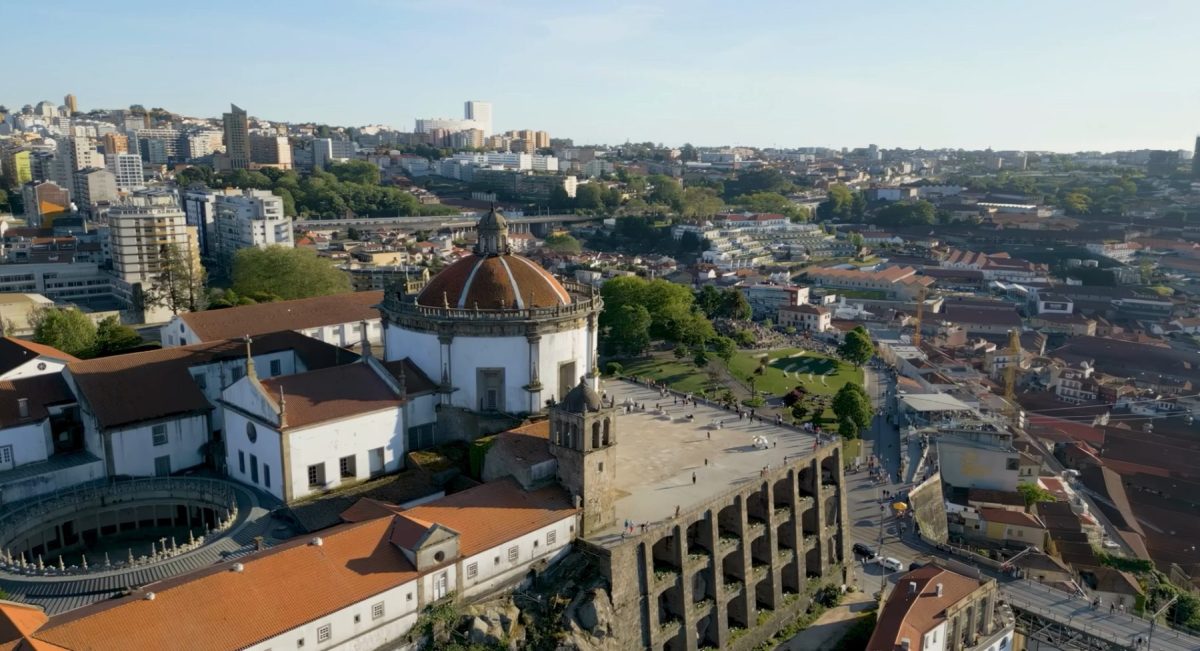
The first thing you notice in Porto is not the skyline. It is the smell. Salt off the Atlantic. Wet stone by the river. Then that faint sweetness once you cross into Vila Nova de Gaia, where the lodges sit above the Douro in long, cool buildings that still seem built for pipes, barrels, and ledger books rather than phone cameras. This is where people get tripped up. They book “Port wine cellar tours Porto” and picture everything unfolding on the Porto side, when the real action has always been across the river in Gaia, where the casks rest and the trade still feels half alive.
We came at this with a simple aim: sort the genuinely rewarding cellar visits from the polished filler that starts to blur after the second ruby. Some tours are sharp, grounded, and worth every euro. Some are polished to the point of emptiness. A few are excellent—but only if you are the right traveler for them. This is the guide to choosing the right Port cellar tour in Porto without burning an afternoon, overpaying for a famous label, or hauling yourself up a Gaia slope for a visit that never gets past the script.
When to Go, What You’ll Spend, and What Sort of Port Experience You’re Really Booking
Our Methodology
We assessed these cellar tours the way serious travelers actually meet them: starting in central Porto, crossing the bridge or taking a short metro hop, then judging the visit on pacing, tasting quality, and whether the place still felt tied to Portuguese wine culture rather than mass-tourism packaging. We gave extra weight to lodges that offered real cellar atmosphere, credible wine explanation, and honest logistical value instead of shiny, factory-like experiences that photograph better than they drink.
Why the Douro’s Heat and Gaia’s Damp Air Shaped the Port in Your Glass
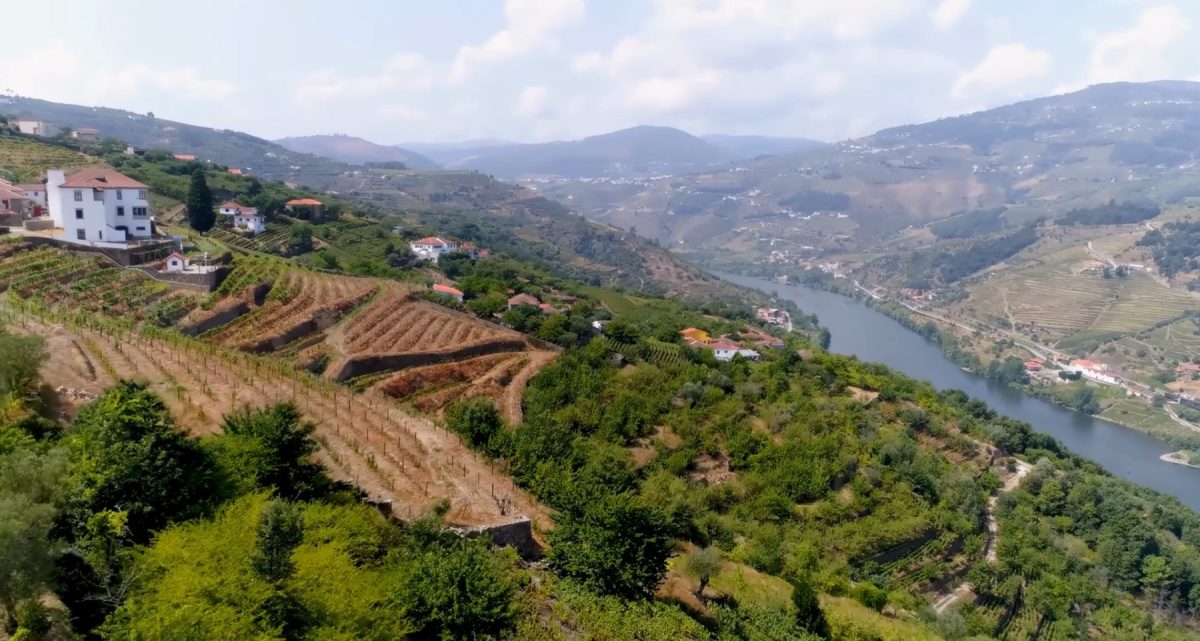
Port cellar tours in Porto only click once you understand the divide between vineyard and lodge. Port is made in the Douro Demarcated Region, inland, among steep schist slopes and dry summer heat where grapes like Touriga Nacional, Touriga Franca, Tinta Roriz, and Tinta Barroca reach the concentration fortified wine demands. From there came the old river link: the rabelo, flat-bottomed and practical, carrying wine toward Gaia. The lodges ended up here for a plain reason. Gaia was cooler, damper, steadier. Better for ageing. The result sits right in the glass: ripe black fruit, spirit lift, tannic grip, cask spice, then that oxidative polish tawny stocks pick up when time does the hard work.
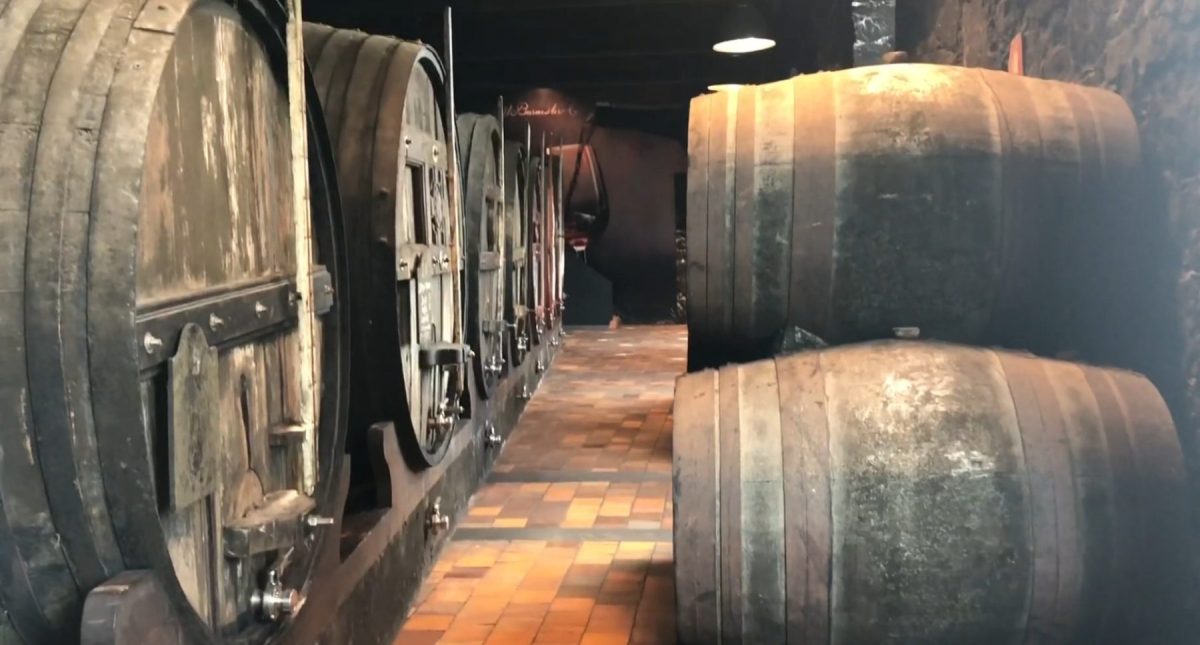
You still feel that history under your shoes. Some lodges smell of wet oak and stone before you even reach the tasting room. Others feel brighter, tidier, more curated. What caught me off guard was how sharply the mood shifts from one house to the next even within the same hillside district. One cellar feels almost monastic. Another leans into showmanship. Another still feels like a working trade space that happens to let you in for ninety minutes, as long as you behave.
“O Vinho do Porto faz-se no Douro e envelhece em Gaia,” one guide told us in the calm tone of someone correcting the same mistake for the thousandth time. Port is made in the Douro and aged in Gaia. That one line clears up a lot.
Myth vs. Reality
A common misconception is that Port wine is made in Porto because the city is crowded with famous cellar tours. The truth is tighter than that and much more interesting: Port is produced under strict rules in the Douro Demarcated Region, then historically brought to Vila Nova de Gaia for ageing and shipment. If there is one detail to keep straight before booking, it is this: the grapes and lagares belong to the Douro, the cask-ageing ritual belongs to Gaia.
Seven Porto Cellar Tours Compared Before You Hand Over a Euro
| Tour Name | Best For (Traveler Profile) | Primary Region / Focus |
|---|---|---|
| Taylor’s Port Cellars Audio Tour & 3-Wine Tasting | First-time Port drinkers and independent travelers | Gaia heritage cellar, self-paced audio-led education |
| Graham’s 1890 Lodge Guided Tour & Pairing Tasting | Travelers wanting a premium, one-big-visit splurge | Gaia hillside lodge, views, prestige tasting |
| Porto Ferreira Visit — Historic Cellars & 3-Wine Tasting | Classic heritage seekers on a sensible mid-range budget | Historic Gaia lodge with strong Portuguese-house identity |
| Cálem Cellar Tour, Interactive Museum & Fado Show | First-time visitors wanting Port plus culture in one booking | Gaia riverfront cellar, Fado, museum-style format |
| Poças Port Essentials Guided Tour & Tasting | Wine-focused travelers seeking value and a calmer feel | Portuguese-owned Gaia cellar near Devesas |
| Churchill’s Lodge Guided Tour & Classic Ports Tasting | Repeat visitors and drinkers who want a working-lodge mood | Operational Gaia lodge with more contemporary producer feel |
| Cockburn’s Port Lodge Tour & Tasting | Travelers interested in barrel craft and cooperage | Historic Gaia lodge with large wooden cellar and cooperage |
The Best Overall Port Cellar Tour in Porto for Most Travelers
1. Graham’s 1890 Lodge Guided Tour & Pairing Tasting
Ideal for: Travelers who want one polished, memorable cellar experience with serious wines, real atmosphere, and a sense of occasion. Skip this if: You hate uphill walks or you need to stay close to entry-level pricing.
Graham’s takes the top spot because it gets the whole package right. The approach already changes your mood. You leave the churn of the riverfront, head uphill, and Porto opens below in one of the best views in Gaia. Then the door closes and the scene tightens. Old timber. Cool cellar air. That stillness you only get in places built for cask ageing, not visitor throughput. This is a working lodge, and you feel it immediately. The visit still has a purpose beyond entertaining you.
Our tasting made the point even more clearly. Some houses lean hard on history and then lose focus in the glass. Others chase spectacle. Graham’s does neither. The guide walks you through Douro terroir, maturation, and style with enough detail to keep a smart drinker interested, then the seated tasting lands with real weight. At around 2 hours, the format also gives the wines room to breathe. So do you.
There is a price for that polish. Standard premium experiences start at €30 and stronger pairings move to €60, then higher, with rare-flight options reaching €135. The hill is also real—well, more annoying than dramatic, but still. Even so, if someone asks me for a single answer to “What is the best Port wine cellar tour in Porto?” this is the one I give.
“A good Port tasting should slow you down,” a local guide told us. “If you leave feeling rushed, you visited a cellar. You did not really sit with it.”
- One of the strongest lodge settings in Gaia, with wide views over Porto and the Douro
- Still works as a live cellar, which gives the visit more weight than museum-only formats
- Strong premium tasting options with food pairings and a genuinely memorable atmosphere
- Premium pricing sits above many standard cellar tours
- The uphill approach can feel tedious after a full day walking Porto and Gaia
Six More Porto Cellar Tours That Suit Different Kinds of Drinkers
2. Taylor’s Port Cellars Audio Tour & 3-Wine Tasting
Ideal for: First-time Port drinkers, solo travelers, and anyone who likes controlling their own pace. Skip this if: You want a live guide in the room with you from beginning to end.
Taylor’s stays on recommendation lists for a reason. It understands that a lot of visitors need orientation more than performance. The self-paced audio guide, offered in 13 languages, makes the whole thing easy to absorb without that slight resentment you feel when a group is being hustled along. The route covers production, Douro geography, and house identity before the three-wine finish. Clean structure. No mess.
The trade-off is obvious. It feels more like a museum than a conversation. For people who want a firm grounding in Port, that is a strength. For anyone hoping for warmth, back-and-forth, maybe a guide who goes off-script when the tasting turns interesting, it can feel a little controlled. Still, at €25 and roughly 1 to 2 hours, it is one of the best first-stop cellar visits in Gaia. Frankly, I think many travelers should start here and get their bearings before chasing rarer bottles.
- Excellent multilingual audio format with 13 language options
- Strong educational focus on Port production and Douro terroir
- Reliable value at €25 for a polished three-wine experience
- Less personal than a fully guided sommelier-style visit
- The hillside location can involve a steep walk from the riverfront
3. Porto Ferreira Visit — Historic Cellars & 3-Wine Tasting
Ideal for: Travelers who want heritage, value, and a stronger Portuguese-house story. Skip this if: You are after a boutique, intimate feel.
Ferreira works because it never seems desperate to impress you. That is part of the charm. The house story matters, and the link to Dona Antónia Ferreira gives the visit more backbone than many cellar tours with louder branding. The standard visit runs about 50 minutes, which makes it an easy fit if your day in Porto already has lunch, a bridge walk, maybe a quick stop for petiscos, and no spare patience.
It is not the most dramatic cellar in Gaia. Not the one with the big view either. Fine. At €23, it gives you a grounded classic visit close to the river and keeps the focus where it should be: on the wine, the casks, the continuity of the house. To be fair, that restraint is exactly why some people love it.
- Strong heritage story tied to a major Portuguese wine figure
- Very fair entry price at €23
- Short 50-minute format suits packed city itineraries
- Lacks the grand panoramic draw of some hillside competitors
- Can feel standard if you expected a more elevated tasting-lounge finish
4. Cálem Cellar Tour, Interactive Museum & Fado Show
Ideal for: First-time visitors who want an easy evening that combines Port with culture. Skip this if: You want a quiet, wine-first atmosphere or you have no patience for mainstream tourism packaging.
Cálem is not subtle. It is efficient. The riverfront address makes access simple, the museum format is easy to follow, the tasting is approachable, and the live Fado segment gives the whole booking an emotional lift many travelers genuinely want. I get it. After a full day in Porto, a wine-and-music evening can hit exactly the right note.
Still, let’s be honest about what it is. This is less a deep cellar study than a well-assembled night out. If that is what you want, great. Book it. If you want the most convincing wine education in Gaia, there are better addresses. The trick with Cálem is not to ask it to be something it never claimed to be.
- Best single booking for combining Port tasting with live Fado
- Easy riverfront access with no need for an uphill lodge climb
- Interactive museum helps casual wine drinkers stay engaged
- Less intimate than smaller, more wine-focused lodges
- The cultural-show format softens the depth of the cellar experience
5. Poças Port Essentials Guided Tour & Tasting
Ideal for: Travelers who care more about the glass than the skyline and want better value with a calmer pace. Skip this if: You want a riverfront setting and the easy postcard version of Gaia.
Poças is a smart choice for people willing to move slightly off the obvious track. The location near Devesas means you lose the cinematic promenade effect, yes, but you gain something useful: a steadier, more personal feel. I liked that. No heavy-handed staging. Just a solid cellar visit, sensible guidance, and a tasting proportionate to the price.
At €25 for the standard Port Essentials tour and about 1.5 hours, the value is strong. There is also a practical edge here that many travel writers skip because it sounds too mundane to print: Devesas train station is nearby, and that genuinely helps. Porto gets hot, Gaia’s paving can wear you down, and one less uphill stretch matters more after your second glass.
- Very good value for a guided cellar visit with three Ports
- Calmer feel than some of the busiest Gaia names
- Helpful rail access via nearby Devesas station
- Less visually dramatic than the trophy lodges above the river
- Seasonal closure in late January to mid-February can catch winter travelers out
6. Churchill’s Lodge Guided Tour & Classic Ports Tasting
Ideal for: Repeat Porto visitors and drinkers who want a working-lodge mood rather than a blockbuster attraction. Skip this if: You want the biggest-name house with the fullest tourism machinery around it.
Churchill’s feels built for people who already know just enough to want less theater. You walk in and the appeal is immediate: barrels, function, a more contemporary producer identity, a place that feels neither over-polished nor fake-rustic. The tour usually runs about 1.5 hours, and depending on the option, the tasting can widen out to include both Port and Douro table wines.
That matters. It gives the visit a broader view of the region, and for drinkers who care about dry Douro reds almost as much as fortified wine, it adds texture. This is not the obvious choice in Gaia. Honestly, that is part of why I rate it. The best cellar experiences are not always the loudest ones.
- Clear working-lodge atmosphere rather than pure museum staging
- Useful option for tasting both Port and Douro wines in one house
- Competitive pricing from €25 to €30
- Less instantly recognizable for travelers chasing headline brands
- Fewer attraction-style extras than some larger competitors
7. Cockburn’s Port Lodge Tour & Tasting
Ideal for: Travelers who care about barrel craft, cooperage, and the physical side of the Port trade. Skip this if: You are visiting on a weekend and assuming you will definitely see coopers at work.
Cockburn’s stands out for one reason, and it is a good one: cooperage. If the timing lines up, you can watch the in-house team repairing barrels, and that changes the whole visit. Suddenly Port is not just sweetness, oxidation, and tasting-room language. It is wood, tools, hands, maintenance, repetition. The sheer size of the wooden cellar only drives that home harder.
I loved this visit. Plenty of travelers will. At about 1 hour 30 minutes and from €26, it delivers substance without turning pompous. The one caution is timing. If the cooperage is why you booked—understandable, because it is the best hook here—do not leave that detail to luck. A weekday slot is the safer call.
- Rare chance to connect Port tourism with actual cooperage craft
- Large wooden cellar gives the visit strong physical presence
- Excellent choice for travelers who value operational authenticity
- The cooperage highlight is timing-sensitive and stronger on weekdays
- Not the best fit if you only want a quick, light tasting stop
What Experienced Travelers Get Right About Porto Cellar Logistics
Cellar planning in Gaia looks laughably easy on a map. It is not difficult, but the details matter more than people think. São Bento to General Torres takes about 4 minutes by train, Aliados to Jardim do Morro about 4 minutes by metro, and the bus from São Bento to General Torres about 7 minutes. Central Porto to Gaia cellar addresses is usually around 10 minutes by taxi in light traffic. Small numbers, yes. They still shape the day. One smart transit choice can save you a sweaty uphill trudge before a tasting, and in summer that matters more than pride.
- Use metro or train for the hillside lodges if you want to save your legs for the visit rather than the climb.
- Book premium and sunset slots early from June through September because the stronger-rated tours fill faster.
- Do not cram too many sweet tastings into one afternoon. One premium lodge and one lighter second stop is usually enough.
Insider Insight
The smartest move is booking your preferred cellar a few days ahead in summer, then using public transit for the uphill lodges. It matters because Gaia looks compact, but the elevation and the sold-out premium slots can quietly ruin the rhythm of the day if you assume spontaneity will sort everything out for you.
One more thing people miss: bottle shopping is not endlessly flexible. Since 25 June 2025, Porto’s containment-zone rules have restricted late-night alcohol sales from wine cellars and similar retail outlets between 9 p.m. and 8 a.m. in the affected nightlife zone. Buy before dinner, not after. I have watched visitors realize this too late and stare at a closed counter like it personally betrayed them.
Common Questions Travelers Ask Before Booking a Port Cellar Tour in Porto
Are Port wine cellar tours in Porto actually in Porto or in Gaia?
Most classic cellar visits are in Vila Nova de Gaia, directly across the river from Porto, because that is where the historic ageing lodges are concentrated. Port itself is produced in the Douro Demarcated Region, not in the city center.
How much should I realistically expect to pay for a good cellar tour?
Expect roughly €23 to €35 for a strong standard cellar visit. Better premium tastings and pairings usually land in the €30 to €60 range, while prestige rare-flight formats can reach €135.
Which cellar is best for first-timers: Taylor’s, Graham’s, Ferreira, or Cálem?
Taylor’s is the safest first-time pick for structured education and flexible pacing, Graham’s is the strongest premium splurge, Ferreira is a dependable heritage choice at a fair price, and Cálem works best for visitors who want a Port-and-Fado combo rather than a purist wine focus.
How long should I allow for a proper cellar-tour session?
Allow 50 to 90 minutes for standard visits and around 2 hours for premium formats. Add extra time if you are walking from Porto, climbing to a hillside lodge, or pairing the visit with lunch, a cruise, or live music.
Is it better to do one premium cellar or several cheaper ones?
For most travelers, one premium cellar plus one casual second stop is the sweet spot. Port is rich, sweet, and stronger than many people expect, so trying to force three full visits into one afternoon usually reduces contrast rather than improving it.
Where to Go After Porto’s Cellars Reset Your Palate
The best Port wine cellar tour in Porto is not the same for every traveler, but the pattern is pretty clear. Graham’s is the strongest overall experience. Taylor’s is the safest first-timer choice. Ferreira is the classic value play. Cálem suits visitors who want music and mood. Poças, Churchill’s, and Cockburn’s reward people who care about texture, cask work, and the quieter corners of the trade. Start there and Gaia stops feeling like a row of tasting rooms. It starts reading the way it should: as the Atlantic-facing archive of the Douro. After that, your palate is ready for bigger detours, whether that means mineral-driven whites elsewhere in Europe, volcanic vineyards on Atlantic islands, or a deeper run into Portugal’s inland valleys and terraced wine roads.