
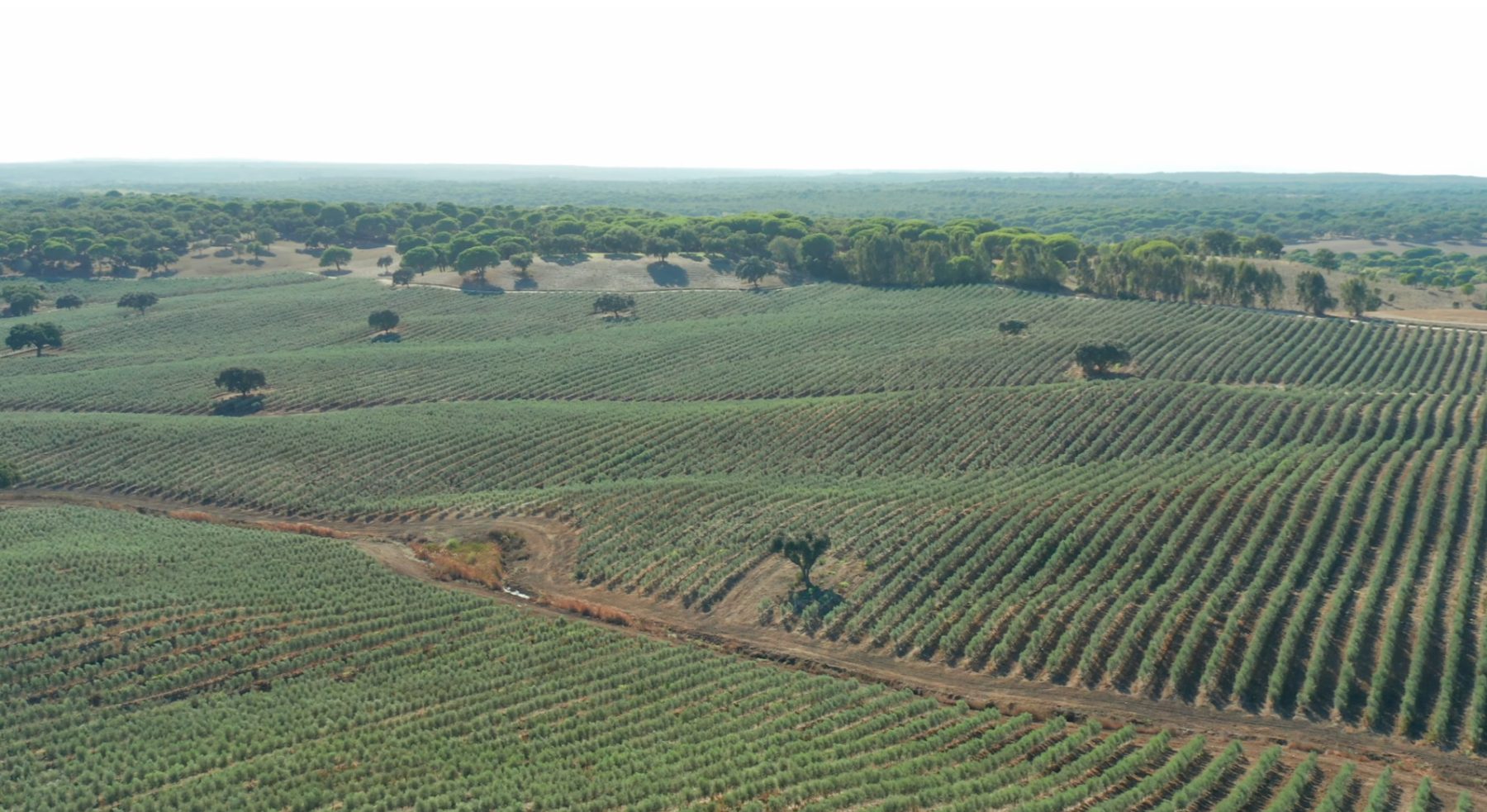
The drive into Alentejo feels less like arrival than release. Lisbon drops away, the light gets harder, cork oaks begin standing at strange intervals across the fields, and the road dust starts doing that Alentejo thing: coating the tyres, the vines, the edges of your shoes. This is not the damp schist mood of the Douro, where old lodges smell of barrels and river stone, and it is miles from the sharp, green bite of Vinho Verde. Alentejo comes at you broader. Warmer. A glass here can taste of ripe plum, olive skin, sun-baked clay, black pork fat, dry oregano, and the cool hush of a cellar where a talha has been quietly doing its work since the grapes came in.
This is a guide for travelers who can smell a tourist-trap tasting room before the first pour. The best Alentejo wine tours are not just about dense reds, though the region can make those with real swagger. They are about Vinho de Talha, clay amphorae, Vidigueira whites, proper vineyard estates, and the unglamorous details that decide whether your day becomes a memory or a slog in an overheated van.
Alentejo Wine Tours in Practical Terms: When to Go, What It Costs, and Where to Start
Our Methodology
We assessed these tours as wine travelers with little patience for theatrical cellar patter, giving more weight to Portuguese quintas, talha rooms, family producers, small groups, and guides who could explain why Vidigueira matters. We favored experiences that made sense of clay, grape, lunch, road time, and regional identity instead of pouring three wines beside a gift shelf and calling it authenticity.
Clay Pots, Dry Heat, and the Alentejo Signature in the Glass
Alentejo is Portugal’s wide inland wine country, and it behaves like one. The DOC subregions run through Portalegre, Borba, Redondo, Reguengos, Vidigueira, Évora, Granja-Amareleja, and Moura, which means the region is far less uniform than lazy tasting-room scripts suggest. Portalegre can hold on to freshness from altitude; Vidigueira and Moura tend to give a warmer, rounder register. Alicante Bouschet supplies ink and grip, Aragonez brings ripe fruit, Trincadeira can throw spice and a slightly feral perfume, and Antão Vaz is the white grape that makes Vidigueira more than a red-wine stop.
The talha story has deep Roman roots, but it survives because it still fits the place. Hot days, dry air, generous fruit, and large porous clay vessels called talhas make a brutally logical match. A good Vinho de Talha is not a heritage cosplay wine. It can be earthy, textural, a little unruly, sometimes cloudy at the edge. Good. Let it be.
Food explains the wines faster than a lecture. Migas alentejanas, that bread-based Alentejo staple often served with pork or sausages, has no interest in fragile wine. Nor do the stews, olive oils, cheeses, or black-pork dishes. They want weight, salt, smoke, and a glass that does not collapse halfway through lunch.
“In Alentejo, the wine does not shout. It sits at the table first, then waits for the food to arrive.”
Myth vs. Reality
A common misconception is that Alentejo wine means only heavy, high-alcohol red wine. The truth is more useful: the region does make bold reds, but it also gives you fresh Vidigueira whites from Antão Vaz, amphora-made whites and reds, earthy talha wines with lighter edges, olive-oil pairings, and serious estate tastings across several subregions.
Comparing the Best Talha Cellars and Vineyard Estate Experiences in Alentejo
| Tour Name | Best For (Traveler Profile) | Primary Region / Focus |
|---|---|---|
| Full-Day Évora-Based Alentejo Wine Tour with 2 Wineries and Lunch | Travelers staying in Évora who want a proper wine day without the Lisbon transfer grind | Évora-area wineries, lunch, small-group wine logistics |
| Talha de Frades Essential Amphora Wine Tasting in Vila de Frades | Travelers who came for talha wine and want a short, focused clay-cellar tasting | Vila de Frades, Vinho de Talha |
| Gerações da Talha Historic Family Amphora Winery Visit | Wine travelers seeking family heritage and small-cellar storytelling | Vila de Frades, family talha tradition |
| Casa das Talhas Adega Vidigueira Antão Vaz and Talha Cellar Visit | Budget-conscious travelers who want Vidigueira context and regional structure | Vidigueira, Antão Vaz, talha culture |
| Herdade do Rocim Fresh from Amphora Talha Wine Visit | Travelers wanting polished estate interpretation of amphora wines | Cuba and Vidigueira area, modern talha wines |
| Adega José de Sousa Historic 114-Amphora Clay Pot Tasting | Wine enthusiasts wanting a dramatic historic clay-pot cellar | Reguengos de Monsaraz, historic amphora cellar |
| Private Lisbon-to-Évora Heritage and Alentejo Wine Estate Day | First-time visitors wanting Évora, wine, hotel pickup, and private transport | Lisbon to Évora, heritage plus estate tasting |
The Strongest Overall Choice for Travelers Already Staying in Évora
1. Full-Day Évora-Based Alentejo Wine Tour with 2 Wineries and Lunch
Ideal for: Travelers already staying in Évora who want a full wine day without the Lisbon transfer burden. Skip this if: You need the cheapest tasting available, because the current listed price starts at €264 per person.
This is the format that understands Alentejo instead of fighting it. Lisbon to Évora is approximately 134 km and 1 hour 27 minutes by car, so a Lisbon-origin itinerary spends a big chunk of the day just earning the right to begin. Start in Évora and the whole thing breathes differently. Less van time. Better questions.
The tour runs as a 6-hour wine day from Évora with 2 wineries and lunch, usually for a minimum of 2 and a maximum of 8 persons. That number matters more than people think. When we walked the vineyard tracks on this sort of route, the best moments came between the official stops: a guide pointing at a stressed parcel, a winemaker talking about picking before the afternoon heat, a throwaway comment about why old Alicante Bouschet behaves like an entirely different animal.
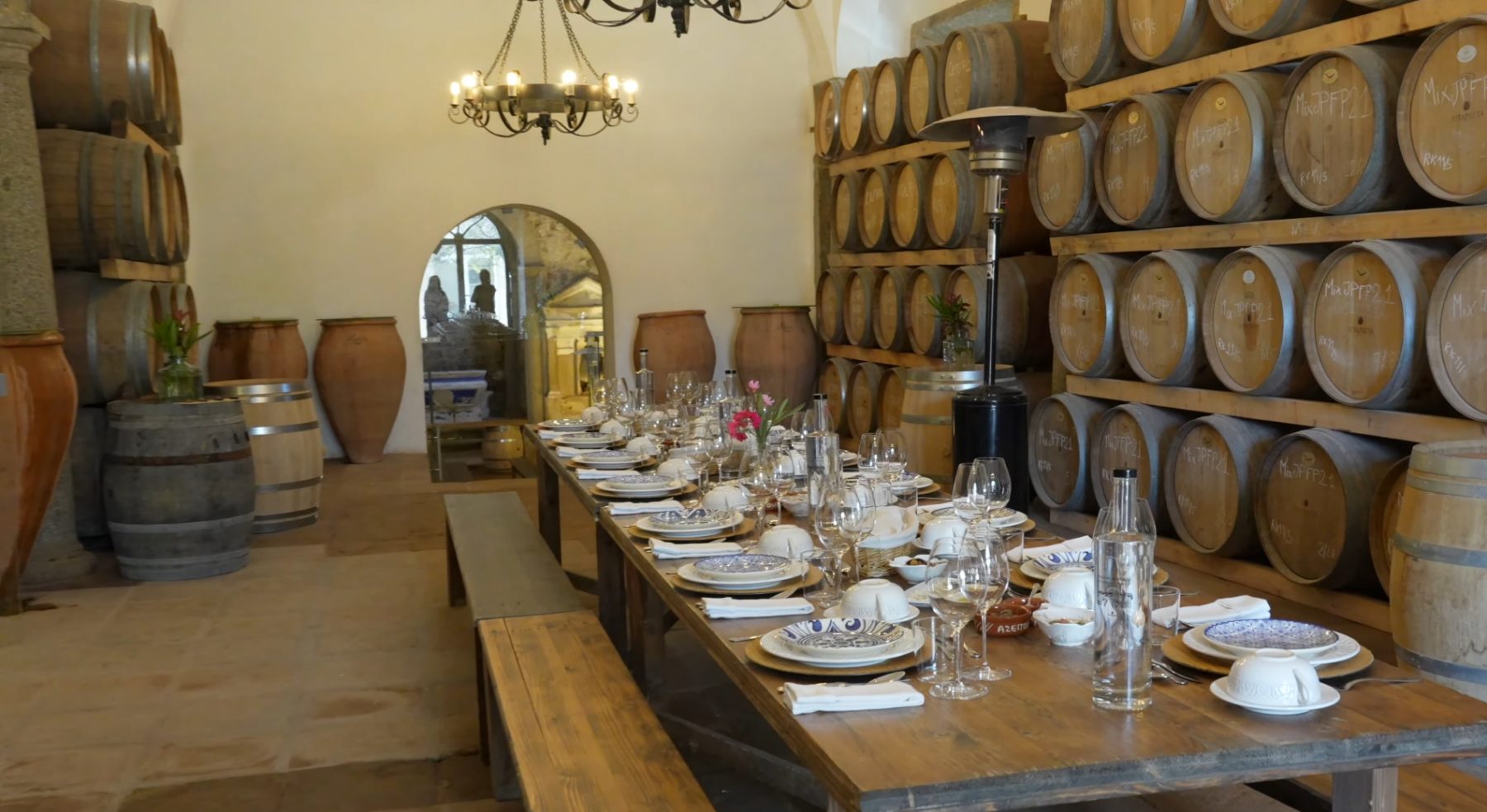
The pace is culinary rather than frantic. Cellar, glass, lunch, road, second estate. It may not be talha-exclusive unless you confirm the winery selection before booking, and I would absolutely confirm it, but for English-speaking travelers who value comfort and guide access, this is the cleanest all-round structure.
“Two wineries and lunch is enough here. More than that, and you are tasting the road instead of the wine.”
- Évora departure avoids the 1 hour 27 minute drive from Lisbon to Évora at both ends of the day.
- Small maximum group size of 8 persons supports better guide interaction.
- Lunch inclusion makes the itinerary more realistic for Alentejo’s rural distances.
- Higher price than simple winery visits or Lisbon group day tours.
- Route may not be exclusively talha-focused unless the winery selection is confirmed before booking.
Detailed Reviews of Alentejo Talha Tastings, Estate Visits, and Lisbon-Based Wine Days
2. Talha de Frades Essential Amphora Wine Tasting in Vila de Frades
Ideal for: Travelers who specifically want talha wine, clay-cellar atmosphere, and a short, low-commitment tasting without a full-day tour. Skip this if: You are based in Lisbon without a car, because Vila de Frades requires approximately 2 hours 20 minutes of driving from Lisbon to Vidigueira before local transfers.
This is the straightest line into the talha subject. Talha de Frades sits in Vila de Frades, widely treated as the Capital of Talha Wine, and the experience is deliberately compact: 1 hour, 4 tastings, and an on-site visit for 2 to 16 persons. It does not pretend to be a grand estate circuit. I like that.
The tasting is cellar-first, scenery second. You are there for clay, skins, local habit, and the slightly unruly personality of amphora wine. The current listed price is €30 per person, which is fair for a specialist tasting with this focus.
Use it as part of a Vidigueira or Beja self-drive day, not as the sole reason to leave Lisbon before breakfast. Two hours and 20 minutes each way for one hour of tasting is bad arithmetic unless the rest of the day has been built with care.
- Focused directly on talha wine rather than generic Alentejo reds.
- Current listed price is €30 per person, making it one of the better-value specialist tastings.
- Small maximum group size of 16 persons supports questions and cellar detail.
- Not convenient by public transport for day-trippers from Lisbon.
- Short duration means no vineyard lunch, cork stop, or Évora heritage component.
3. Gerações da Talha Historic Family Amphora Winery Visit
Ideal for: Wine travelers who want family heritage, small-cellar storytelling, and talha continuity across generations. Skip this if: You expect a luxury estate with landscaped gardens, restaurant infrastructure, and formal visitor-center polish.
Gerações da Talha is about inheritance, which is a word wine marketing abuses, but here it fits. The winery is described as having a history stretching back about 250 years, and that changes how you read the room. A talha is no longer a photogenic object against a whitewashed wall. It is a working memory.
The experience suits people who enjoy listening more than being entertained. It is intimate, artisanal, and tied to Vila de Frades in a way that feels lived rather than staged. The listed market positioning starts around $35.10, sitting in the same low-€30s specialist range as other focused talha visits.
I would pair it with Casa das Talhas, Honrado Vineyards, or Herdade do Rocim. Alone, it may not justify the rural transfer. In sequence, it becomes one of the more persuasive routes into Portuguese amphora wine.
- Strong match for travelers specifically researching talha wine.
- Family-history angle gives context beyond a standard tasting flight.
- Located in Vila de Frades, the strongest village base for talha-specific itineraries.
- The location favors travelers with a private driver or rental car.
- English availability and exact schedule should be confirmed directly before booking because host-managed schedules can vary.
4. Casa das Talhas Adega Vidigueira Antão Vaz and Talha Cellar Visit
Ideal for: Travelers who want a budget-friendly, structured cellar visit tied to Vidigueira’s signature white grape and talha identity. Skip this if: You want a boutique-only producer experience; cooperative settings can feel less intimate than family cellars.
Casa das Talhas is the sensible educator in the room. The current listed experience range is €15 to €25, which is unusually accessible for anyone trying to understand Vidigueira without paying private-tour money. It also gives useful context for Antão Vaz, the local white grape that can throw off visitors who arrived expecting only big, sun-fed reds.
The feeling is structured rather than romantic. Options include a cellar visit, an Antão Vaz visit, visits to century-old vineyards, and a premium visit. As a first stop before lunch, it does its job: it gives you grammar before the poetry.
To be fair, cooperative settings can feel less intimate. Still, when the aim is learning, scale is not always the enemy. Here it helps explain grapes, place, production, and why Vidigueira keeps appearing whenever serious people talk about Alentejo whites.
- Very strong price-to-content ratio at €15 to €25.
- Clear connection to both talha culture and the Vidigueira white-wine identity.
- Good practical anchor for a self-drive itinerary because it is in Vidigueira rather than a remote estate.
- Cooperative scale may feel less atmospheric than a small talha tavern.
- On-site visit requires separate transport planning from Évora or Lisbon.
5. Herdade do Rocim Fresh from Amphora Talha Wine Visit
Ideal for: Travelers who want talha wine interpreted by a well-known modern producer with a polished visitor setup. Skip this if: You only want tiny village taverns; Rocim is more estate-oriented and contemporary than rustic.
Herdade do Rocim gives amphora wine a cleaner, more modern frame. The talha visit lasts 2 hours, includes 4 tastings, and compares Fresh From Amphora white and red wines with Herdade do Rocim Amphora white and red. At €25 per person, the structure is sharp value.
The estate sits in the Cuba and Vidigueira area, so it still belongs inside the right wine conversation. The difference is polish. You get a visitor-ready setup and a clearer comparative tasting than many small village rooms can offer, which makes Rocim a smart bridge for travelers who want talha without feeling dropped into someone’s working cellar unannounced.
The group range of 1 to 20 persons keeps it flexible. The rural transport problem remains. Do not bolt this casually onto a Lisbon day unless the rest of the itinerary has been planned around the Alentejo interior.
- Good technical comparison of white and red amphora wines.
- Strong value at €25 for a 2-hour, 4-wine format.
- More visitor-ready than many small village cellars.
- Still requires rural transport; it is not a walkable Évora experience.
- Less suitable for travelers looking for a full lunch-and-landmarks day.
6. Adega José de Sousa Historic 114-Amphora Clay Pot Tasting
Ideal for: Wine enthusiasts who want a dramatic talha cellar, historic production equipment, and a Reguengos/Monsaraz wine stop. Skip this if: Your route is focused only on Vidigueira and Vila de Frades; Reguengos is a different cluster and adds driving time.
Adega José de Sousa is the cinematic clay-pot stop, and sometimes cinema helps. The cellar preserves 114 clay pots still connected to special wines, so the story does not need much dressing. You see the amphorae. You understand the scale.
The current talha tasting runs 1 hour 30 minutes, includes 3 tastings, and can take 1 to 40 persons at €49 per person. That capacity is the catch. A larger group can flatten the mood fast, and I would rather do this with fewer people and more time near the pots.
It pairs well with Monsaraz, São Pedro do Corval pottery, or Herdade do Esporão. The Reguengos cluster feels different from Vidigueira: more estate energy, more heritage-day structure, and enough visual pull for travelers who care about photographs as much as finish length.
- One of the most visually memorable talha cellars in Alentejo.
- Strong historic credibility through the 114 clay amphorae still connected to production.
- Good fit for travelers combining wine with Monsaraz or Reguengos heritage.
- Larger maximum capacity of 40 persons can feel less intimate if booked with a group.
- Not ideal for travelers staying in Vidigueira without a car, because it sits in the Reguengos cluster.
7. Private Lisbon-to-Évora Heritage and Alentejo Wine Estate Day
Ideal for: First-time Alentejo visitors who want UNESCO Évora, a guided wine tasting, private transport, and hotel pickup in one day. Skip this if: Your priority is deep talha wine; many Lisbon-origin tours focus on Évora plus one classic estate such as Cartuxa or Esporão rather than Vidigueira amphora cellars.
This is the smoothest choice for travelers who do not want to drive and do not want to decode rural logistics. Private Lisbon-origin tours commonly run 8 to 10 hours, use air-conditioned vehicles, include hotel pickup, and combine Évora’s historic center with an Alentejo winery tasting. Current Lisbon-origin private Évora and Alentejo wine listings show prices from €150 to €268 per person.
The appeal is obvious. Clean pickup, English-speaking guidance, heritage in Évora, then wine. Some itineraries include Évora and a tasting of 3 selected wines; comparable private formats list two wineries, cheese and smoked sausages, lunch, and all fees. It is easy and polished, which is sometimes exactly what a travel day needs.
But do not confuse easy with deep. If talha is the reason you are booking, insist on Adega José de Sousa, Vila de Frades, Herdade do Rocim, or another amphora producer in writing before you pay. Otherwise you may get a pleasant estate day and miss the clay-pot story entirely.
- Best option for travelers without a rental car.
- Strong logistics for English-speaking travelers, including hotel pickup and air-conditioned transport.
- Efficient combination of Évora heritage and estate wine tasting in one day.
- Lisbon-to-Alentejo transfer time consumes a large share of the day.
- Talha wine is not guaranteed unless the itinerary specifically includes Adega José de Sousa, Vila de Frades, Herdade do Rocim, or another amphora producer.
Field Notes on Alentejo Heat, Rural Distances, and What to Ask Before Booking
Insider Insight
Confirm talha content before booking a generic “Alentejo wine tour.” Many Évora and Lisbon tours advertise Alentejo wine but default to Cartuxa, Esporão, or a family estate; ask specifically whether the itinerary includes Vinho de Talha, Vila de Frades, Vidigueira, Herdade do Rocim, or Adega José de Sousa.
Alentejo punishes overambition. Évora to Vila de Frades is 56 km and about 46 minutes by car, while Lisbon to Vidigueira is 170 km and about 2 hours 20 minutes. A good day is usually 2 wineries plus lunch. Four wineries spread across Évora, Reguengos, and Vidigueira is not sophistication; it is bad planning with a corkscrew.
Heat is not a footnote here. In July and August, inland Alentejo can reach 40°C, and vineyard walks stop feeling charming very quickly. Schedule outdoor stops before lunch or after 16:00, keep water in the vehicle, and treat air-conditioning as a non-negotiable logistical detail.
- Pack closed, dust-tolerant shoes for vineyard roads, cellar floors, and village streets.
- Carry water, sunglasses, and a hat in late spring, summer, and early autumn.
- Do not wear heavy perfume in tasting rooms; it wrecks aroma work.
- Ask before photographing small talha cellars, especially family spaces where production and private memory overlap.
FAQs for Booking Alentejo Talha Wine and Vineyard Estate Tours
Is Alentejo better as a day trip from Lisbon or an overnight wine stay?
A Lisbon day trip works on paper because Lisbon to Évora is about 1 hour 27 minutes by car, but talha-focused Vidigueira needs about 2 hours 20 minutes each way from Lisbon. Serious talha or estate travelers will have a better trip by sleeping in Évora, Vidigueira, Monsaraz, or a wine hotel.
What is the best time to taste real Vinho de Talha?
The most meaningful timing is around 11 November, São Martinho, when talhas are traditionally opened. September gives better harvest atmosphere and vineyard activity, while late March to June and September to early November are usually more comfortable for touring.
Are talha wines like Georgian qvevri wines?
They share the broad idea of clay-vessel winemaking, but Alentejo talha wine has its own Portuguese vessels, cellar habits, grapes, and São Martinho opening ritual. In Portugal, the term to look for is Vinho de Talha, not qvevri.
How much should an English-speaking traveler budget?
Budget €15 to €68 per person for on-site tastings, €180 to €264 per person for full-day wine tours from Évora or Vidigueira with transport and lunch, and €150 to €268 per person for private Lisbon-origin Évora and Alentejo wine tours.
Which wineries are the safest picks for a first Alentejo wine itinerary?
For classic estate polish, choose Herdade do Esporão or Adega Cartuxa. For talha heritage, choose Adega José de Sousa, Talha de Frades, Gerações da Talha, Herdade do Rocim, or Casa das Talhas at Adega Vidigueira.
Where Alentejo Wine Travel Should Take You Next
The best Alentejo wine trip is not the one with the longest tasting list. It is the one that respects distance, heat, clay, food, and quiet. Come for the big reds if that is your hook, but make space for Antão Vaz, Vinho de Talha, and the old amphora rooms of Vila de Frades. After this, the curious route might lead toward Europe’s mineral-driven whites, Atlantic Portuguese wine roads, or volcanic vineyard landscapes farther afield. Alentejo will still be the place where dust and clay get into the glass.