
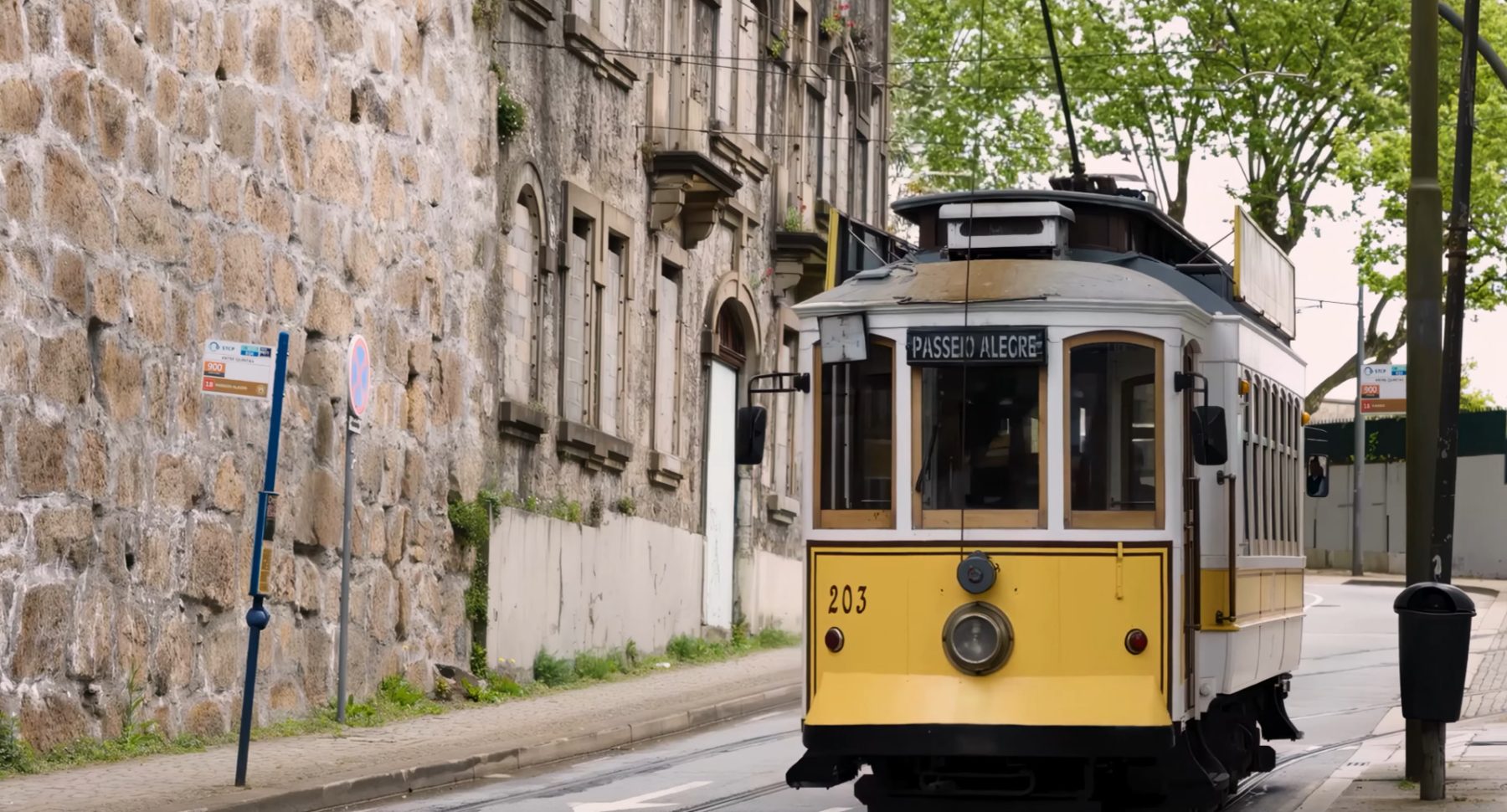
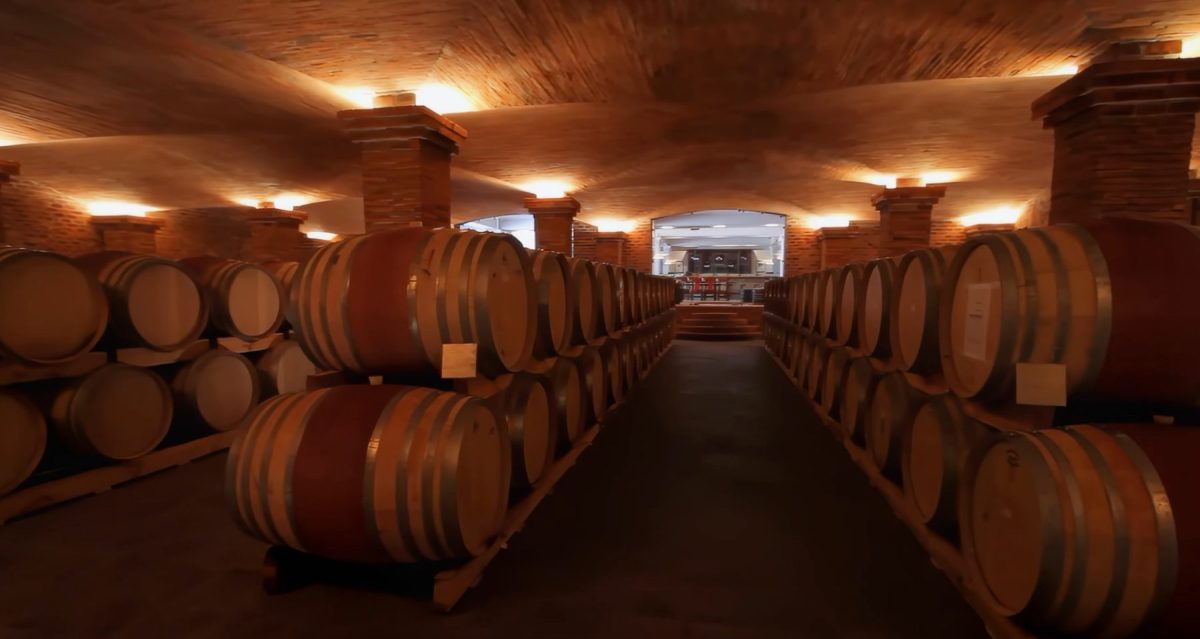
Porto lands on you fast. River air, old granite, a faint sweetness drifting out of the lodges in Vila Nova de Gaia, then that cool cellar smell once you step inside and your eyes adjust. Cross the bridge and the city stops behaving like a postcard. You get casks, steep lanes, guides who sound like they grew up around barrels, and tasting rooms that range from quietly serious to a bit over-staged.
This is also where plenty of travelers waste money. Some tours sell a fantasy version of Portuguese wine with shiny transport and very little substance. Others look expensive, then turn out to be the ones that actually respect the region: better pacing, better quintas, less dead time, fewer tourist-trap moves. We looked at the market the way a fussy wine traveler should, weighing Gaia cellar visits against full-day Douro runs from Porto and paying close attention to the details that decide whether a day works or drags: group size, tasting depth, road time, and whether the wine still feels tied to a place instead of a script.
When Porto Wine Tours Actually Work Best, and What They Really Cost
Our Methodology
We judged these tours the way we would if a smart friend asked for one booking and no excuses after. The priority was simple: real Portuguese quintas, good cellar culture, and tasting quality first, then we checked whether the transport, timing, and crowd levels still made sense once the sales language dropped away.
Schist, Heat, Elevation: Why Porto and the Douro Taste Like Two Different Stories
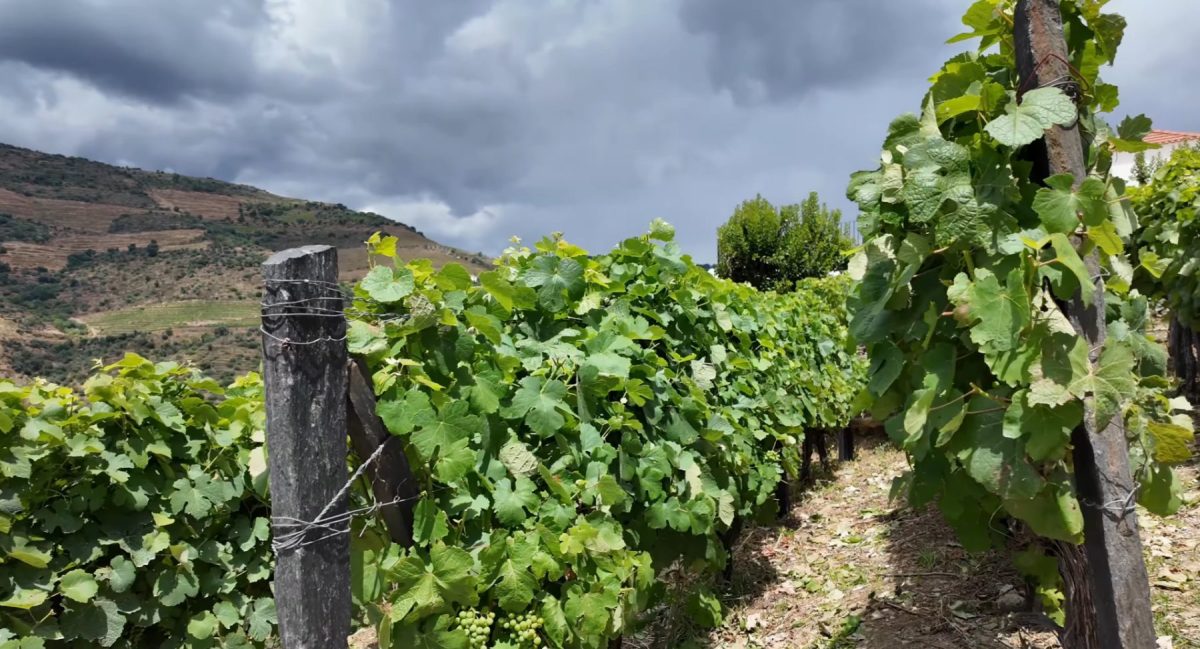
The appeal of wine tours in Porto is that you are really moving between two linked worlds, not one. In Gaia, the focus is aging, blending, cask management, and the whole export-era machinery that made Port famous. In the Douro Valley, the conversation shifts back to origin: schist soils that fracture and drain hard, slopes that trap heat, brutal summer exposure, and vineyards that force grapes like Touriga Nacional, Touriga Franca, and Tinta Roriz into smaller, more concentrated berries. You taste that pressure. Dark fruit, floral lift, firmer tannin, that dry mineral edge that good Douro wines carry without trying to charm you. The history matters here too. The Douro was demarcated in 1756, which is older than most people realize, and that early regulation still shadows the region now, from fortified Port to the still DOC Douro wines that surprise so many first-time visitors.
Then the food cuts in and changes the whole rhythm of tasting. A plate of pastéis de bacalhau does more for your palate than another speech about tradition. Same with a proper lunch in the valley. Salt, olive oil, bread, roasted meat—suddenly the wines stop floating as abstractions and start locking into place. And yes, a late francesinha back in Porto after a cellar afternoon is a reckless idea. I still think it is a good one.
Myth vs. Reality
A common misconception is that Port wine is made in Porto. It is not. The grapes come from the Douro Valley, while Porto and Vila Nova de Gaia became the historic center for aging, blending, storage, and export, which is why the lodges still matter so much to the visitor experience.
Seven Porto Wine Tours Lined Up Side by Side
| Tour Name | Best For (Traveler Profile) | Primary Region / Focus |
|---|---|---|
| Douro Valley Full-Day Classic with Boat Tour, Wine Tasting & Lunch | First-time visitors who want a complete Douro overview | Douro Valley full-day highlights |
| Living Tours Small-Group Douro Valley — 2 Wineries, Lunch and Cruise | Travelers who want the classic format with fewer people | Douro Valley small-group tasting circuit |
| Living Tours Value Douro Wine Tour — 2 Wineries, Tastings, River Cruise & Lunch | Budget-aware travelers wanting an all-in day trip | Douro Valley value-focused full day |
| Premium Douro Small-Group Wine Tour with Private Boat and Harmonized Lunch | Couples and serious wine travelers | Douro Valley premium tasting and private boat |
| Taylor’s Port Cellars Self-Guided Visit with Three-Wine Tasting | Independent travelers staying in Porto | Vila Nova de Gaia cellar experience |
| Graham’s Port Lodge Guided Tour with Premium Tastings | Travelers seeking a polished Gaia lodge visit | Vila Nova de Gaia premium Port tasting |
| Port and Douro Wine Walking Tour in Vila Nova de Gaia with 9 Tastings | Wine-curious visitors wanting variety without leaving the city | Gaia walking tour across multiple wine houses |
The Porto Wine Tour We Would Book First
1. Living Tours Small-Group Douro Valley — 2 Wineries, Lunch and Cruise
Ideal for: Travelers who want the classic Douro structure with enough space to think, taste, and ask questions without being swallowed by a crowd. Skip this if: You want a private-boat splurge or you already know a 10-hour day on winding roads will ruin your mood.
This is the one I would send most people to without much hesitation. It gets the balance right. You leave Porto, the city loosens its grip, and the valley begins to narrow around you until the vineyards take over and the slopes start looking faintly unreasonable. That first proper look matters. Terraces cut into schist, dry walls, heat pressing down from above. Suddenly the wines stop feeling like labels you have seen in airport shops and start reading as the product of physical effort.
The structure is exactly what the market promises and often fails to deliver: two wineries, six wines, lunch with DOC Douro pairings, then a one-hour rabelo-style cruise. On paper that sounds almost too neat. In practice, the smaller format saves it. A maximum of 8 guests changes the texture of the day. Less waiting, fewer performative questions, better guide contact, and a much saner way to handle Douro roads than a big coach grinding around corners.
It is still long. Be serious about that. But it is long in a way that feels earned.
“People arrive asking for Port and leave talking about dry Douro reds,” one local guide told me. “That is when they finally understand the valley.”
- Two wineries, six wines, lunch, and a one-hour cruise give the day real shape without obvious filler.
- The maximum group size of 8 makes guide interaction easier and the transport far more comfortable.
- At €125, it sits in the market’s most sensible middle ground.
- The day runs about 10 hours, so there is no room for fantasy planning around naps or extra sightseeing.
- The cruise is lovely, but it is still a short river segment rather than a full slow-moving Douro immersion.
The Remaining Tours, with the Gloss Scraped Off
2. Douro Valley Full-Day Classic with Boat Tour, Wine Tasting & Lunch
Ideal for: First-time Porto visitors who want the standard Douro day in one straightforward booking. Skip this if: You dislike rigid pacing or want to linger in one estate instead of being moved through a broader circuit.
This is the reliable crowd-pleaser. Wine, lunch, cruise, scenery, transport, done. There is no shame in that. Honestly, for a lot of travelers, competence is the whole point. They do not want to figure out trains to Pinhão, they do not want to drive after tasting, and they definitely do not want to discover too late that a “flexible” self-made Douro itinerary is actually a logistical mess.
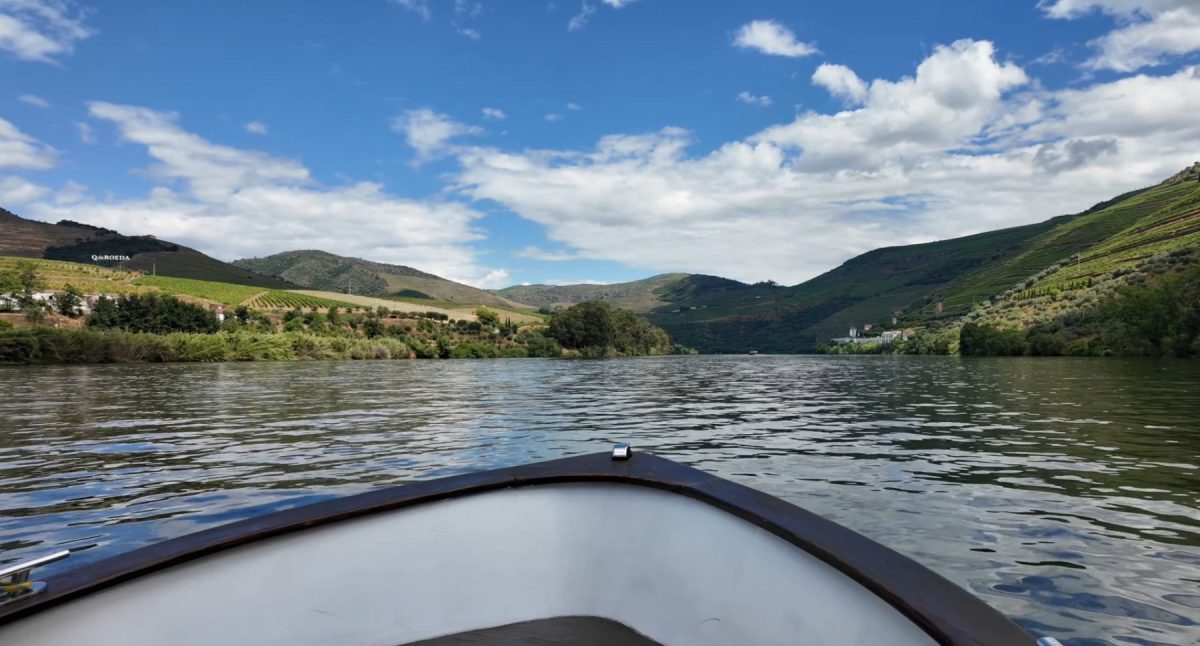
Still, these larger-format tours tend to paint in broad strokes. You see a lot, and you move fast enough that some of it stays on the surface. Good for orientation. Less good if you care about depth in the glass or you hate being herded from viewpoint to tasting room to lunch table. Some people call that efficient. I call it tolerable when the guide is strong.
- Easy all-in structure for travelers who want a complete Douro sampler with minimal planning.
- Combines tasting, lunch, and river scenery in one clean day.
- Very good fit for anyone who has zero interest in self-driving the valley.
- Large-group rhythm can flatten the charm out of the experience.
- You may finish with more photos than real recall of the wines.
3. Living Tours Value Douro Wine Tour — 2 Wineries, Tastings, River Cruise & Lunch
Ideal for: Budget-conscious travelers who still want a proper Douro day from Porto. Skip this if: You expect the cheapest full-day option to somehow feel intimate or highly curated.
At €99, this is the sensible entry point for readers who want the valley without stretching the budget. Two wineries, tastings, lunch, river cruise, full day. Clean concept. No nonsense. Porto can tempt people into overspending on aesthetics, so there is something refreshing about a tour that says, more or less, here is the framework, here is the price, now get on the van.
The trade-off is obvious. Cheaper tours usually standardize the day more aggressively, and that means less access, less flexibility, less chance of a quietly memorable encounter with a producer or guide. To be fair, not everybody wants that. Some people just want the valley in focus and their costs under control.
- €99 is a strong value for a full-day Douro format with multiple inclusions.
- Hits the core regional experiences most first-time visitors actually want.
- Works well for travelers who care more about landscape and convenience than producer nuance.
- Less exclusivity, which you will feel once the group starts moving as one unit.
- The lower price usually brings a more packaged atmosphere.
4. Premium Douro Small-Group Wine Tour with Private Boat and Harmonized Lunch
Ideal for: Couples, dedicated wine travelers, and people who want the day to feel more considered from start to finish. Skip this if: You are price-sensitive or the private-boat upgrade does nothing for you.
This is where the day starts feeling curated rather than assembled. A harmonized lunch at a family producer, a second centenary winery, around 10 wines across DOC Douro, Port, Moscatel, LBV, and Vintage styles, then a private one-hour boat in Pinhão. That last part matters more than it sounds. Shared boats are fine—well, fine if you are in the mood for chatter and phones—but a private boat changes the emotional temperature. The river gets quieter. The whole thing breathes.
The tasting range is stronger here too. You are not just touching the obvious styles and moving on. You get more context, more contrast, more of the region’s split personality between fortified wine and serious still wine. Expensive, yes. But at roughly €145 and up, the money is doing something visible.
“The river gets the photographs,” a host said over lunch, “but the schist is what writes the wine.”
- The private boat makes the river portion feel calmer and more refined.
- About 10 wines give serious tasters far more range than the standard formats.
- Best suited to travelers who want to understand both Port and DOC Douro with a bit more depth.
- The cost climbs fast once you move into this tier.
- It is still a 10-hour day from Porto, and no premium upgrade changes that fact.
5. Taylor’s Port Cellars Self-Guided Visit with Three-Wine Tasting
Ideal for: Independent travelers who want one famous lodge, a sharp Port introduction, and no full-day logistics. Skip this if: You dislike uphill walks or want a more personal guide-led experience.
Taylor’s still has weight. You feel it in the cellar presentation, the confidence of the tasting lineup, the sense that the house knows exactly why you came. Chip Dry, LBV, 10-Year-Old Tawny. No fluff. For plenty of visitors, that is enough. Frankly, if your Porto schedule is already full, a two-hour self-guided cellar visit at €25 can be one of the smarter wine decisions in town.
But self-guided means you need to bring your own curiosity, and the climb is not nothing. I have watched people arrive warm, mildly annoyed, then pretend the hill was charming. It was a hill. Still, once you are inside and the cask smell hits, the irritation drops away pretty fast.
- Classic house with a concise, well-judged three-wine tasting.
- €25 is a fair price for a polished cellar experience in Gaia.
- Easy to slot into a Porto afternoon without sacrificing a full day to transport.
- The uphill approach can feel tedious in heat or after a long morning on foot.
- Less intimate than a smaller guided tasting with real back-and-forth.
6. Graham’s Port Lodge Guided Tour with Premium Tastings
Ideal for: Travelers who want a more polished Gaia experience and care about setting as much as the glass itself. Skip this if: You want the easiest riverside stop or you are trying to keep the cellar budget close to entry-level prices.
Graham’s has presence. Hilltop position, calmer mood, a better sense of separation from the busier riverfront flow below. The guided format helps because Port can turn stale fast when someone recites facts at you like a museum audio track. Here, when it works, the guide ties the house to the broader trade history of Gaia without making it feel like homework.
The pairing formats start around €45, which is not cheap for a city cellar visit—well, not by Porto standards anyway—but I think the extra polish is visible. You are paying for atmosphere, pacing, and a tasting that feels like it knows who it is for.
- Smaller capped groups make the visit feel more controlled and less tourist-heavy.
- The setting and views add real value rather than just scenery for its own sake.
- Guide-led structure offers more context than a self-guided cellar wander.
- The uphill approach is a real drawback, not a charming quirk.
- Costs more than a standard basic cellar ticket in Gaia.
7. Port and Douro Wine Walking Tour in Vila Nova de Gaia with 9 Tastings
Ideal for: Curious tasters who want comparison, variety, and a guide without leaving Porto. Skip this if: You need vineyards in view or you are not keen on walking between stops after repeated tastings.
This one suits a specific kind of traveler. Somebody who likes contrast. Somebody who would rather taste across different houses than sit in one flagship lodge and call it a day. Three wine houses, nine tastings, three hours, and a route through Gaia that shows how Port and DOC Douro wines get framed differently depending on the producer. There is more educational value here than some people expect.
The obvious limitation is also the reason some readers will love it less. No vines. No valley roads. No long look over terraced slopes in the late afternoon. Just cellars, streets, glasses, and a lot of comparative tasting. For a tight schedule, that can be exactly right.
- Nine tastings for around €54 to €55 gives very solid comparative value.
- Excellent option for travelers who want guided context without a full-day commitment.
- Shows meaningful differences between multiple wine houses rather than one polished brand story.
- It does not give you the Douro landscape, which some travelers will miss immediately.
- Walking plus repeated pours can wear people down by the final stop.
8. Gaia Cellars or a Full Douro Day: The Decision Most Travelers Are Really Making
Ideal for: Travelers trying to choose between staying city-based or committing to the valley. Skip this if: You already know you want vineyards and there is no real debate left.
This is the split underneath the whole Porto wine-tour market. Gaia gives you cellar culture, Port history, blending, cask aging, and convenience. The Douro gives you origin, scale, vineyard context, and that first jolt of seeing just how severe the terrain really is. One is not a replacement for the other. People keep trying to make that argument, and I think it is the wrong one.
- Choose Gaia if you have half a day, want to stay in Porto, or care most about Port lodge culture.
- Choose the Douro if you want vineyards, river scenery, longer meals, and the full regional picture.
I have seen travelers insist that one serious Gaia lodge can substitute for the valley. It cannot. I have also seen people drag themselves to the Douro on too little sleep, hate the roads, and claim the region is overrated. Also not true. Match the tour to the day you are actually capable of having.
- Gaia tours are easy, efficient, and strong on Port education.
- Douro tours reveal the vineyard landscape that explains the wines in the first place.
- Gaia cannot deliver the physical vineyard experience no matter how good the cellar is.
- The Douro requires time, stamina, and some tolerance for winding roads.
Field Notes That Actually Matter Once You Start Booking
Insider Insight
Book Douro tours based on road tolerance, not just ratings. The valley roads twist, the day is long, and even an excellent itinerary can feel punishing if someone in your group gets motion sick, which is why smaller minivan formats often beat larger coaches in real-world comfort. And for Gaia cellar afternoons, keep a small taxi budget ready, because trying to save a few euros on the climbs to Taylor’s or Graham’s is usually false economy.
One more thing. Do not stack tastings like you are trying to win something. Many Douro day trips already include lunch, DOC wines, and multiple Ports. Add a heavy dinner and another independent cellar booking back in Porto, and your palate starts going flat right when you should be paying attention. I have done it. Bad idea.
- Bring comfortable shoes and a light layer for cooler cellar interiors in Gaia and the Douro.
- Keep lunch before a major tasting moderate if the day already includes several pours and fortified wines.
Questions Worth Settling Before You Book a Porto Wine Tour
Do I really need to go to the Douro Valley, or is Gaia enough?
Gaia is enough for a strong Port-focused half day if what you want is cellar history, lodge culture, and a structured tasting without long travel. The Douro is the better choice if you want vineyards, river scenery, and a clearer sense of where the wines actually begin.
How long does it really take to reach the Douro from Porto?
By road to Peso da Régua, about 1 hour 15 minutes is the standard figure. By train to Pinhão, expect about 2 hours 41 minutes. A classic river cruise from Porto to Pinhão turns into a full-day experience, usually departing at 08:30, reaching Pinhão around 17:45, and returning to Porto by bus at about 21:30.
Are these tours mainly about Port, or will I taste still wines too?
Many Gaia cellar visits stay heavily focused on Port. Full-day Douro tours usually widen the tasting to include both Port and DOC Douro still wines, and the better premium options add styles such as Moscatel, LBV, and Vintage Port.
What is a realistic price for a good Porto wine tour?
A basic cellar visit usually sits around €14 to €17. Premium Gaia tours such as Taylor’s or Graham’s usually fall between €25 and €45. A solid full-day Douro trip from Porto generally starts at €99 and rises toward €145+ for smaller groups, private-boat upgrades, or wider tasting ranges.
When should I go if I want atmosphere without the worst crowd pressure?
May to June and September are the strongest all-round months. September to early October adds harvest energy and vineyard color, which is fantastic, though demand rises for the better tours. Late October through April is quieter, cooler, and less dramatic in the vineyards.
What to Book, What to Skip, and Where Your Palate Might Wander Next
If you want the clean answer, book the small-group Douro day with two wineries, lunch, and cruise. It gives you enough vineyard context, enough tasting depth, and enough human scale to feel like a wine day instead of a transport exercise with alcohol attached. If you are staying in Porto and guarding your time, pick one of the better Gaia lodges and build the rest of the day around it. Then keep going. Porto has a way of sharpening your palate for other regions, whether that means mineral whites elsewhere in Europe or volcanic vineyard landscapes farther east, where the wines also carry the ground they came from.