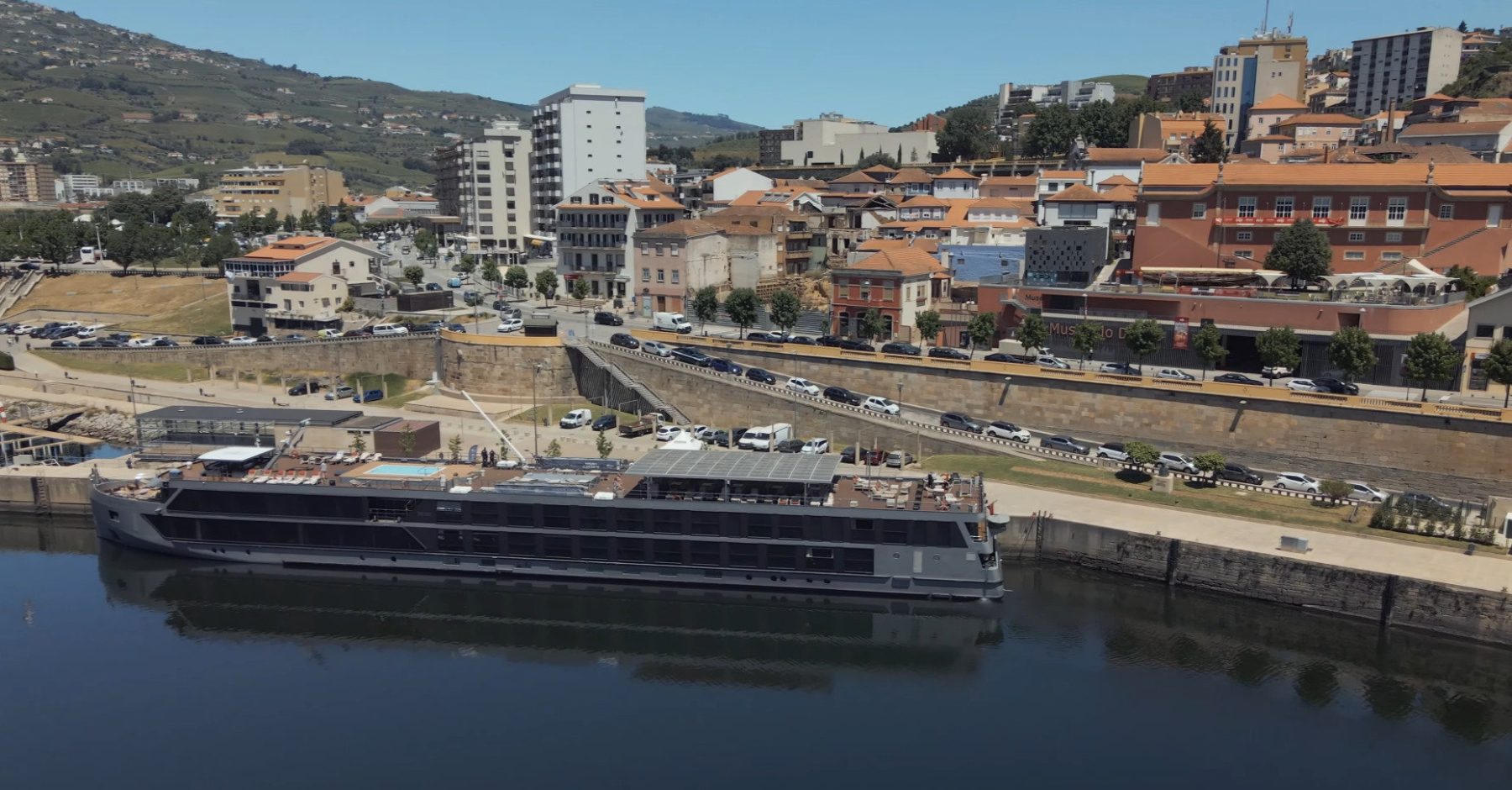
The Douro does not ease you in. It grabs you by the shoulders with stone, heat, river glare, and the dry smell of vineyard dust baked into schist. Porto begins the morning in blue tiles and café steam; by late morning, the road has pulled you into a valley where terraces cut the hillsides like old knife marks and the water below Pinhão moves with maddening calm.
This is where the Douro Valley boat wine tour market gets messy. Plenty of visitors think they are buying a grand river cruise with legendary Port cellars, then end up with a short boat loop, a thin tasting, and a lunch that could have been served beside any bus park in southern Europe. The better tours do something more useful. They let the river set the scene, then bring you into proper quintas, cool cellars, dry DOC Douro reds, and Port poured with context rather than ceremony for ceremony’s sake.
Douro Valley Boat Wine Tours in Plain Terms: Months, Prices, and the Real Shape of the Day
Our Methodology
We judged these Douro Valley river cruise and Port wine cellar formats by the parts that actually matter on the ground: estate access, tasting substance, lunch quality, transport rhythm, and whether the boat ride earned its place. I gave more weight to real Portuguese quintas, smaller-group pacing, and transparent inclusions than to shiny itineraries built around one rushed photo stop and a glass of ruby Port.
Schist, Heat, and Touriga Nacional: The Douro’s Flavor Starts in the Rock
The Alto Douro Wine Region is not gentle wine country. Vines cling to extremely steep schist slopes, where poor soil, hard light, and dry heat make the plant work for every berry. That struggle shows up in the glass. Touriga Nacional brings structure, dark fruit, violets, and grip; Tinta Roriz adds spice, red-fruit tension, and a firmer edge. The old Port narrative still runs through the valley like a deep current, but the best tours now treat DOC Douro table wines as more than a warm-up act.
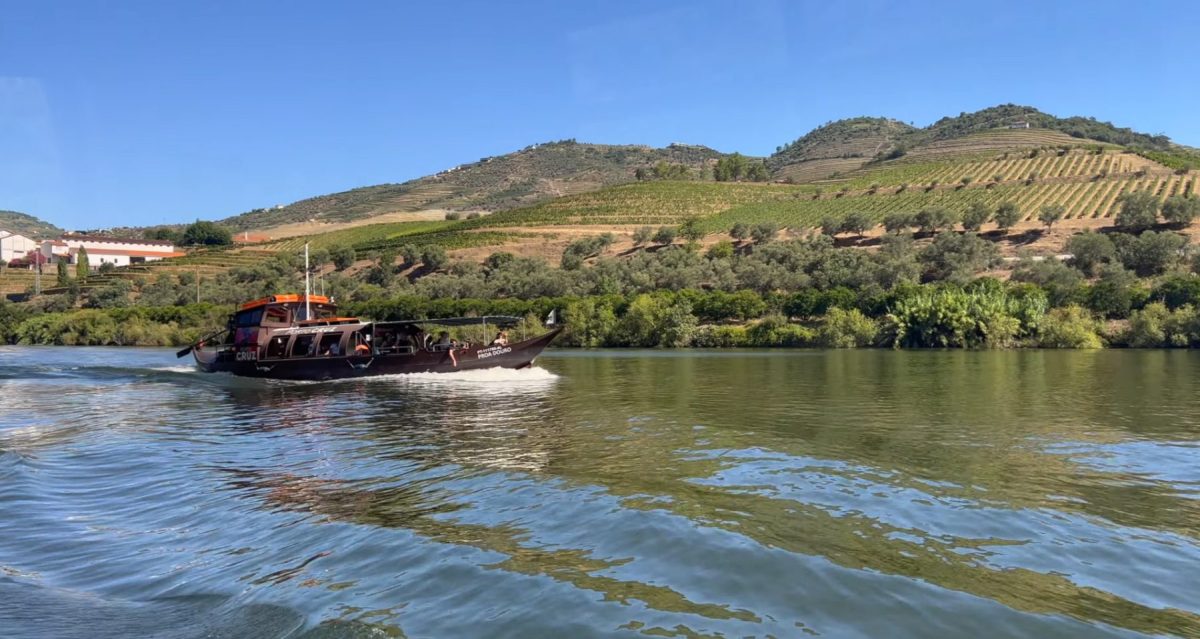
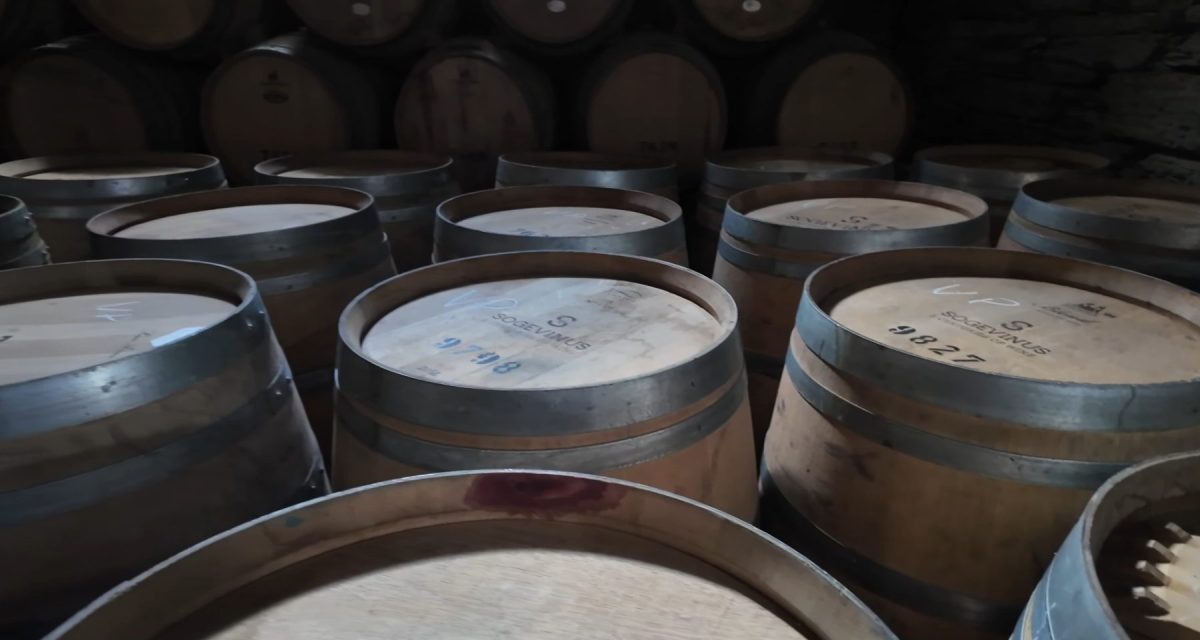
When we walked through the vines near Pinhão, the ground had that scorched mineral smell I always associate with the Douro after midday. Step into a cellar and the temperature drops fast: damp stone, old wood, a little spirit lift from barrels, and that quiet hush you only get in places where wine has been resting longer than the visitor has been planning the trip. This is the difference between a proper quinta visit and a tasting counter with a river poster behind it.
“Aqui a vinha sofre, mas é daí que nasce o vinho,” a Douro winemaker told us — here the vine suffers, but that is where the wine is born.
Myth vs. Reality
A common misconception is that a Douro Valley wine tour is just a sweet Port tasting day. The reality is sharper: good tours now pair Port with DOC Douro dry wines, and the stronger small-group or premium operators build the day around boutique wineries, table wines, olive oil, honey, food pairings, or a family-estate lunch.
Seven Douro Valley River Cruise and Port Wine Cellar Tours Compared Without the Brochure Fog
| Tour Name | Best For (Traveler Profile) | Primary Region / Focus |
|---|---|---|
| Porto Small-Group Douro Valley Tour with 2 Wineries, Lunch, and 50-Minute Rabelo Cruise | First-time Douro visitors who want the classic full-day formula without managing transport, tastings, lunch, or boat tickets | Porto to Pinhão, 2 wineries, lunch, and short rabelo cruise |
| Boutique Douro Valley Wine Tour with Home-Cooked Lunch and 1-Hour Pinhão Cruise | Travelers who care about smaller producers, family-run wineries, local lunch, and a more personal rhythm | Boutique quintas, home-style lunch, Pinhão river cruise |
| Premium Douro Valley Small-Group Wine Day with Private Boat, Fire-Cooked Lunch, and 10–11 Tastings | Wine-focused couples, food travelers, and higher-budget guests who want a deeper tasting arc | Premium tasting depth, private boat element, curated lunch |
| Budget Shared Douro Valley Tour with Wine Tasting, Lunch, Viewpoints, and Boat Ride | Price-sensitive travelers who want the Douro essentials from Porto | Shared Porto day trip with viewpoints, tasting, lunch, and short boat ride |
| Private Douro Valley Tour with 2 Wine Estates, Lunch, Viewpoints, and Optional 1-Hour Cruise | Families, older travelers, small groups, and guests who want flexible door-to-door timing | Private Porto-based tour with estates, lunch, viewpoints, and optional cruise |
| Régua or Pinhão Regional-Start Wine Tour with Rabelo Boat, Family Lunch, and Local Driver | Travelers staying overnight in the Douro or arriving by train | Local valley touring from Peso da Régua or Pinhão |
| Cruise-Heavy Régua–Porto Douro River Day with Lunch Onboard and Light Wine Context | Travelers who want river scenery, locks, and slow travel more than detailed winery visits | Long river cruise with lunch onboard and lighter wine education |
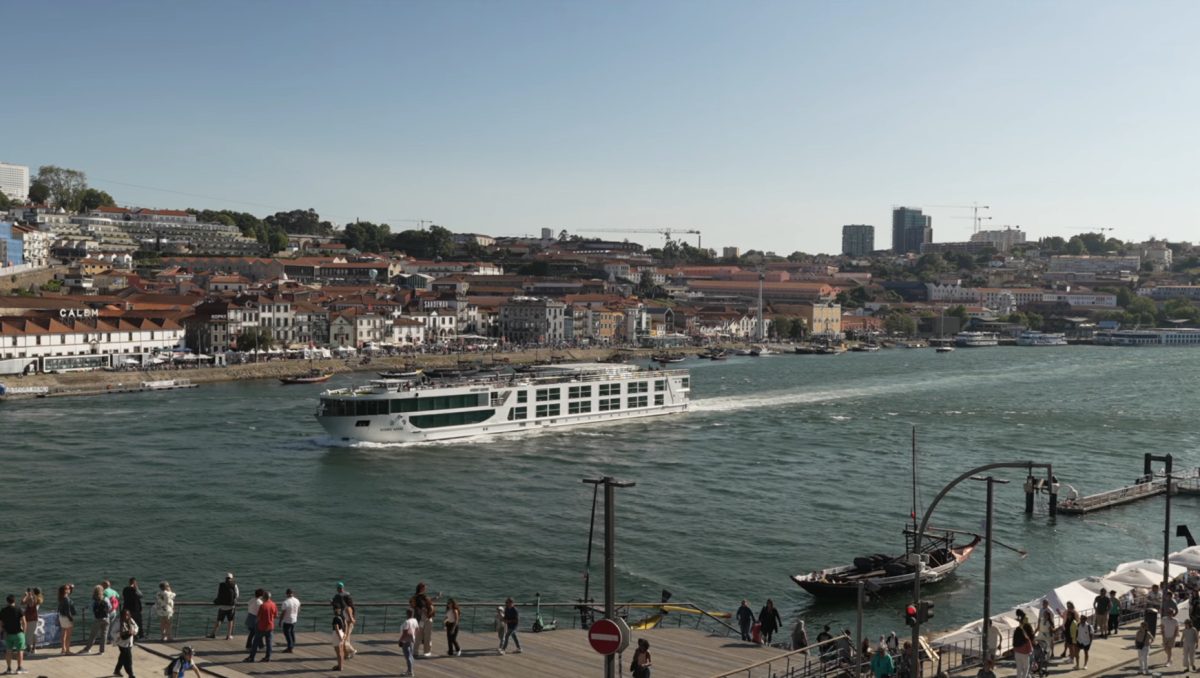
Best Overall Douro Valley Boat Wine Tour From Porto
1. Porto Small-Group Douro Valley Tour with 2 Wineries, Lunch, and 50-Minute Rabelo Cruise
Ideal for: First-time Douro visitors who want the classic full-day formula without planning transport, tastings, lunch, or the Pinhão boat segment themselves. Skip this if: You dislike long van days, because the tour usually means 3.5 to 4 hours total road time between Porto and the valley.
This is the version I would put in front of most first-time visitors. It usually begins with an early Porto pickup, then a 1 hour 45 minute to 2 hour drive toward Pinhão, the kind of drive where the road gradually stops feeling like transit and starts becoming part of the tasting. A good guide uses that time well, drawing a clean line between Port and DOC Douro rather than mumbling through a generic wine speech.
The 50-minute rabelo cruise works because it does not pretend to be a grand expedition. It gives you the essential image: terraces dropping toward the water, old quintas above the river, sun bouncing off slopes that look almost unreasonable to farm. Then the cellars do the talking. Two winery stops, lunch, dry reds, Port, and enough estate context to make the day feel anchored rather than decorative.
“The river shows you the valley first,” one guide in Pinhão told us. “The cellar explains it after.”
- Includes both Port and DOC Douro wine tastings, not only sweet fortified wine.
- Small group cap, often around 8 guests, improves pickup timing and guide attention.
- The 50-minute rabelo cruise gives a strong visual sense of the terraced valley without turning the day into a full riverboat transfer.
- The day still involves a long return drive after wine and lunch.
- The boat segment is scenic but short, so travelers expecting a full Douro river cruise may feel it is only a highlight reel.
Six More Douro Valley Wine and Boat Tours Worth Considering
2. Boutique Douro Valley Wine Tour with Home-Cooked Lunch and 1-Hour Pinhão Cruise
Ideal for: Travelers who value smaller producers, family-run wineries, local lunch, and more personality than a mass-market coach format. Skip this if: You want famous brand-name Port houses only, because boutique tours often prioritize smaller estates over big lodge names.
This is the format that feels most like being invited rather than processed. The day usually brings 1 or 2 boutique wineries, a home-style lunch, and a 1-hour cruise from Pinhão. It gives up the comfort of big-label recognition, then gives you something better: a family bottle opened beside lunch, someone talking about the vindima without reciting a script, the smell of soup and grilled meat slipping into the tasting room.
The pace feels softer, though the day is still full. You still have the Porto-to-Douro transfer, the boat segment, and the return drive. The difference sits in the middle of the day, where family-run quintas and food carry more weight than viewpoint choreography. Honestly, this is often where the Douro starts feeling like a lived-in wine region, not a scenic backdrop.
- Better chance of tasting wines from smaller producers rather than only large commercial labels.
- Home-cooked or estate-style lunch feels more regional than a generic restaurant stop.
- Strong fit for English-speaking travelers because several listings emphasize high satisfaction among English-language reviewers.
- Boutique estates can involve uneven ground, steps, gravel, and hillside paths.
- Premium small-group seats can disappear quickly in September and October.
3. Premium Douro Valley Small-Group Wine Day with Private Boat, Fire-Cooked Lunch, and 10–11 Tastings
Ideal for: Wine-focused couples, food travelers, and higher-budget visitors who want fewer guests, deeper tasting range, and a more curated lunch. Skip this if: You are a light drinker or traveling with someone who does not care about wine, because the value is concentrated in tastings, producer access, and food pairing.
This is the serious option. The strongest versions combine a small group, an old family winery or smaller producers, Port and DOC Douro tastings, a private or semi-private boat ride, and lunch that tastes cooked, not assembled. When a tour promises 10 or 11 wines, the appeal is not just quantity; it is the sequence: dry red beside fortified ruby, tawny warmth after table-wine tannin, acidity doing more work than expected.
There is more room to think here. Fewer elbows. Better glassware. More time to understand why schist, heat, altitude, and old vines can produce wines that feel muscular without losing aroma. I think the price only makes sense if you actually want that level of detail—otherwise you are paying for nuance you may not notice.
- More serious tasting volume, often including both dry Douro wines and Port categories.
- Private boat element reduces the crowded feel of standard rabelo cruises.
- Lunch quality is usually a major selling point rather than a filler stop.
- Higher price makes poor weather more painful if the cruise or viewpoints feel compromised.
- Not ideal before an early flight or evening dinner reservation because return timing can slide with traffic.
4. Budget Shared Douro Valley Tour with Wine Tasting, Lunch, Viewpoints, and Boat Ride
Ideal for: Price-sensitive travelers who want the Douro essentials from Porto at the lowest realistic full-day price. Skip this if: You need quiet tastings or flexible pacing, because cheaper shared tours often move larger groups through fixed stops.
At €79–€110 per adult, this format gives you the recognizable Douro checklist: Porto departure, viewpoints, wine tasting, lunch, and a short boat ride. It can be completely fine. It can also feel like a timetable with wine poured into the gaps.
The value depends on your tolerance for group mechanics. If you want scenery, a simple lunch, a few glasses, and no rental-car stress, it does the job. If you want cellar depth, proper conversation, or a tasting that moves beyond the obvious, pay more. Cheap Douro tours rarely hide their compromises for long.
- Lowest practical price band for a complete wine-lunch-cruise Douro day.
- Good for first-time visitors who mainly want scenery and a simple tasting structure.
- Usually covers the must-have components without needing rental car logistics.
- Tastings can feel basic if the group is large.
- Lunch quality and seating atmosphere vary more than on boutique or premium tours.
5. Private Douro Valley Tour with 2 Wine Estates, Lunch, Viewpoints, and Optional 1-Hour Cruise
Ideal for: Families, older travelers, small friend groups, and travelers who want door-to-door timing, photo stops, and fewer compromises. Skip this if: You are booking solo on a tight budget, because private Porto-based Douro tours can cost several times more than shared tours.
The private format buys control. Hotel pickup, a private car or van, 2 estates, a local lunch, viewpoints, and often an optional 1-hour Douro cruise. The experience is less about discovery and more about removing friction: no slow pickup chain, fewer strangers, easier mobility breaks, better timing when the light hits the terraces properly.
Read the inclusions like a contract, not a poem. Some private tours look reasonable at first glance, then place the boat ride or lunch outside the base price. For 1 or 2 people, the per-person cost can bite. For a small group, the maths starts behaving.
- Best option for travelers who want to avoid crowded tasting rooms and rigid pickup chains.
- Easier to adapt around lunch preferences, mobility, and photography.
- Better fit for combining well-known estates with smaller producers.
- The per-person price can be high for 1–2 travelers.
- Some optional cruise versions charge lunch or cruise components separately, so inclusions must be checked before booking.
6. Régua or Pinhão Regional-Start Wine Tour with Rabelo Boat, Family Lunch, and Local Driver
Ideal for: Travelers staying overnight in the Douro or arriving by train who do not want to waste half the tour day driving from Porto. Skip this if: You are based in Porto and want the simplest one-click logistics, because you must manage the train or overnight stay yourself.
This is the cleverer format for travelers already inside the valley. Meeting at Peso da Régua station or Pinhão cuts out a chunk of highway time and lets the day belong to the Douro itself. You get more estate time, more flexible viewpoints, and a better chance of catching the valley before it becomes a procession of vans.
The catch is timing. Porto to Pinhão by train usually takes around 2 hours 40 minutes to 3 hours, and a late arrival can chew through winery appointments fast. Done well, though, this pairing of train, rabelo, local driver, and family lunch feels closer to how I prefer to travel in Portuguese wine regions: fewer moving parts once you are actually there.
- Less dead time than Porto-based day trips.
- Better access to Pinhão-area estates and viewpoints.
- Good option for combining train travel with wine touring.
- Train timing matters; late arrival can cut into winery appointments.
- Regional taxis and private transfers can be expensive if booked last-minute.
7. Cruise-Heavy Régua–Porto Douro River Day with Lunch Onboard and Light Wine Context
Ideal for: Travelers who care more about river scenery, locks, and slow travel than deep winery visits. Skip this if: Your priority is serious wine tasting, because many cruise-heavy programs include lunch and scenery but limited estate time.
This is not really a wine tour in the same sense. It is a river day. You move between Porto and Régua by boat in one direction and bus or train in the other, often with lunch onboard, over 10 to 11 hours. Some Porto-to-Pinhão cruise formats push toward 12 hours, which is a lot of water time even for people who love the Douro.
For scenery-first travelers, the slowness can work: locks, banks sliding past, the river doing its old commercial route in a more comfortable costume. For wine travelers, it may feel too passive. Expect panorama, not cellar depth.
- Strongest option for travelers who want maximum time on the Douro River.
- Lunch onboard keeps logistics simple.
- Good for scenery-first travelers who do not want winding vineyard-road transfers all day.
- Wine education is usually thinner than on 2-winery tours.
- Long cruise days can feel repetitive for travelers expecting active estate visits.
Douro Valley Logistics: Shoes, Lunch Details, and the Boat-Ride Trap
Insider Insight
Treat “boat tour included” as a time-and-location question, not just an inclusion. Many wine tours include a 50-minute or 1-hour Pinhão rabelo cruise, while cruise-heavy tours may spend 10 to 12 hours moving between Porto, Régua, or Pinhão by boat and transfer; those are completely different days wearing similar marketing language.
Pack for glare, gravel, and cellar chill in the same itinerary. The Douro can give you punishing sun at a viewpoint, loose stone underfoot at a quinta, then a cool floor in a barrel room where city sandals suddenly look like a bad decision.
- Wear closed or secure shoes for schist, gravel, cellar floors, stone steps, and steep vineyard paths.
- Carry water, sunglasses, and sun protection in July, August, September, and warm October afternoons.
- Ask whether lunch is at a winery, a restaurant, or onboard, because that single detail changes the value of the tour.
- Check whether the cruise is included, optional, or paid separately before booking a private tour.
FAQ: Booking a Douro Valley River Cruise and Port Wine Cellars Tour
Is the Douro Valley boat ride usually a full river cruise?
No. On most wine-focused Porto day tours, the boat ride is usually a 50-minute or 1-hour rabelo cruise from Pinhão. Full river-cruise products from Porto or Régua are separate, longer, and usually less focused on winery visits.
Do these tours visit Port wine cellars in Porto or Vila Nova de Gaia?
Usually no. Most Douro Valley day tours visit wine estates or cellars in the Douro Valley, not the Vila Nova de Gaia Port lodges. Gaia cellar tours are normally separate Porto-area experiences, while Douro tours focus on estates around Régua, Pinhão, and nearby vineyard zones.
Is Pinhão better than Régua for the boat segment?
For short scenic wine-tour cruises, Pinhão is usually stronger because many rabelo cruises depart there and pass close to terraced vineyards and historic estates such as Bonfim, Carvalhas, Ventozelo, and Roncão.
Can I do the Douro Valley by train instead of booking a tour?
Yes, but it becomes a different kind of day. Porto to Pinhão by train usually takes around 2 hours 40 minutes to 3 hours, so independent travelers need to coordinate train times, winery reservations, lunch, and boat tickets; tours remove that friction but cost more.
What is the best month for a Douro wine-and-boat tour?
September is the strongest wine month because harvest activity is usually at its peak, while October brings autumn color and cooler conditions. May and June suit travelers who want green scenery and easier temperatures before the summer heat settles hard into the valley.
Final Verdict: Pick the Douro Tour That Matches How You Actually Travel
The best Douro Valley river cruise and Port wine cellars tour is not automatically the most expensive one. It is the one with the right balance: enough time in the van, enough time on the river, enough time in real quintas, and enough wine context to make Port, Touriga Nacional, Tinta Roriz, and schist feel connected rather than decorative. Start with the small-group 2-winery tour if this is your first Douro visit. Upgrade to boutique or premium if lunch, cellar atmosphere, and tasting depth matter more than saving €40. Save the long cruise-heavy day for when the river itself is the point. After the Douro, the natural trail runs toward mineral-driven whites in northern Portugal, island vineyards shaped by volcanic soils, or the high-altitude reds that make a glass feel like geography.