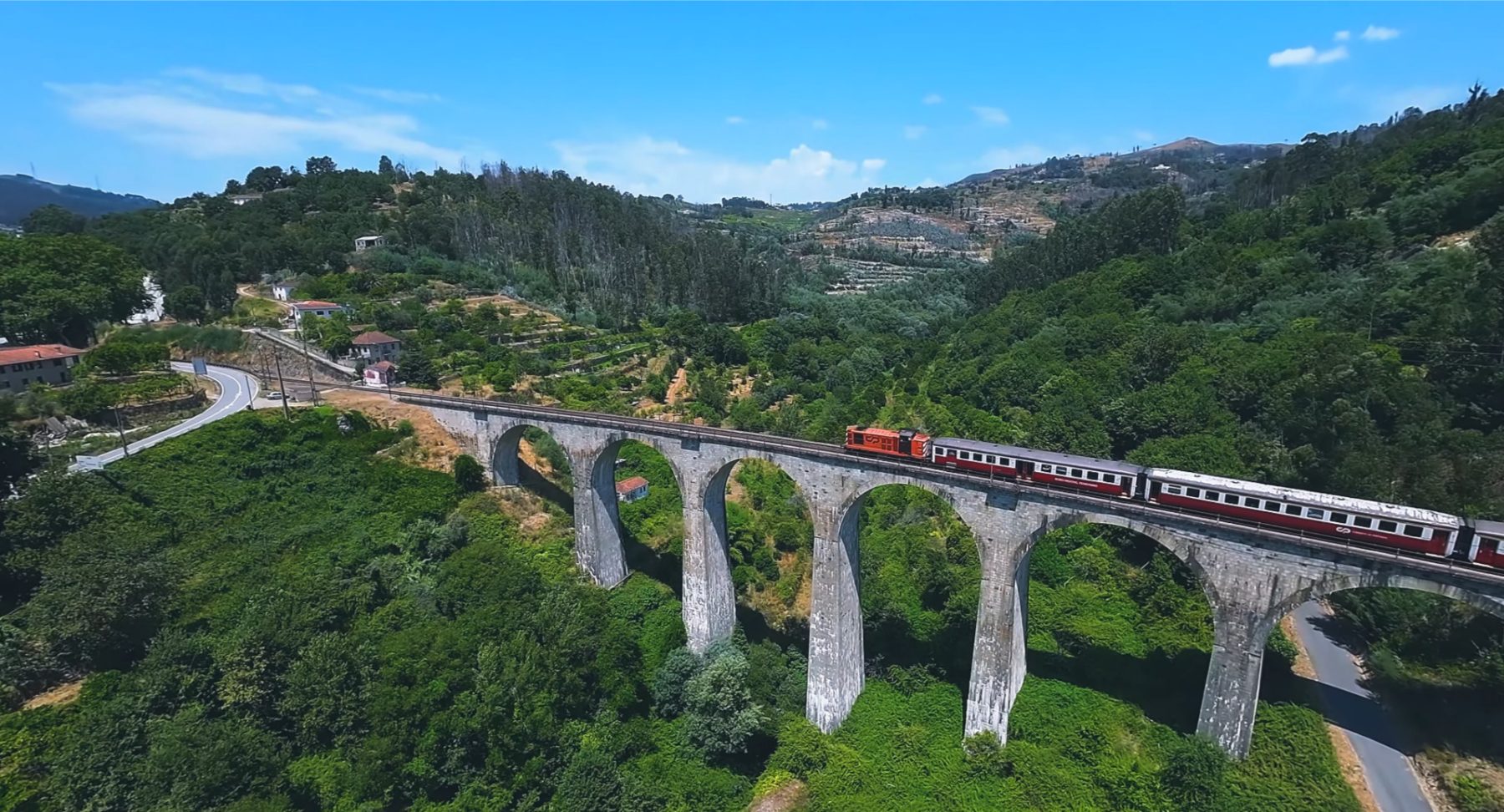
The Douro starts before the first pour. It begins on Porto’s station platforms, where people hover over paper cups of coffee, check the departure board twice, then pretend they are not nervous about catching the right train to Pinhão. The city falls away in pieces. The river appears, slips out of sight, then returns broader and slower, as if it has decided to take over the day.
A Douro Valley wine tour by train can be one of the most satisfying ways to taste northern Portugal, but only when the planning is tight. The romantic version sounds easy: Porto to Pinhão, azulejo panels, a quinta tasting, lunch, perhaps a rabelo boat ride, then the evening train back. The lived version has CP schedules, tasting slots, hot platforms, thin taxi supply, and the small but painful truth that the Douro will not rearrange itself because your lunch took 25 minutes too long.
Douro by Rail in Practical Terms: Best Months, Train Times, and Real Costs
Our Methodology
We judged Douro train-based wine tours by the parts that decide the day in real life: rail timing, winery access, lunch placement, boat compatibility, and whether the tasting belonged to a working quinta instead of a polished sales room. Routes that used the train as part of the wine-country story scored higher than trips that simply stapled a short rail segment onto a standard valley outing.
Schist Slopes, Azulejo Stations, and the Cima Corgo Wine Identity
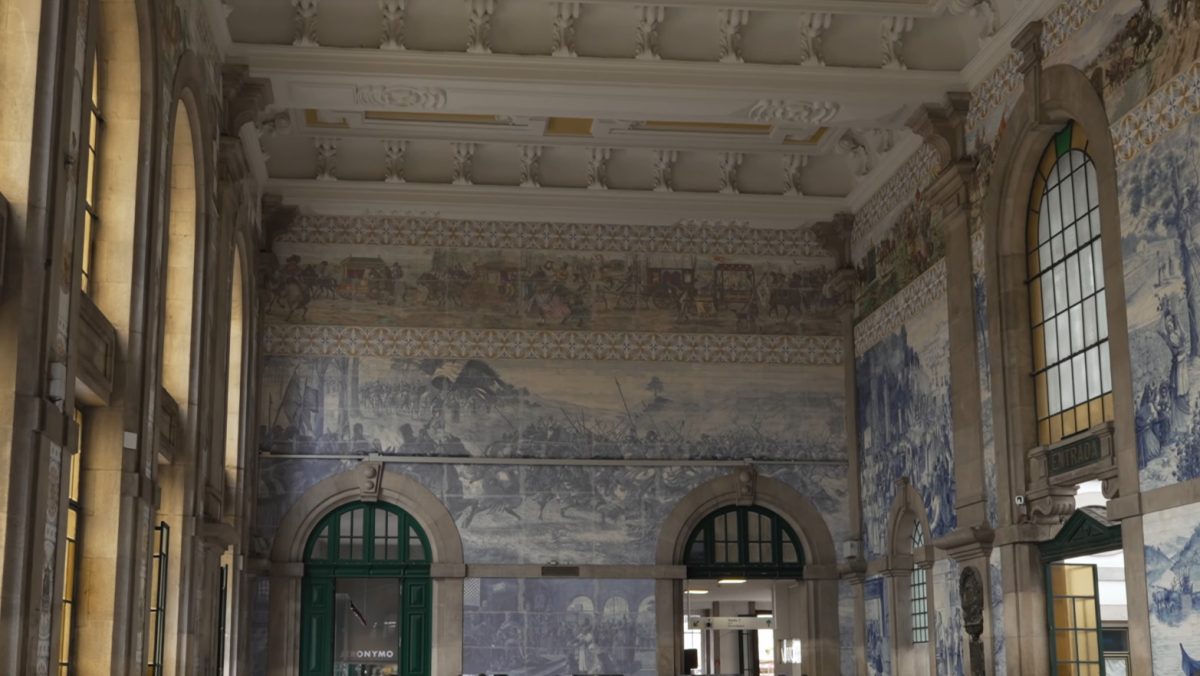
The strongest rail-based Douro wine days gather around Pinhão and the Cima Corgo, where the line runs close to the river and the valley tightens into the version most travelers have in their head before arriving. Schist soils, dry heat, steep terraces, and punishing light give the grapes density rather than softness. Touriga Nacional brings dark fruit, violets, grip, and a kind of serious backbone; Tinta Roriz adds spice, red-fruit tension, and a firmer line through the blend. The route itself carries the history: Port once moved through this corridor by river and rail toward Vila Nova de Gaia, and now the traveler follows those same channels back toward the vines. Pinhão’s station tiles are not decoration. They are logistics painted in blue.
When we stepped off the train in Pinhão, the air had that baked-stone smell the Douro gets in warm months, dry and a little metallic. Inside a cellar, everything shifted: damp schist, old barrels, cool air on the wrist, a faint spirit lift rising from wood. Taste a dry Douro red after that and it becomes hard to keep calling this only Port country.
“O comboio mostra o rio devagar; a vinha explica o resto,” a Douro winemaker told us — the train shows the river slowly; the vineyard explains the rest.
Myth vs. Reality
A common misconception is that a Douro Valley wine tour by train is automatically easier and cheaper than a guided tour from Porto. The train fare can be low, yes, but a proper wine day still needs CP train schedules, winery reservations, lunch, boat tickets, local transfers, and return timing to line up cleanly; guided rail-and-wine tours cost more because they absorb those fragile moving parts.
Seven Douro Valley Wine Tour by Train Formats Compared
| Tour Name | Best For (Traveler Profile) | Primary Region / Focus |
|---|---|---|
| Porto to Pinhão Independent Douro Wine Day by Train with Quinta do Bomfim Tasting | Independent travelers who want the most authentic rail-first experience and can manage reservations | Porto to Pinhão, station azulejos, Quinta do Bomfim, optional rabelo cruise |
| Porto Full-Day Boat, Train, and Lunch Tour Through the Douro Valley | Travelers who want rail, river, and lunch bundled into one guided day | Scenic rail-and-river Douro experience with lunch |
| From Porto Douro Valley with Train, Wine Tasting, and Rabelo Boat Cruise | Budget-conscious travelers who want a guided train-themed Douro experience | Porto departure, train segment, wine tasting, rabelo cruise |
| Pinhão Douro River Cruise with Wine and Train Ride to Tua | Travelers already in Pinhão or arriving by train who want a compact rail-and-river loop | Pinhão to Tua river-and-train scenery with light wine inclusion |
| Régua: Wine Tasting at a Winery, Traditional Lunch, River Cruise, and Train | Travelers staying near Peso da Régua who want wine, food, boat, and train in one structured day | Middle Douro logistics from Régua with winery, lunch, cruise, and rail |
| Douro Historic Train from Régua to Tua with Regional Sweets and Port | Rail enthusiasts, slow-travel visitors, families, and heritage-train travelers | Historic train between Régua, Pinhão, and Tua with Port and regional sweets |
| Private Douro Experience with Boat Cruise, Train Ride, Vineyard Tasting, and Riverside Lunch | Couples, families, and private groups who want train romance without DIY uncertainty | Private vehicle, train segment, boat cruise, vineyard tasting, and lunch |
Best Overall: The Independent Porto to Pinhão Wine Day by Train
1. Porto to Pinhão Independent Douro Wine Day by Train with Quinta do Bomfim Tasting
Ideal for: Independent travelers who want the most authentic rail-first experience, can book their own train tickets, and are comfortable reserving tastings directly. Skip this if: You need a guide managing every detail, because missed train connections or late tasting arrivals can damage the whole day.
This is the version I like most because the train is not decoration. The day begins at Porto São Bento or Campanhã, then follows the Douro Line to Pinhão in about 2 hours 20 minutes to 2 hours 41 minutes, depending on the service. The route refuses to hurry. Good. You watch the river gather weight, the hillsides sharpen, and the vineyards shift from scenery into labor.
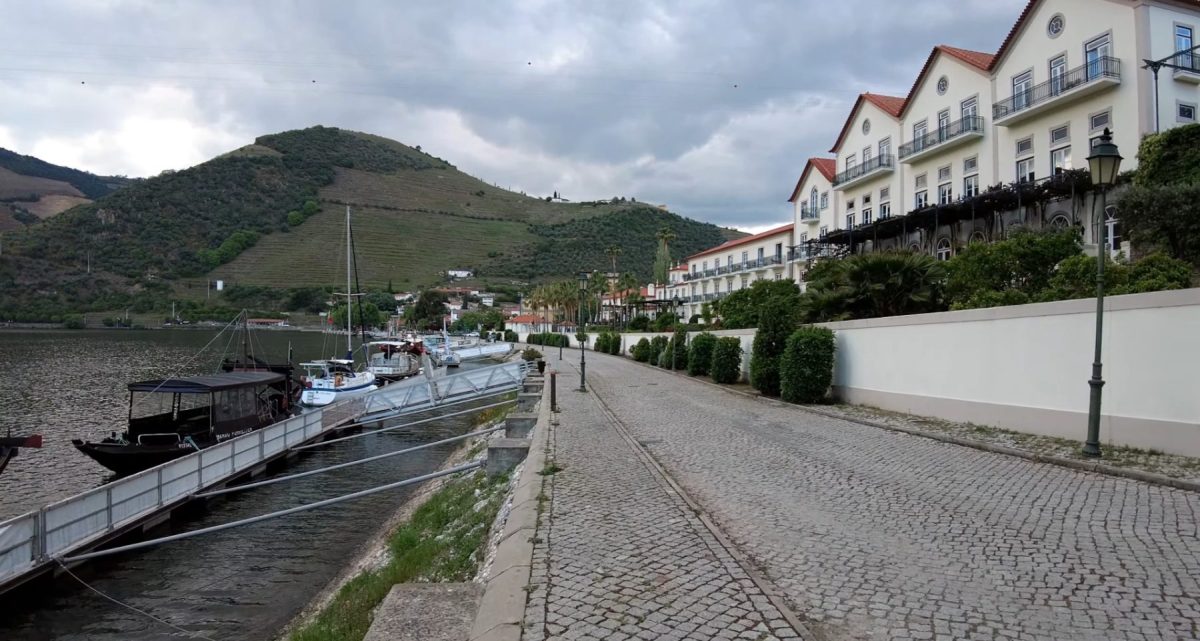
On arrival, start with Pinhão Railway Station, where the azulejo panels show harvest scenes, grape transport, and old Douro life across 24 panels and 3,024 hand-painted tiles. Then walk or take a short transfer to a tasting such as Quinta do Bomfim, where the classic tour and tasting is listed from €30 per adult and lasts 90 minutes. Add lunch in Pinhão and a 50-minute or 1-hour rabelo cruise only if the return train leaves enough slack. Do not turn this into a race.
“Do not rush Pinhão,” a local guide told us near the station. “The train brings you here slowly for a reason.”
- Strongest fit for travelers who specifically want the Douro train line to be the core of the day.
- Easy access to Pinhão’s railway station tiles and nearby riverfront without needing a rental car.
- Quinta do Bomfim is close enough to Pinhão to make an independent wine visit realistic.
- Return train timing can force awkward choices between lunch, boat ride, and a second tasting.
- Local taxis and estate transfers can be limited or expensive if booked casually on the day.
Guided Rail, River, and Heritage Train Options Across the Douro
2. Porto Full-Day Boat, Train, and Lunch Tour Through the Douro Valley
Ideal for: Travelers who want rail, river, and lunch bundled into one guided day without building the itinerary manually. Skip this if: You want deep winery education, because some rail-and-sail formats prioritize scenery and logistics over serious cellar time.
This style suits travelers who want the Douro’s two great transport moods without handling the mechanics themselves. Current versions sit around 7 hours and price from about $136, roughly €126, with train, boat, and lunch folded into the day. The value is not tasting depth. It is ease.
The mood is scenery-led: rail windows, river movement, lunch, and enough structure to avoid the classic DIY error of missing a boat because the train arrived too late. For non-drivers, that matters. For serious wine drinkers, it may feel thin in the cellar.
- Bundles the two most scenic Douro transport modes: river and railway.
- Removes the biggest DIY problem, which is matching boat times with train times.
- Better for non-drivers who still want a structured Douro day.
- Less suitable for wine-focused travelers who want two estate visits and technical tastings.
- The experience can feel more like a scenic transport package than a sommelier-led wine tour.
3. From Porto Douro Valley with Train, Wine Tasting, and Rabelo Boat Cruise
Ideal for: Budget-conscious travelers who want a guided train-themed Douro experience with wine tasting and boat scenery. Skip this if: The low starting price is your only filter, because budget rail-themed tours may involve tighter pacing and simpler tastings.
This is the accessible guided option, with one operator listing the format from €49 and a 10-hour duration. It packages Porto departure, a train experience, wine tasting, and a rabelo boat segment into a day that feels broad rather than deep. The price is the hook. No mystery there.
For travelers who want the railway story, the river image, and a basic glass in hand, it can be a workable compromise. I would check the tasting details before booking, because at this price the gap between “wine experience” and “quick pour” can be wide.
- Very accessible starting price for a rail-themed Douro day.
- Combines wine tasting, train, and rabelo cruise in one package.
- Easier than self-guiding for travelers unfamiliar with CP train schedules.
- Likely less intimate than boutique or private wine tours.
- At budget pricing, tasting depth and lunch quality should be checked carefully before booking.
4. Pinhão Douro River Cruise with Wine and Train Ride to Tua
Ideal for: Travelers already in Pinhão or arriving by train who want a short, scenic rail-and-river loop without a full-day Porto tour. Skip this if: You expect a full winery visit, because this product is mainly a cruise-and-train landscape experience with wine served onboard or included lightly.
This compact route uses Pinhão’s geography properly. The boat runs toward the Tua River, a glass of wine appears, and the return to Pinhão happens by train through one of the prettiest river sections. Water out. Rails back.
Use it as an add-on after a tasting at Quinta do Bomfim or another nearby estate, not as the main wine event. As a short-format experience, commonly around 2 hours depending on operator and timetable, it gives you movement, landscape, and a clean sense of how the Douro once connected its vineyards to the wider world.
- Excellent use of Pinhão’s strongest advantage: immediate access to both river and railway.
- Good add-on after a Quinta do Bomfim or Quinta da Foz tasting.
- Avoids a long Porto-based guided day if the traveler is already staying in the valley.
- Not enough wine content for serious enthusiasts.
- Requires careful alignment with inbound or outbound trains if arriving from Porto the same day.
5. Régua: Wine Tasting at a Winery, Traditional Lunch, River Cruise, and Train
Ideal for: Travelers who want a structured day starting in or around Peso da Régua, with wine, food, boat, and train included. Skip this if: You are based in Porto and unwilling to manage an early transfer to Régua or accept operator-specific meeting logistics.
Régua feels more practical than Pinhão, and I do not mean that as an insult. Current versions of this format run around 9 hours and price from about $129, roughly €120, usually combining winery tasting, traditional lunch, river cruise, and train. For travelers staying near Régua, Lamego, or a nearby wine hotel, the logic is strong.
The experience feels more middle-Douro than postcard-Pinhão. You give up some of the famous azulejo-station drama for easier logistics and a day that fits together neatly. If you are already sleeping in the valley, that trade can make sense.
- Strong option for travelers already overnighting in the Douro.
- Includes the major components travelers expect: wine tasting, traditional lunch, cruise, and train.
- Régua is easier to access than deeper valley towns for some itineraries.
- Less iconic than Pinhão for travelers who specifically want the azulejo station and classic Cima Corgo image.
- Group timing can be rigid because train and boat schedules set the day’s rhythm.
6. Douro Historic Train from Régua to Tua with Regional Sweets and Port
Ideal for: Rail enthusiasts, slow-travel visitors, families, and travelers who want the heritage train experience more than a conventional winery tour. Skip this if: You want a full wine-estate visit, because the Historic Douro Train is a cultural railway program with Port served onboard, not a cellar-led wine tour.
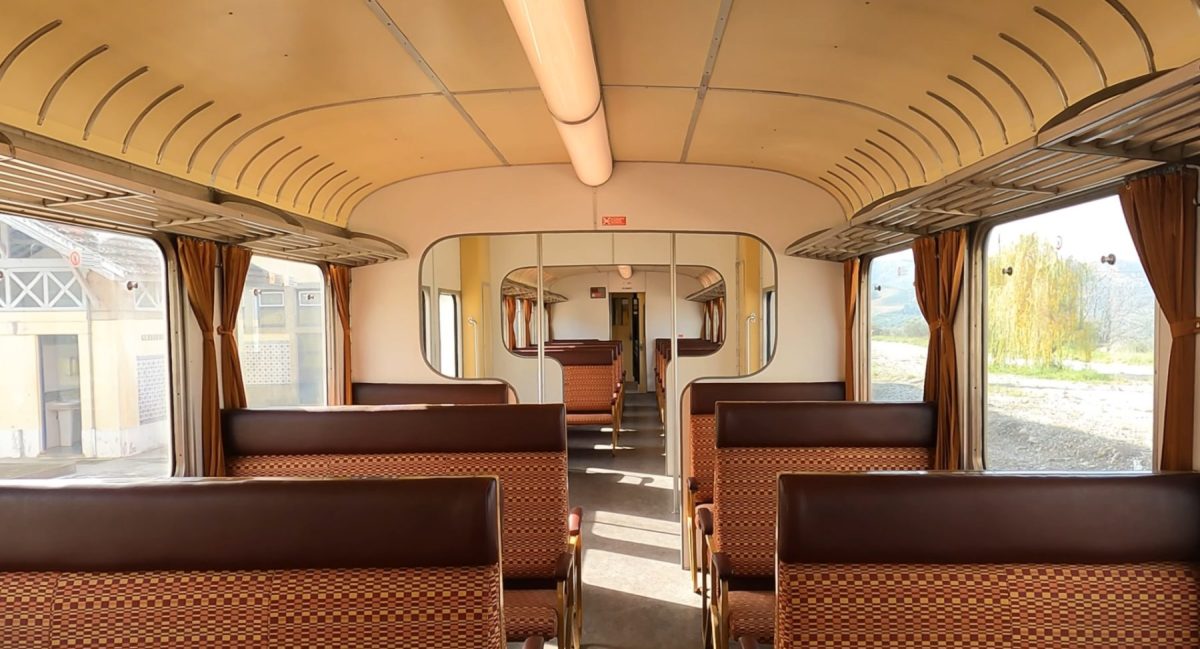
The Douro Historic Train is the valley’s most distinctive rail experience, departing Régua at 3:30 pm and returning at 6:26 pm. It stops at Pinhão, continues to Tua, and turns the railway itself into the attraction, with regional music, a glass of Porto Ferreira, sweets from Régua, water, and regional gifts.
It is nostalgic rather than wine-intensive. The glass of Port gives the journey a regional accent, but this is not a tasting sequence, not a quinta visit, and not a technical cellar day. Pair it with a separate winery visit if wine is the point.
- Most distinctive railway experience in the Douro market.
- Includes Pinhão and Tua without requiring the traveler to drive.
- Strong cultural atmosphere with music, regional sweets, and Port.
- Not a substitute for a winery visit or technical tasting.
- Timing from Régua means Porto-based travelers must coordinate arrival and return separately.
7. Private Douro Experience with Boat Cruise, Train Ride, Vineyard Tasting, and Riverside Lunch
Ideal for: Couples, families, and small private groups who want the romance of train and boat travel without sacrificing comfort, pickup, or guided coordination. Skip this if: You are trying to keep the day under €100 per person, because private coordination, pickup, lunch, boat, and wine tasting make this format significantly more expensive.
This private style rebuilds the old Douro transport logic in a more comfortable modern form: river, rail, vineyard, lunch, and a driver smoothing the awkward joins. Some private products include vineyard travel, riverside lunch, boat cruise, train ride, wine tasting, and Porto hotel pickup and drop-off. It is the version for people who want the romance without the spreadsheet.
The benefit is protection. Fewer missed connections. Less standing around wondering whether the next taxi exists. More room to adapt around mobility, lunch preferences, or a slower tasting. The risk is paying a premium for a tour that loves the transport story more than the wine, so check the estate and tasting quality before committing.
- Best logistical protection against missed connections or poorly aligned train and boat times.
- Strong fit for travelers with limited time who still want the train motif.
- More flexible than shared tours for lunch preferences, mobility, and pickup location.
- Expensive compared with a self-guided Porto–Pinhão train day.
- Some private products emphasize the “transport story” more than deep wine education, so tasting quality must be checked.
Train Logistics in the Douro: Tasting Slots, Taxi Gaps, and What to Pack
Insider Insight
Book the winery before buying a rigid train plan. Tastings such as Quinta do Bomfim operate by scheduled slots, and the classic tour and tasting lasts 90 minutes, so the rail plan should orbit the estate appointment instead of being squeezed around it later.
The Douro by train rewards people who plan carefully, then relax once they arrive. Do not rely on a same-day taxi in Pinhão for multiple estate visits. One nearby quinta, station tiles, lunch, and a short boat ride can work beautifully; two distant quintas and a tight return train can sour the day fast.
- Check CP schedules close to travel, especially if there are Douro Line works or service changes.
- Wear shoes that can handle station platforms, schist paths, cellar floors, and short uphill walks.
- Build at least 30 minutes of slack between a tasting, lunch, boat departure, and return train.
- Carry water and sun protection in July, August, September, and warm October afternoons because Pinhão can feel exposed.
FAQ: Planning a Douro Valley Wine Tour by Train
Can I do a proper Douro wine tour by train from Porto in one day?
Yes, but the cleanest version is Porto to Pinhão by train, one pre-booked winery tasting, lunch in Pinhão, the station azulejos, and possibly a 50-minute or 1-hour rabelo cruise. Adding two or more estates becomes harder without a local driver.
Is Pinhão or Régua better for a wine tour by train?
Pinhão is usually better for wine travelers because it sits deeper in the Cima Corgo landscape, has the famous azulejo station, nearby quintas such as Quinta do Bomfim, and easy access to short river cruises. Régua is more practical for some cruises, heritage train programs, and mid-Douro logistics.
How long is the train from Porto to Pinhão?
Current journey estimates range from about 2 hours 20 minutes to 2 hours 41 minutes, depending on departure and connection pattern. Public travel platforms list the Porto–Pinhão distance at about 90 km.
Is the Douro Historic Train a wine tour?
No. It is mainly a heritage rail experience from Régua to Pinhão and Tua, with regional entertainment, a glass of Porto Ferreira, sweets from Régua, water, and gifts. It can pair well with a separate winery visit, but it is not a full Port cellar or Douro tasting tour by itself.
What is the cheapest realistic Douro wine day by train?
A budget self-guided version can start around €20–€30+ for return train travel, plus about €30 for a classic Quinta do Bomfim tasting, plus lunch and any boat ride. A fuller guided rail-themed tour starts around €49 on some operator listings, while more complete rail, boat, and lunch tours commonly sit around €99–€126+.
Final Verdict: Let the Douro Train Shape the Day, Not Run It
A Douro Valley wine tour by train works best when the railway is treated as part of the wine experience, not a cheap shortcut. Choose Porto to Pinhão with one serious tasting if you want the cleanest independent day. Choose guided rail-and-river formats if timing stress ruins travel for you. Choose the Historic Train for nostalgia, not cellar depth. The Douro rewards patience: river light, schist dust, lagares, old Port routes, and dry reds that taste like they had to fight their way into the glass. After that, the natural trail runs toward the sharp mineral whites of northern Portugal, the volcanic vineyards of island regions, or slower European rail journeys where wine country begins at the platform edge.