
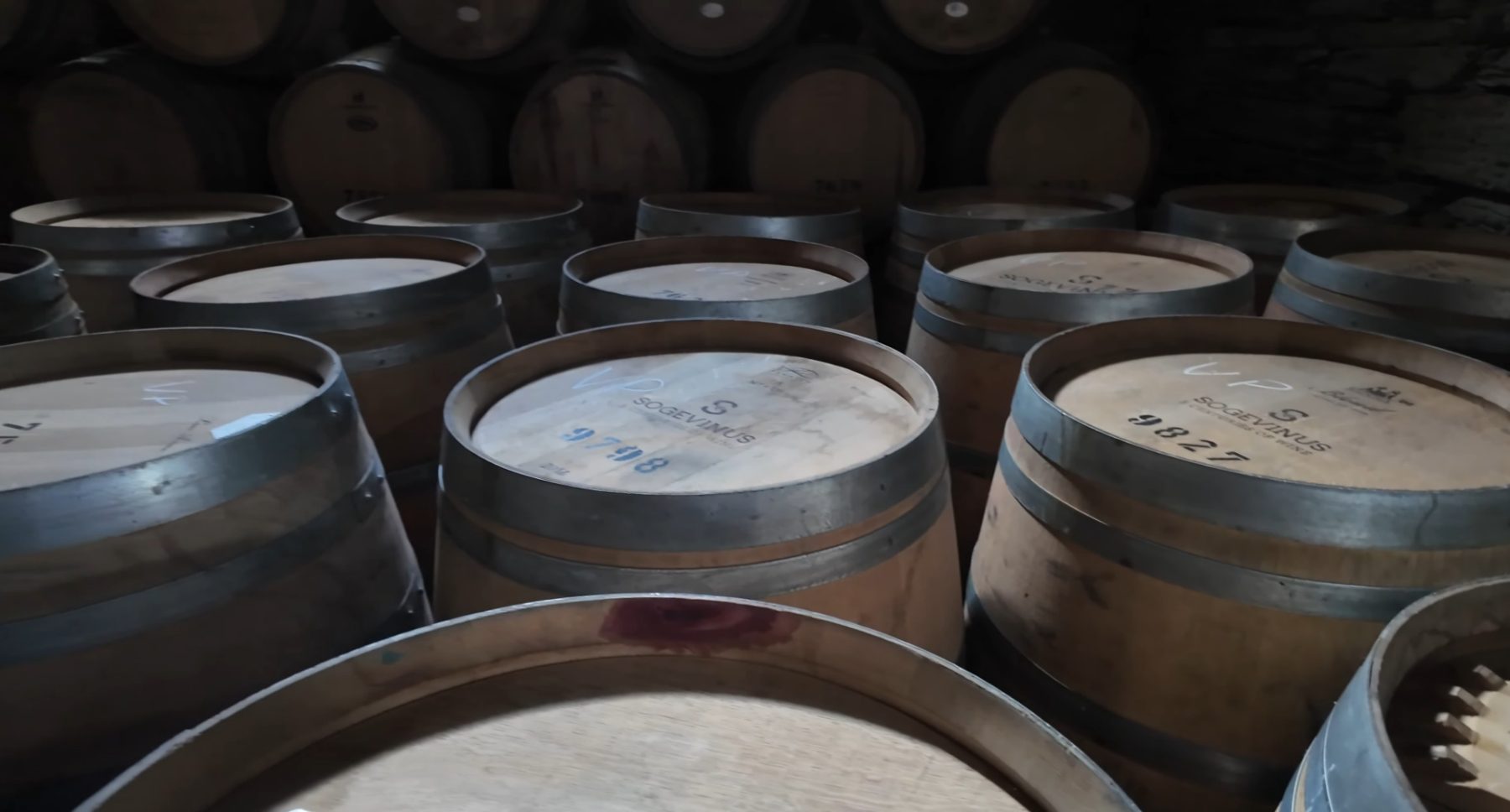
Gaia announces itself through smell before it gives you a view. Wet stone. River air. Old oak breathing slowly under the warehouses. Then comes the spirit warmth of Port, that faint lift in the nose that tells you the wine has been lying across the Douro longer than most travelers have known how to pronounce Vila Nova de Gaia.
A port wine lodges tour porto can be excellent, lazy, theatrical, overpriced, quietly brilliant, or all of those in the same afternoon. The mistake is assuming every cellar does the same job. Some lodges teach you how tawny gets its orange peel and walnut edge. Some pour quickly, smile hard, and push you toward the shop. I think the best way to book Gaia is to decide what you actually want before the first glass touches the table.
Gaia Port Lodge Basics: Best Months, Real Costs, and What the Tastings Actually Feel Like
Our Methodology
We judged these Gaia lodge experiences like wine travelers, not box-tickers trying to collect the fastest pour beside the river. Cellar credibility, tasting quality, walking logistics, guide clarity, and the link between Douro vineyards and Gaia aging rooms mattered more than glossy branding.
Schist, Heat, and the Long Journey from Douro Grapes to Gaia Barrels
The essential geography is simple, and still many visitors miss it: the tastings happen in Vila Nova de Gaia, but the wine begins in the Douro Demarcated Region. Upstream, vines push into schist terraces under a hard summer sun, yielding fruit with the tannin, sugar, and phenolic weight Port needs. Touriga Nacional brings perfume and spine; Tinta Roriz gives flesh and grip; Touriga Franca, Tinta Barroca, and Tinto Cão fill the blend like musicians who know when not to solo.
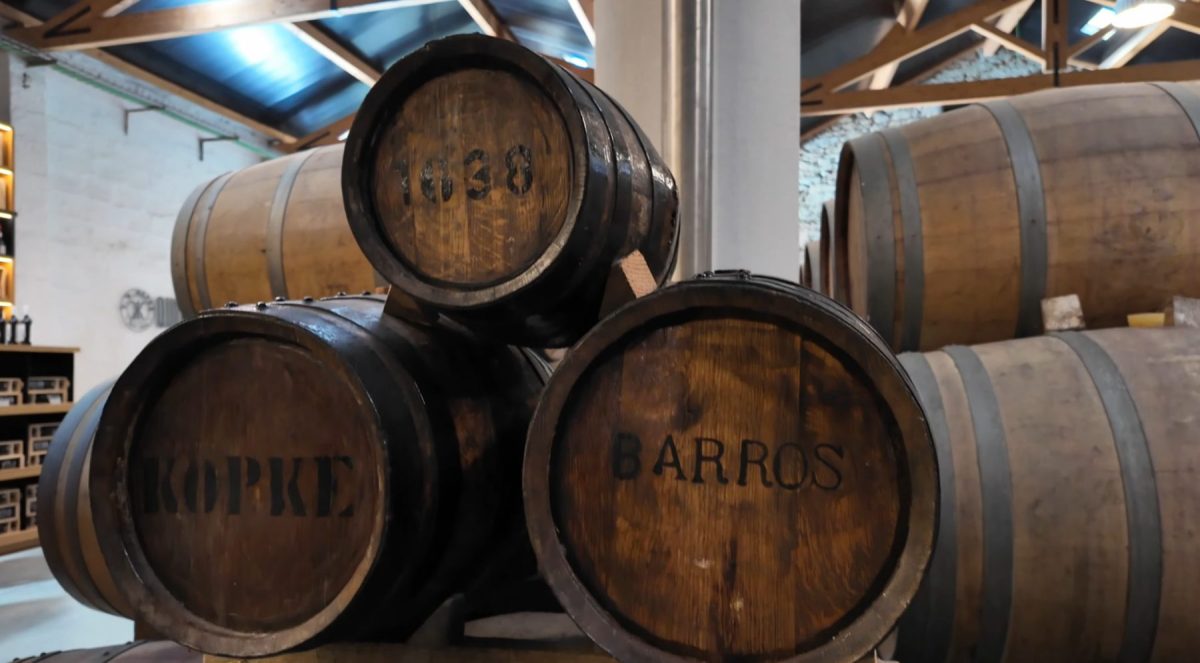
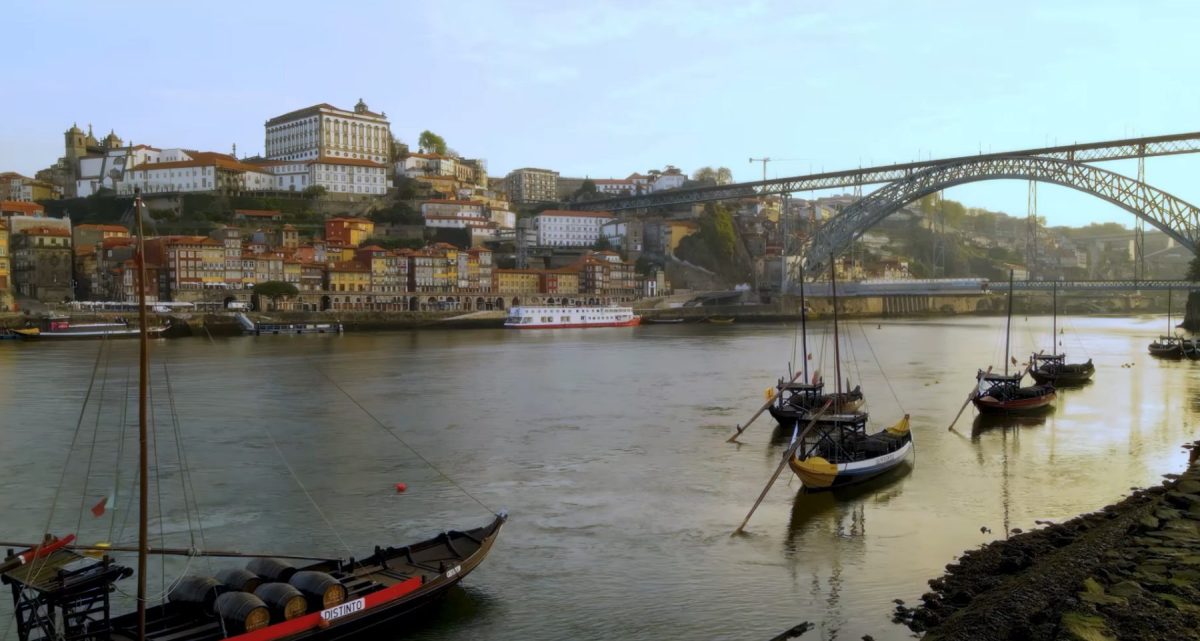
Gaia became the great aging and shipping quarter because the river, the Atlantic air, and the merchant houses all met here. Rabelo boats carry the romance now more than the barrels, but the symbol still works: Douro wine descending toward Porto, then settling into lodges where oak, oxygen, time, and blending turn heat into depth. Walk into a serious cellar and you get that smell of damp wood and spirit before the guide says a word. Good sign.
“No Douro, a vinha sofre para o vinho ganhar alma.” In the Douro, the vine suffers so the wine gains soul.
Myth vs. Reality
A common misconception is that Port wine tours in Porto take you into the vineyards. They do not, unless you have booked a Douro Valley day trip. Standard Porto lodge tours are cellar and tasting experiences in Vila Nova de Gaia, where Port is aged, stored, explained, poured, and sold.
Seven Gaia Port Tastings Compared Before You Commit an Afternoon
| Tour Name | Best For (Traveler Profile) | Primary Region / Focus |
|---|---|---|
| Graham’s 1890 Lodge Premium Port Tasting with Viewpoint Walk | Travelers wanting a polished, premium Port experience with serious tasting value | Historic Gaia lodge, premium Port, viewpoint setting |
| Taylor’s 300-Year Cellars Self-Guided Audio Visit and Classic Tasting | Independent travelers, first-time Port drinkers, multilingual visitors | Self-guided cellar education, classic tasting |
| Cockburn’s Working Lodge Tour with Cooperage and Premium Tasting | Travelers who want barrels, coopers, and a working-cellar atmosphere | Large Gaia cellar, cooperage, barrel aging |
| Cálem Interactive Cellar Visit with Port Tasting and Optional Fado | First-time visitors, casual travelers, older families, evening planners | Riverfront Gaia, interactive museum, fado option |
| Sandeman Historic Cellars and Brand Heritage Tasting | Travelers interested in famous Port brands and export history | Central Gaia, brand heritage, polished visitor route |
| Churchill’s Boutique Working Lodge Tour and Signature Port Tasting | Travelers who prefer smaller, more independent-feeling producers | Boutique working lodge, Port and Douro wine tasting |
| Multi-Lodge Port Wine Walking Tour with 7 Tastings in Gaia | Travelers who want comparison tasting across several houses | Gaia walking route, multiple tastings, guide-led comparison |
Best Overall Gaia Port Lodge: Graham’s 1890 for Depth, View, and Proper Tawny Drama
1. Graham’s 1890 Lodge Premium Port Tasting with Viewpoint Walk
Ideal for: Travelers who want a polished, premium-feeling Port experience with serious tasting value, cellar scale, and strong views over Porto. Skip this if: You dislike uphill walking; Graham’s sits above the Gaia riverfront, and the approach is less effortless than the riverside lodges.
Graham’s wins because it lets the wine set the pace. You do not feel pushed through a branded corridor toward a cash register. The lodge has weight: more than 2,000 pipes, 40 large oak vats, and a scale that makes Port feel like infrastructure as much as pleasure. This is where the subject starts to grow teeth.
The tasting can include four Ports: Graham’s Blend Nº5 White, Six Grapes, Quinta dos Malvedos Vintage Port, and 30-Year-Old Tawny. That sequence matters. It moves from freshness and fruit into age, oxidation, dried citrus, walnut skin, and the kind of caramel note that never feels sugary when the acidity holds. I still remember the 30-year tawny sitting in the glass like amber light caught in an old library. A little dramatic, maybe. Accurate enough.
“The view is beautiful, yes,” a Gaia guide told us, “but the barrels are the real skyline.”
- Strong tasting credibility with higher-end Port styles.
- Working cellar context with more than 2,000 pipes and 40 large oak vats.
- Better viewpoint payoff than many riverfront-only lodges.
- More expensive than the classic Gaia cellar circuit, with premium experiences commonly around €60 to €135.
- The uphill location is less convenient for travelers with mobility issues or tight cruise schedules.
Other Gaia Port Lodge Tours I Would Book, With Some Blunt Warnings
2. Taylor’s 300-Year Cellars Self-Guided Audio Visit and Classic Tasting
Ideal for: Independent travelers, first-time Port drinkers, multilingual visitors, and people who dislike fixed group pacing. Skip this if: You need a live guide and real-time questions; Taylor’s main public format is self-guided audio rather than a guide-led lodge tour.
Taylor’s is the grown-up practical choice. Its 300-year-old cellars are set up for people who like to pause, rewind a thought, look at a barrel properly, and not be herded every seven minutes. The audio guide runs in 13 languages, which makes it useful for mixed-language couples, families, and travelers who want actual context without playing catch-up behind a guide’s umbrella.
The tasting normally gives you Taylor’s Chip Dry White, LBV, and 10-Year-Old Tawny. That is a sensible arc: dry white Port for lift, LBV for fruit and structure, tawny for the oxidative register. It costs around €25 in recent market pricing, and frankly, that is fair if you value interpretation. Less charm than a live guide. Better control.
- Audio guide available in 13 languages.
- More flexible than fixed-time guide-led lodge tours.
- Good introductory tasting spread: white Port, LBV, and aged tawny.
- Less personal than a live sommelier-led tasting.
- The uphill location can feel tiring after a full Porto walking day.
3. Cockburn’s Working Lodge Tour with Cooperage and Premium Tasting
Ideal for: Travelers who want the most working-cellar atmosphere: barrels, coopers, aging galleries, and less sterile museum energy. Skip this if: You are visiting on a weekend specifically to see coopers working; the coopers work Monday to Friday from 9:00 to 16:30.
Cockburn’s feels industrial in the best sense. It is the largest Port cellar in Vila Nova de Gaia’s historic quarter, so the visit has mass: rows of casks, cellar volume, the sense that wine here is not decorative. The cooperage gives it bite. When the coopers are working, you see maintenance as part of the wine’s life, not a romantic afterthought.
The usual tour runs about 1.5 hours. Standard guided versions often land around €26 to €30, while private formats start much higher. I would send the barrel-curious traveler here, the person asking about oxygen exchange, evaporation, wood size, and why old tawny tastes like roasted nuts instead of fresh berries. They will get more from it than someone who only wants a pretty pour.
- Largest Port cellar in Vila Nova de Gaia’s historic quarter.
- Open cooperage gives a rare practical detail not every lodge offers.
- Strong for barrel-aging education and visual impact.
- Coopers are not guaranteed outside weekday working hours.
- The cellar scale can feel more impressive than intimate if the group is full.
4. Cálem Interactive Cellar Visit with Port Tasting and Optional Fado
Ideal for: First-time visitors, casual travelers, families with older teens, and travelers who want a simple riverfront location plus entertainment. Skip this if: You want a quiet, small, sommelier-level tasting; Cálem is one of the busiest and most tourist-oriented Gaia lodges.
Cálem does not pretend to be shy. It is central, easy, close to the riverfront, and built for people who want the Port story without climbing Gaia before lunch. The basic cellar visit runs about 1 hour, and the cellar plus fado format usually takes around 1 hour 15 minutes. Pricing is approachable too: around €22 for the guided visit and around €28 for the lodge plus fado.
The fado add-on is the reason I do not dismiss Cálem as merely commercial. It gives the evening a shape: cellar air, glass in hand, voice in the room, Portuguese saudade doing what it does. Serious Port drinkers may find the tasting too broad. A first-night visitor may find it exactly right.
- Easy location for travelers staying around Ribeira or Cais de Gaia.
- Good beginner-level explanation without requiring deep wine knowledge.
- Fado option solves the evening activity problem without needing a separate venue.
- Can feel crowded and slightly rushed during peak months.
- Less suited to experienced Port drinkers seeking older tawny or vintage-focused depth.
5. Sandeman Historic Cellars and Brand Heritage Tasting
Ideal for: Travelers interested in famous Port brands, visual identity, export history, and a classic Gaia riverside cellar. Skip this if: You are looking for a small independent producer; Sandeman is polished, branded, and highly visited.
Sandeman is theatre, and I mean that plainly. The caped Don, the export history, the central Gaia position, the visitor-ready route: it is all designed. Sometimes design helps. Sometimes it smooths the edges off the wine.
One current format runs 1 hour 30 minutes with 2 Port wines and a Douro Valley interpretation element, priced around €35. Wider experiences range from about €23 to €170. I like Sandeman for travelers who care about brand history, labels, maritime trade, and the way Port became an international drink. I would not choose it first for a taster who wants a long, nerdy discussion of age statements, cask size, and vintage declaration.
- Strong brand storytelling and visitor infrastructure.
- Central location near the classic Gaia cellar strip.
- Good for travelers who want a famous-name Port house rather than a niche tasting room.
- Less intimate than Churchill’s, Poças, or premium Graham’s formats.
- Some formats include only 2 Port wines, which may feel light for serious tasters.
6. Churchill’s Boutique Working Lodge Tour and Signature Port Tasting
Ideal for: Travelers who prefer smaller, more independent-feeling producers and a less mass-market tasting room. Skip this if: You want the grandest historic spectacle; Churchill’s is more boutique and less monumental than Cockburn’s or Graham’s.
Churchill’s has a different temperature. Less theatre, more conversation. The working lodge feel comes through in the stacked barrels, practical cellar movement, and the sense that the place has not been polished into a visitor attraction at the cost of its personality. I like that.
The visit runs around 1.5 hours, with Churchill’s own listing from €30 per person and other lodge experiences from about €25 per person. The useful part is the chance to taste both Port and Douro wine. That contrast matters. After a run of fortified wines, a dry Douro red or white can snap the palate awake—rather like a sharp Vinho Verde after francesinha, or that first cold glass after a dusty Alentejo road where the vines look half-baked by noon.
- More boutique feel than the busiest riverfront lodges.
- Working-lodge details: forklifts, stacked barrels, cellar activity.
- Tastings can include both Port and Douro wines, useful for comparing fortified and still wines.
- Less convenient than the most central Gaia riverfront lodges.
- Fewer iconic postcard visuals than Graham’s viewpoint or Sandeman’s riverside brand presence.
7. Multi-Lodge Port Wine Walking Tour with 7 Tastings in Gaia
Ideal for: Travelers who want comparison tasting across multiple houses without separately booking several lodge visits. Skip this if: You dislike structured group pacing; multi-lodge tours can feel tight because each tasting slot depends on cellar schedules.
The multi-lodge format works like a practical field lesson. You trade depth inside one cellar for range across several glasses, and for many travelers that is the smarter choice. A current market listing shows a Port Wine Lodges Tour Including 7 Port Wine Tastings from €56, usually running 3 hours to 3.5 hours. Fair price, assuming the guide can actually explain what is in the glass.
The drawback is obvious once you are moving: time. You do not linger as long with the barrels, and the route depends on cellar schedules. Still, if you have one afternoon and want to understand white Port, ruby, LBV, tawny, and vintage-style logic without booking several separate visits, this format earns its place. Wear proper shoes. Gaia punishes optimism.
- Better style comparison than a single-lodge tasting.
- Good use of limited time if travelers only have one afternoon.
- Guide can translate Port categories into buying decisions.
- Requires standing, cobblestones, and uphill or downhill walking.
- Less time inside each individual cellar than a dedicated lodge tour.
Field Notes for Gaia: Shoes, Shop Prices, English Slots, and the One Booking Mistake
Insider Insight
Book the actual cellar experience, not the logo on the door. The same Port house may sell a basic tasting, premium tasting, food pairing, fado package, private room tasting, or masterclass, and that can mean €22 versus €70+ at the same address.
Gaia is not a flat wine-bar district. It has cobbles, ramps, polished cellar floors, damp corners, and climbs that feel much longer after a 20-year tawny. I have watched well-dressed visitors regret shoes that looked good at breakfast. The cellars won.
- Wear flat closed shoes, especially for Graham’s, Taylor’s, WOW, and Churchill’s.
- Book English-language slots ahead in July, August, weekends, and late afternoons.
- Do not assume the lodge shop is the cheapest place for standard bottles.
- Eat properly before tasting; francesinha is heavy, but it does its job after Port.
The Six Bridges river cruise is a pleasant 50-minute add-on when the light is good and the wind behaves. Just do not confuse it with wine education. The river gives you the postcard; the lodges give you the argument.
Practical FAQs Before Booking a Port Wine Lodge Tour in Porto
Do Porto Port wine lodge tours visit vineyards?
No. Standard lodge tours visit cellars in Vila Nova de Gaia, where Port is aged, stored, explained, tasted, and sold. Vineyard visits require a separate Douro Valley day trip, usually 9 to 10 hours from Porto.
Which lodge is best for a first-time visitor?
Cálem or Sandeman are easiest for first-timers because they are central, structured, and visitor-friendly. Taylor’s works better for flexible self-guided timing, while Graham’s or Cockburn’s suits travelers who want deeper cellar atmosphere.
How many Port lodges should travelers visit in one day?
Two lodges is the practical maximum for most travelers who want to taste properly and still enjoy Gaia. Three can work with a guided multi-lodge format or very disciplined scheduling, but the palate gets tired faster than people admit.
Are Port lodge tours suitable for children or non-drinkers?
Some lodges allow minors, but the experience is built around wine production and tasting. Children may not get much from longer cellar visits unless they enjoy history, boats, barrels, and patient adults talking about sugar levels.
Is it better to book in advance or walk in?
Book in advance, especially for English-language tours, premium tastings, fado formats, and peak-season afternoon slots. Most guided lodges run fixed language times with limited space, so walking in can leave you with the wrong tour or no tour at all.
Choosing Your Gaia Cellar Before the Douro Valley Calls You Upstream
A good Port lodge tour in Porto should leave you with more than a sweet finish. It should explain why Douro schist, heat, native grapes, Gaia’s cellars, old oak, blending, and patience all need each other. Choose Graham’s for premium depth, Taylor’s for flexible education, Cockburn’s for working-cellar texture, Cálem for easy first-timer access, Sandeman for polished heritage, Churchill’s for boutique character, or a multi-lodge walking tour when comparison matters more than lingering. After that, you may want the vineyards themselves: mineral whites in northern Portugal, volcanic wine islands farther out, or the Douro terraces where the whole story starts under a hard sun.