

Portugal is not the bargain-basement Europe people remember from old backpacker tales. That country has mostly slipped away, at least in Lisbon, Porto, the Algarve, Madeira, and any hotel room with a sea view sharp enough to be sold twice. Rooms cost more now. Short-term rentals have reshaped whole streets. August can bite.
Still, Portugal is not expensive in the way Switzerland, Iceland, coastal France, or northern Italy can be expensive. Travel with trains, eat in ordinary places, book early, and dodge the August beach rush, and the value is still there. The secret is knowing where the money disappears. In Portugal, it usually goes into beds, not breakfast. Into private day trips, not coffee. Into an Algarve hotel room in high summer, not a cold glass of vinho verde at a tasca with paper tablecloths.
Portugal is moderately priced, not genuinely cheap anymore. Budget travelers can manage about €65–€90 per person per day, while a comfortable mid-range trip usually lands closer to €140–€220 per person per day. Lisbon, Porto, the Algarve, Madeira, and the Douro Valley cost more once hotels, tours, and peak-season dates enter the picture.
So, Is Portugal Expensive for Tourists?
Portugal feels affordable in the small moments and expensive in the big bookings. Coffee? Fine. A pastel de nata? Barely a budget event. A Lisbon metro ride still feels merciful by European capital standards. Then you check a central hotel for a June weekend and the mood changes fast.
That is the real pattern. Daily travel costs are still reasonable. Accommodation does the damage. Private tours, rental cars, summer flights, popular restaurants, and polished beach resorts can push the trip into a different bracket too. A couple moving casually through Lisbon or the Algarve can very quickly ask where the “cheap Portugal” story went.
Compared with much of Western Europe, Portugal still gives strong value for historic cities, coast, wine regions, islands, and proper food without northern European prices. It is not cheap everywhere. It is value with conditions.
How Much Does Portugal Cost Per Day?
A realistic Portugal budget depends on how you travel, not on some tidy average pulled from a spreadsheet. A backpacker in hostels, moving by train and eating simple meals, can still cross the country fairly cheaply. A mid-range traveler in private rooms or hotels, eating out every day and booking a few paid experiences, needs a much healthier budget. A premium trip with boutique hotels, private transfers, curated wine tours, and coastal resorts can get expensive before lunch.
For planning, these daily ranges are more useful than pretending one number fits every trip.
| Travel style | Daily budget | What it usually means |
|---|---|---|
| Budget | €65–€90 | Hostels, simple guesthouses, local cafés, supermarkets, public transport, free viewpoints and beaches |
| Careful mid-range | €110–€160 | Basic private room or modest hotel, casual restaurants, local transport, a few paid attractions |
| Comfortable mid-range | €160–€230 | Good hotel, restaurants, museums, day trips, occasional taxis, better location |
| Premium | €250–€400+ | Boutique hotels, private tours, wine tastings, transfers, fine dining, sea-view or river-view stays |
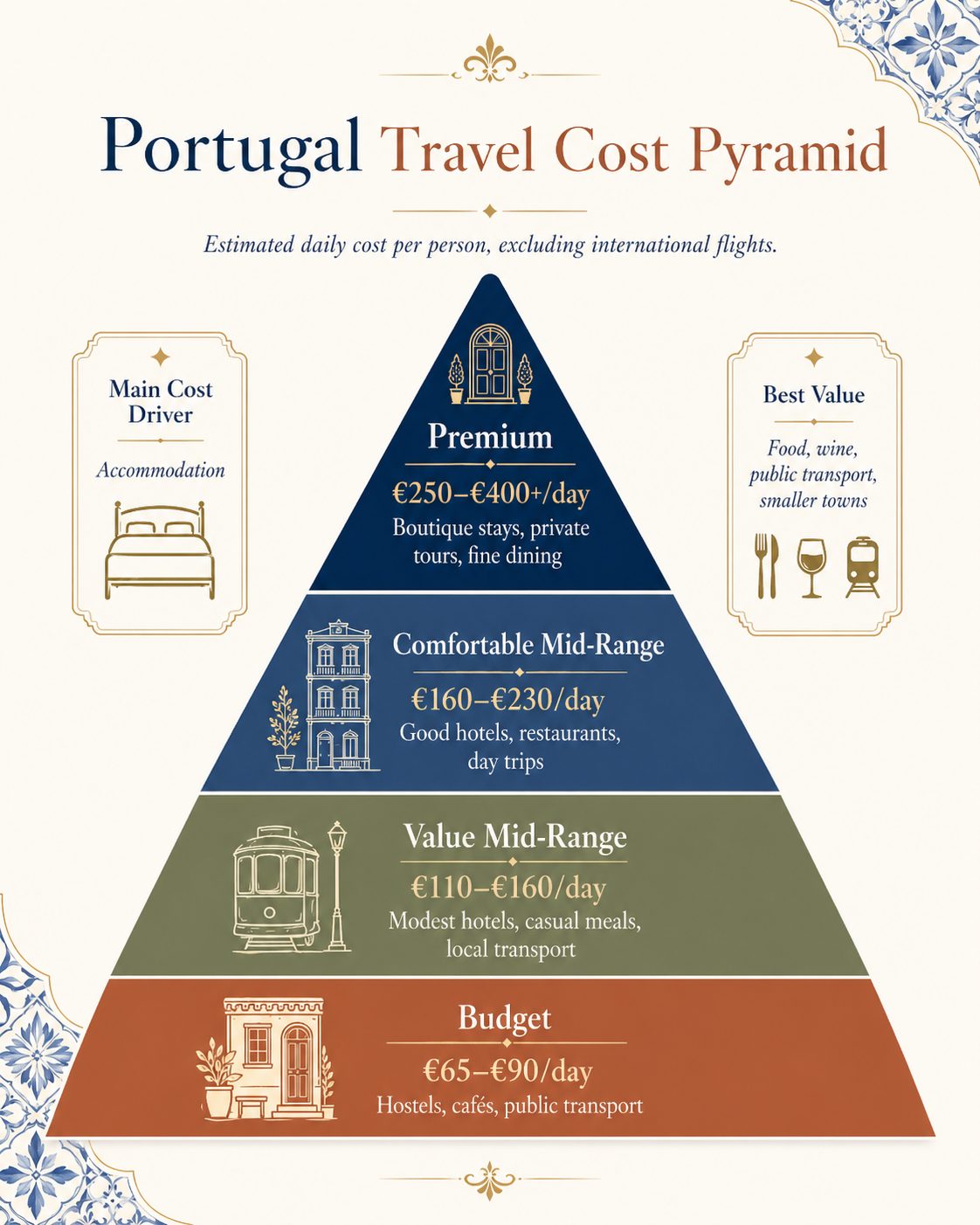
The gap between budget and mid-range travel is mostly the bed. Food matters, yes. Paid sights matter too. But the jump from a hostel bed or plain guesthouse to a central hotel in Lisbon, Porto, Lagos, Funchal, or Pinhão can wreck the budget before the first dinner booking.
Is Portugal Cheap Compared with Spain, Italy, and France?
Portugal usually comes in cheaper than Spain, Italy, and France for average tourist spending, especially once hotels and restaurants are counted. The difference is not huge for a careful budget traveler. A cheap trip through Portugal and a cheap trip through Spain can look fairly similar. For mid-range and premium travelers, Portugal still tends to offer better value.
You feel that value most clearly outside the obvious tourist corridors. A good lunch in a smaller Portuguese town, a glass of Dão or Alentejo red, a regional train ride, or a family-run guesthouse can still feel refreshingly fair. Central Lisbon in high season does not always feel that way. Nor does a polished Algarve resort in August.
| Destination | General cost level | What travelers usually notice |
|---|---|---|
| Portugal | Moderate | Good value for food, wine, transport and smaller towns; rising hotel costs in popular areas |
| Spain | Moderate to high | Comparable in many areas, but major cities and islands can cost more |
| Italy | Moderate to high | Popular cities, coastal areas and famous regions often push costs higher |
| France | High | Paris, Provence, the Riviera and premium dining make travel costs climb quickly |
The better comparison is not “Portugal versus Europe” as a vague idea. It is Lisbon versus Madrid, Porto versus Barcelona, Algarve versus Costa del Sol, Madeira versus the Canary Islands. Portugal can win on value, but not by magic. Dates matter. Location matters more.
What Makes Portugal Feel Expensive?
Portugal gets expensive when the trip is built around the most wanted places at the most wanted time. A central Lisbon hotel in June. A beach town in August. A Douro Valley winery lunch with private transport. A Madeira itinerary that needs a car every day. None of that is wrong. It just is not budget travel.
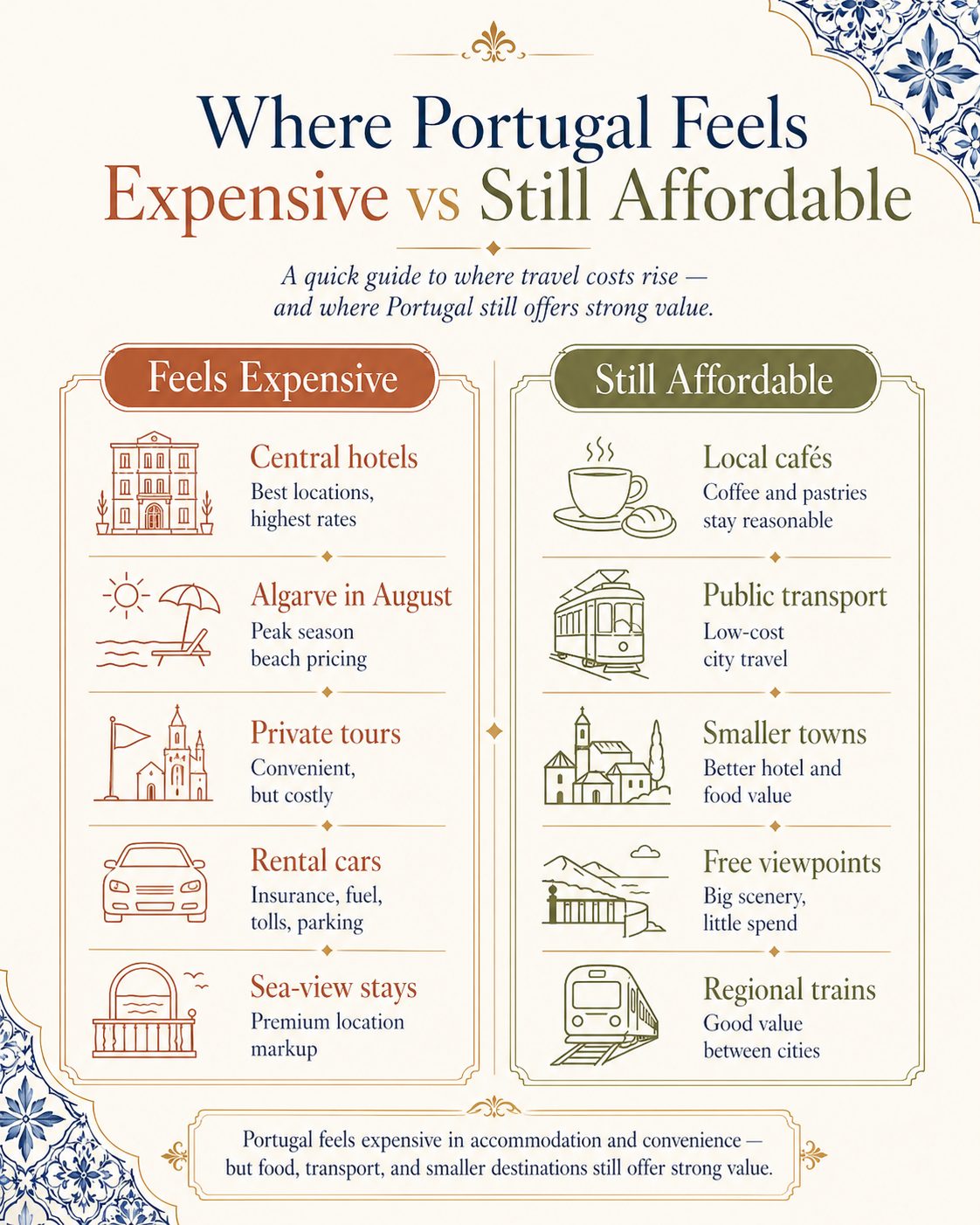
Accommodation Is the Main Cost
Hotels and apartments are where Portugal’s price rise feels most obvious. Lisbon has become a major city-break machine. Porto is no longer the quiet northern alternative. The Algarve has always had summer demand, and Madeira now pulls hikers, remote workers, cruise passengers, and winter-sun travelers into the same limited island geography.
That demand lands in the nightly rate. A traveler who remembers Portugal as cheap may still find fair meals and cheap transport, then get ambushed by accommodation. This is why the old reputation misleads people.
Peak Season Changes the Whole Budget
July and August are the danger months for value, especially near the coast. Algarve beach towns, Lisbon weekends, Porto riverfront stays, Madeira hotels, and family resorts can all jump hard. Easter, Christmas, New Year, major festivals, and long weekends also push rates upward.
Shoulder season is where Portugal becomes much easier to like financially. April, May, early June, late September, and October usually give a better mix of weather, hotel prices, restaurant access, and crowd levels. November to March can be cheaper again, though beach plans and island weather need a cooler head.
For the best mix of price and experience, look at April, May, late September and October. These months usually avoid the worst summer hotel rates while keeping cities, wine regions and coastal trips comfortable.
Private Tours and Day Trips Add Up Quickly
Portugal is full of day trips that look harmless until they stack up. Sintra from Lisbon. Douro Valley from Porto. Boat trips in the Algarve. Wine tastings in Alentejo. Jeep tours in Madeira. Private drivers in the Douro. Airport transfers. Add a few and a mid-range trip starts wearing premium clothes.
The expensive mistake is booking a private or semi-private tour every day because it feels easy. One or two excellent guided days can be worth the money. Five in a row is a different trip entirely.
Rental Cars Can Be Useful but Sneaky
You do not need a rental car in Lisbon or Porto. In both cities, a car brings more burden than freedom: parking, traffic, narrow streets, hotel garages, toll systems, and stress. A car does make sense in the Algarve, Alentejo, Madeira, rural northern Portugal, and some beach or mountain itineraries.
The base rental price is not the real price. Insurance, fuel, tolls, parking, one-way fees, and late booking all matter. Madeira especially rewards confident drivers, but it punishes vague planning. Those roads are not scenery props.
What Is Still Affordable in Portugal?
Portugal still gives travelers plenty of value if they travel with a little discipline. Not monastery discipline. Just enough to avoid paying tourist-zone prices for every meal, every view, every transfer, every glass of wine.
- Use public transport in Lisbon and Porto instead of taxis for normal city movement
- Eat in local restaurants a few streets away from waterfronts and main squares
- Book hotels early for Lisbon, Porto, Madeira and the Algarve
- Travel outside July and August when possible
- Use trains between major cities instead of renting a car for the whole trip
- Choose one or two paid day trips carefully instead of filling every day with tours
Food, Coffee and Local Restaurants
Food is one reason Portugal still feels generous. A simple meal in a normal restaurant can be fair, especially outside the most tourist-heavy streets. Bakeries save breakfast. Markets help if you have a kitchen. Lunch menus can be excellent value. Wine by the glass often feels almost merciful compared with northern Europe or the United States.
The catch is location. A restaurant beside a famous miradouro, riverfront promenade, beach boardwalk, or cruise-ship route is selling convenience as much as food. Sometimes that is fine. Sometimes you are paying too much for a dull plate and a fine view of other people making the same mistake.
Public Transport Keeps City Costs Low
Lisbon and Porto both work well without a car. Metro, buses, trams, trains, and walking cover most city needs. Stay near a useful transport line and daily movement stays cheap, with less money wasted on short taxi rides.
Portugal’s train network also helps with intercity travel. Lisbon to Porto, Porto to Braga, Lisbon to Coimbra, Lisbon to Faro, and other major routes work without hiring a car. Trains are not perfect for every rural plan, but for city-to-city travel they often make more sense than driving.
Free Experiences Still Matter
Portugal gives away a lot. Viewpoints in Lisbon. River walks in Porto. Beaches along the Algarve. Coastal paths. Church interiors. Markets. Public gardens. Old streets that do not need a ticket booth to justify themselves. In Madeira, some of the best moments are road pullouts, cliff views, laurissilva forest air, and walking routes.
This is where Portugal’s value comes back. Paid sights can add up, but the country is not built only around paid sights. You can spend money here very easily. You can also have a full day without bleeding cash.

Is Lisbon Expensive?
Lisbon is expensive by Portuguese standards, but not shocking by major European capital standards. Both parts of that sentence matter. Compared with smaller Portuguese cities, Lisbon can feel costly. Compared with Paris, Amsterdam, London, or Copenhagen, it still feels manageable.
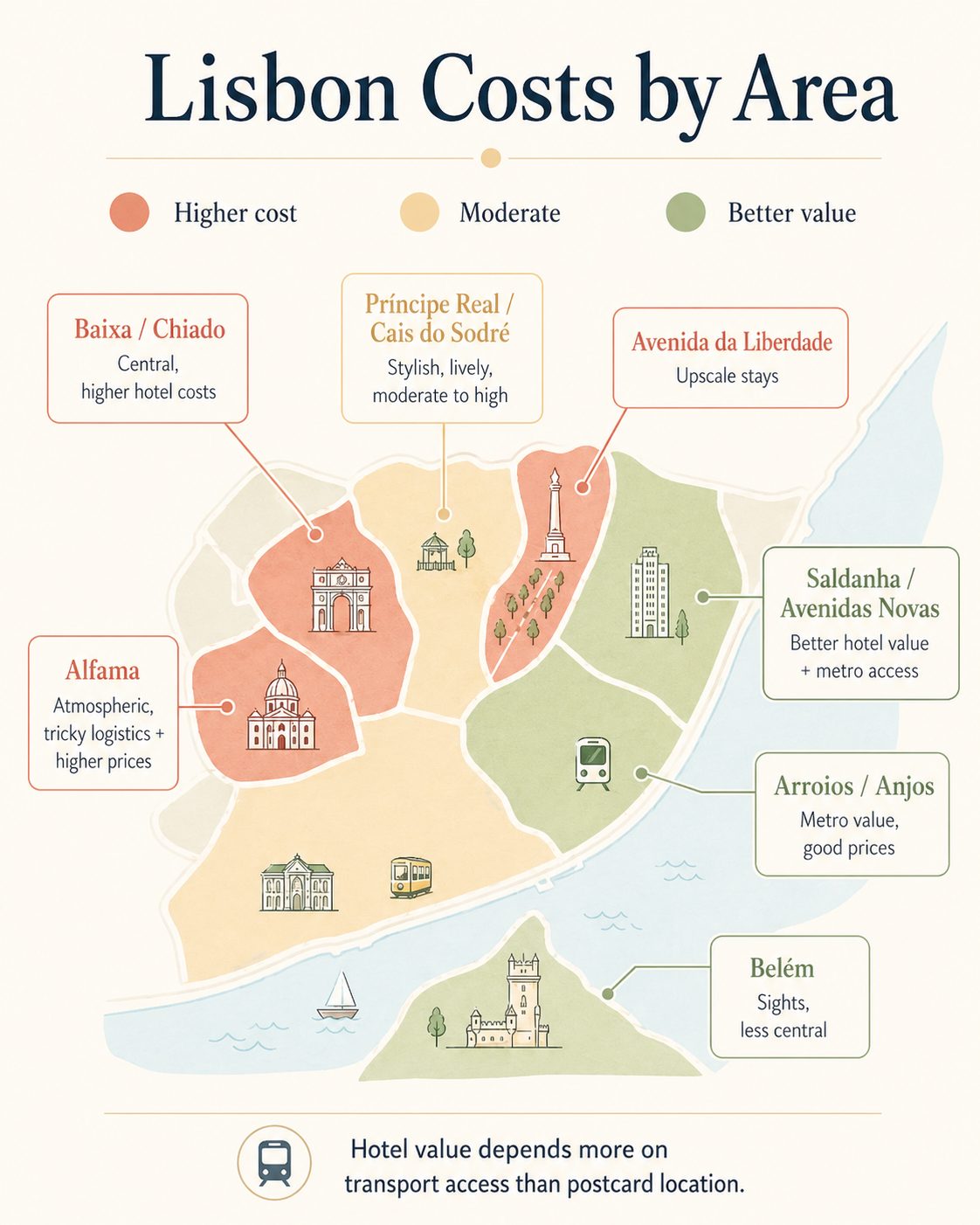
The pressure point is accommodation. Baixa, Chiado, Avenida da Liberdade, Príncipe Real, Alfama, and parts of Cais do Sodré often carry the highest rates. Staying slightly outside the obvious zones can help, provided the metro connection is good. A cheaper room that forces taxis every day is not always cheaper.
Food can go either way. Lisbon has expensive restaurants, rooftop bars, brunch rooms, and polished wine bars aimed squarely at visitors. It also has local lunch places, bakeries, markets, and casual restaurants where the bill stays sensible. The city rewards anyone willing to walk one or two streets away from the obvious terrace.
- Metro and public transport
- Bakeries and simple breakfasts
- Viewpoints and self-guided walks
- Local lunch spots away from tourist streets
- Central hotels and apartments
- Rooftop bars and trendy restaurants
- Private airport transfers
- Sintra day trips with multiple palace tickets
Is Porto Expensive?
Porto is usually a little easier on the budget than Lisbon, though the gap has narrowed. The old picture of Porto as a cheap, rough-edged northern city is out of date. The riverfront is busy, wine tourism has been polished hard, boutique hotels have multiplied, and the best views know exactly what they are worth.
Still, Porto can be excellent value if you avoid sleeping directly on the most cinematic stretch of the river. Public transport is useful, the historic center is walkable if your knees accept the hills, and casual food remains accessible. Porto gives travelers a strong sense of place without demanding a paid attraction every few hours.
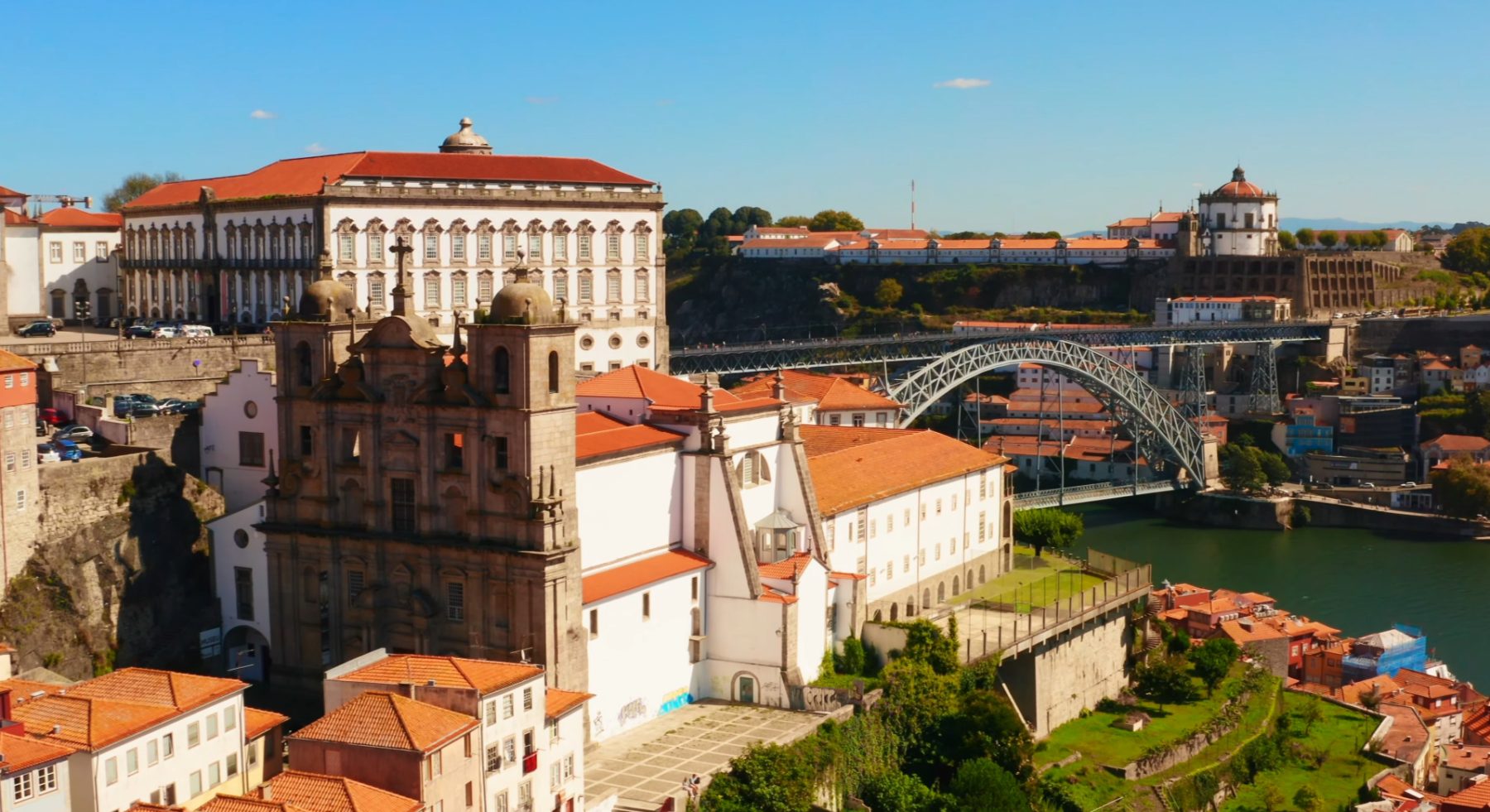
Where Porto gets expensive is around the river, premium hotel rooms, port lodge tastings, private food tours, and Douro Valley day trips. The Douro is worth seeing if wine and landscape matter to you, but it is not a cheap little add-on once guide, lunch, tastings, and transport are included.
If you want Porto value, stay near a metro connection instead of paying only for a postcard river view. Spend the saved money on one serious wine experience rather than several forgettable tastings.
Is the Algarve Expensive?
The Algarve is where Portugal’s value reputation gets tested hardest. In spring or October, it can feel wonderfully reasonable: warm light, seafood lunches, quieter beaches, and hotels that have not yet lost their minds. In August, the same coastline can feel like a different country.
Beach demand changes everything. Lagos, Albufeira, Vilamoura, Carvoeiro, Quinta do Lago, and resort-heavy coastal pockets can get expensive when families, golfers, package holidaymakers, and road-trippers all arrive at once. Faro, Tavira, Olhão, and some inland bases often feel calmer and better value, though transport planning becomes more important.
The Algarve is not automatically expensive. It is seasonal. Remember that word.
| Season | Cost level | What to expect |
|---|---|---|
| November–March | Lower | Cheaper hotels, quieter towns, mild weather, less reliable beach conditions |
| April–June | Good value | Better weather, rising prices, fewer crowds than peak summer |
| July–August | Expensive | High hotel prices, crowded beaches, strong demand for rental cars and tours |
| September–October | Strong value | Warm sea, softer prices, good beach weather, more relaxed atmosphere |
A rental car can help in the Algarve, especially if you want smaller beaches, inland villages, or flexibility between towns. But it is not free freedom. Parking, fuel, insurance, tolls, and summer demand all add weight to the final bill. If you plan to stay in one town and walk to the beach most days, a car may be pointless.
Is Madeira Expensive?
Madeira is a strange island for budget planning because some of its best experiences cost nothing, while the logistics do not. The island gives you mountain roads, levada walks, cliff viewpoints, forest trails, natural pools, ocean air, and grand scenery without a museum ticket every morning. That part is tremendous value.
The costs come from moving around and sleeping well. A hotel with a view in Funchal or along the coast can cost far more than a plain inland room. Rental cars are popular because Madeira rewards movement, but the roads are steep, parking can be tight, and nervous drivers may prefer tours or private transfers. That bill grows quietly.
- Hikes and viewpoints
- Casual food in local areas
- Public gardens and coastal walks
- Nature-heavy days without paid attractions
- Sea-view hotels
- Rental cars in busy periods
- Private tours and transfers
- Flights during peak travel dates
Madeira can be good value for travelers who like walking, viewpoints, simple meals, and slow outdoor days. It becomes expensive when every day needs a vehicle, a guide, a cable car, a premium hotel terrace, and a sunset drink with the view folded into the price.
Is the Douro Valley Expensive?
The Douro Valley is not the cheapest way to see Portugal. You can do it carefully, especially by train from Porto to Peso da Régua or Pinhão, but the classic Douro experience costs more: winery tastings, lunch, private transport, river views, and time. The region is not built like a cheap urban break. It is spread out, steep, and slow.
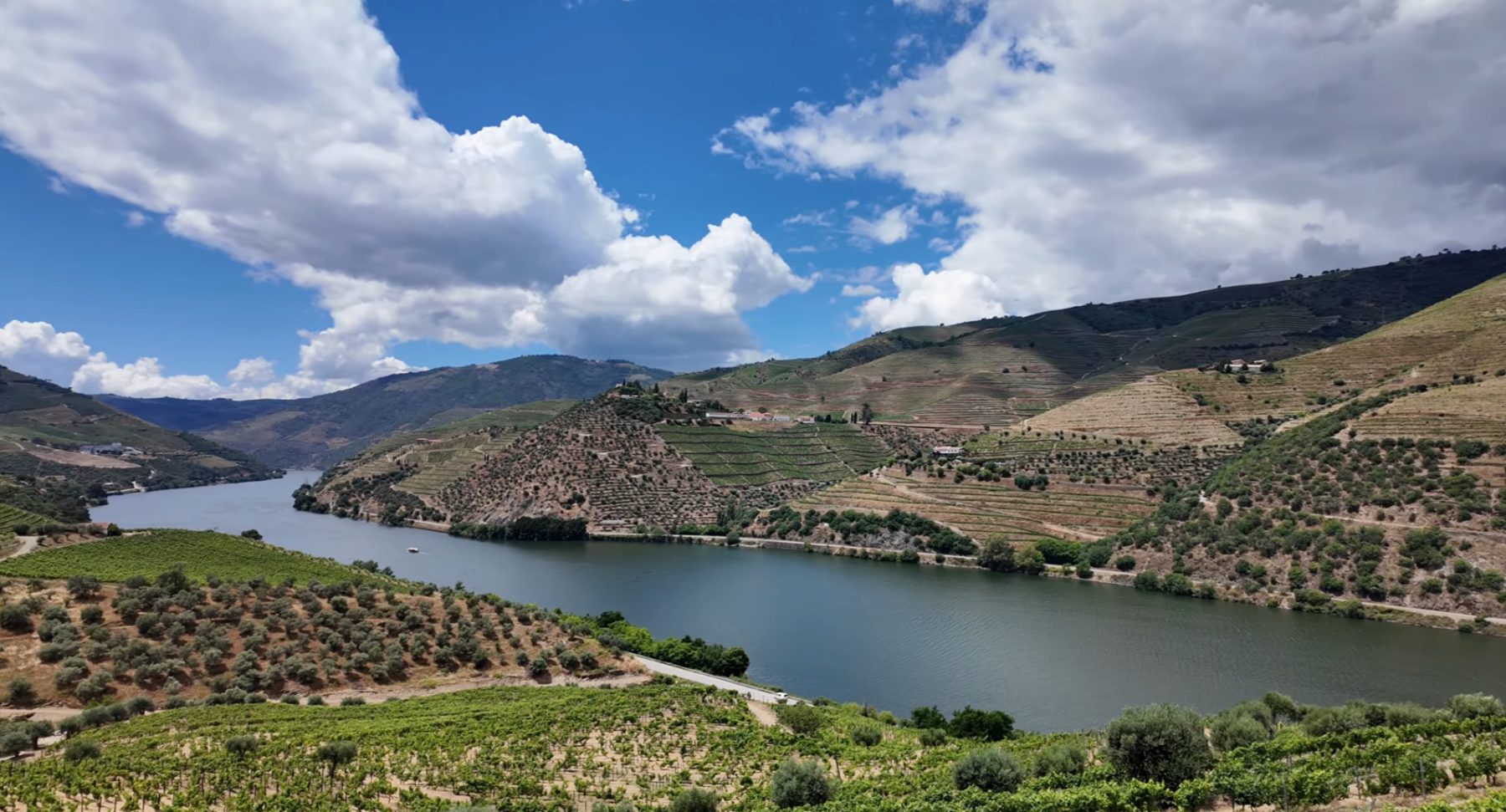
That does not make it poor value. A good Douro day can become one of the sharpest memories of a Portugal trip. Terraced vineyards, schist slopes, winding roads, quinta lunches, structured reds, white port, tawny port, river bends — this is why people go. Just budget honestly.
The Douro is worth budgeting for if wine, landscapes, and slow regional food matter to your trip. It is less suitable as a last-minute “cheap day out” unless you are happy using trains and arranging tastings carefully.
The cheapest Douro version is usually independent: train, one pre-booked tasting, simple lunch, a river walk, train back. The easier version is a guided tour. The luxurious version is a private driver, curated winery visits, lunch, and perhaps an overnight quinta. Same valley. Very different budgets.
Are Smaller Portuguese Towns Cheaper?
Yes, often noticeably. This is where Portugal still feels closest to its old value reputation. Braga, Guimarães, Coimbra, Viana do Castelo, Tomar, Évora, Castelo Branco, and smaller Alentejo towns can offer lower hotel rates, calmer restaurants, cheaper coffee, and fewer tourist-price traps.
The trade-off is pace. Smaller towns may not have the same restaurant range, nightlife, airport access, or constant tour options. That is not a weakness if you want a more grounded trip. It only becomes a problem if you expect every town to behave like Lisbon with lower prices.

Best value
Braga, Guimarães, Coimbra, Tomar, and Viana do Castelo often give travelers a softer daily budget than Lisbon or the Algarve. You still get history, local food, train access, and real atmosphere without paying capital-city rates.
Slow travel
Alentejo can be excellent value if you like slow towns, wine, food, cork landscapes, and wide streets that do not feel designed around tour groups. Évora costs more than smaller places, but the region still rewards patient travelers.
City alternative
Coimbra works well for travelers who want a historic city without Lisbon-level prices. It has hills, students, old stone, river views, and enough restaurants for a short stay without turning into a resort economy.
Sample Portugal Trip Budgets
These estimates leave out international flights because airfare swings too much by departure city, season, baggage rules, and booking date. Think of them as on-the-ground budgets: accommodation, food, local transport, attractions, and a sensible number of paid experiences.
3 Days in Lisbon
A short Lisbon trip can stay reasonable if you sleep outside the most expensive hotel pockets and use public transport. It becomes pricier when boutique hotels, rooftop drinks, taxis, and a full Sintra day with multiple palace tickets join the plan.
| Travel style | Estimated cost | Typical setup |
|---|---|---|
| Budget | €220–€300 | Hostel or basic room, bakeries, local meals, metro, free viewpoints |
| Mid-range | €450–€650 | Hotel, casual restaurants, paid attractions, possible Sintra day trip |
| Premium | €850+ | Boutique hotel, private transfer, guided day trip, better restaurants |
7 Days in Portugal
A one-week Portugal trip usually works best with two bases, not five. Lisbon and Porto make the classic pairing. Lisbon and the Algarve fit sun-focused travel better. Porto and the Douro make sense for wine. Trying to cram everything into one week usually raises costs and drains the pleasure.
| Travel style | Estimated cost | Possible route |
|---|---|---|
| Budget | €500–€700 | Lisbon + Porto by train, hostels, local restaurants, mostly free sights |
| Mid-range | €1,000–€1,600 | Lisbon + Porto, comfortable hotels, paid attractions, one guided day trip |
| Premium | €2,000–€3,000+ | Boutique hotels, private transfers, Douro or Algarve upgrade, curated tours |
10 Days in Portugal
Ten days gives the budget more room to breathe because you can slow down. Instead of paying for rushed transfers and one-night stays, you can hold two or three bases and use trains or carefully chosen car rental days. That usually makes a better trip. Less grabbing, more being there.
| Travel style | Estimated cost | Possible route |
|---|---|---|
| Budget | €750–€950 | Lisbon, Porto, Coimbra or Braga, public transport, simple food |
| Mid-range | €1,500–€2,300 | Lisbon, Porto, Douro or Algarve, hotels, restaurants, paid attractions |
| Premium | €3,000–€4,500+ | Private transfers, boutique stays, wine tours, Madeira or Douro extension |
Hidden Costs to Know Before Visiting Portugal
Portugal rarely feels expensive because of one brutal bill. It is more often a slow leak: a tourist tax here, luggage fee there, airport taxi, palace tickets in Sintra, car insurance in the Algarve, toll roads, a tasting you forgot to budget for, and a restaurant couvert you accepted without thinking.
- Tourist taxes in Lisbon, Porto, Madeira, and some Algarve municipalities
- Low-cost airline baggage fees, seat selection, and airport check-in penalties
- Airport transfers when arriving late or staying far from metro links
- Rental car insurance, tolls, fuel, parking, and one-way fees
- Sintra palace tickets, shuttle buses, taxis, and guided tours
- Douro Valley tastings, winery lunches, private drivers, and boat trips
- Restaurant extras such as bread, olives, cheese, or small starters
- Beach chair rentals in resort areas
- ATM fees and poor exchange rates from independent machines
The restaurant extras deserve a small warning. In Portugal, bread, olives, cheese, or little starters may appear on the table. They are not always free. If you do not want them, politely decline. It is not rude. It is normal.
Do not judge a hotel only by the room rate. Add local tourist tax, breakfast cost, airport transfer, and transport needs. A slightly cheaper hotel in a poor location can become more expensive after two days of taxis.
How to Visit Portugal Without Overspending
The easiest way to save money in Portugal is not to suffer. It is to avoid obvious waste. Do not rent a car in Lisbon. Do not book an August Algarve hotel at the last minute and expect value. Do not eat every meal beside the main square. Do not turn every day into a private tour because planning felt boring at home.
A good Portugal budget is built before arrival. Dates, bases, transport, and hotel location matter more than skipping one coffee.
Choose the Right Season
For most travelers, April, May, late September, and October are the sweet spots. The weather is usually pleasant, cities are easier to handle, wine regions feel alive, and coastal areas are not at their worst price level. Early June can also be excellent, though rates begin climbing.
Winter can be cheap, especially in cities, but it is not the same trip. Lisbon and Porto work well for cultural travel. The Algarve is quieter. Madeira stays appealing, though weather and flights need checking. Beach-focused travelers should not pretend January is July with a discount sticker.
Use Lisbon and Porto Public Transport
In Lisbon and Porto, public transport is one of the simplest savings. Stay near a metro, tram, bus, or train connection and you can avoid daily taxis. This also lets you choose a slightly less central hotel without feeling stranded.
Walking matters too, but Portugal’s hills are real. Lisbon and Porto both look compact on a map until your calves file a complaint. A good transport location is worth more than a romantic but awkward address.
Be Careful with Rental Cars
Rent a car when it solves a real problem. Algarve beach-hopping plans? Maybe. Alentejo villages and wineries? Often yes. Madeira exploration? Useful for confident drivers. Central Lisbon and Porto? Usually no.
The cheapest car is sometimes the one you rent for two days instead of ten. Use trains between big cities, then rent locally for the rural section. That saves parking money, city stress, and dead rental days.
Book Fewer, Better Tours
Portugal has many tours worth taking. A strong Douro wine day, a thoughtful food walk in Lisbon, a private transfer through rural Alentejo, a boat trip along the Algarve coast, or a guided Madeira hike can add real value. But not every day needs a paid guide.
The smarter move is to pick experiences that are hard to do alone. Use self-guided time for cities, beaches, viewpoints, markets, and simple train trips. Spend tour money where logistics, access, or expert context actually improve the day.
Best Places in Portugal for Budget Travelers
Budget travelers should not only ask “Where is cheap?” The better question is “Where does the experience still feel good without premium spending?” A cheap place that requires a car, taxis, or constant paid activities may not be cheap once the day is finished.
| Destination | Value level | Why it works |
|---|---|---|
| Porto | Good | Walkable center, strong food culture, public transport, easy train links |
| Coimbra | Very good | Historic city, lower prices, useful stop between Lisbon and Porto |
| Braga | Very good | Northern city with local energy, churches, food, and train access |
| Guimarães | Good | Beautiful historic center, manageable size, strong day-trip or overnight option |
| Évora | Moderate | Atmospheric Alentejo base, good food, but prices rise in the historic core |
| Tavira | Good off-season | Calmer Algarve feel, attractive town, better outside peak summer |
When Portugal Is Worth Paying More For
Not every higher cost is a mistake. Some Portugal experiences justify the money if they match your interests. A rushed traveler can waste cash easily; a selective traveler can spend more and still feel the value.
The Douro Valley is one example. Doing it cheaply by train is possible, but a well-run wine tour with tastings, lunch, and proper routing can turn a difficult logistics day into something smooth. Madeira is another. A good guide or driver makes sense if mountain roads make you tense. In the Algarve, a boat trip may be touristy, but the coastline from the water can still stay with you.
The point is not to avoid spending. The point is to spend where Portugal genuinely improves with help.
Pay extra for experiences where logistics matter: Douro wine tours, Madeira mountain routes, Algarve boat trips, private transfers in rural areas, and specialist food or wine guides. Save money on simple city movement, breakfasts, and over-central hotels.
Final Verdict: Is Portugal Expensive to Visit?
Portugal is not expensive by Western European standards, but it is no longer a place where travelers can assume everything will be cheap. The country gives excellent value in food, coffee, wine, public transport, smaller towns, scenic walks, local restaurants, and shoulder-season travel. It becomes expensive through accommodation, peak-season beach demand, private tours, rental cars, premium hotels, and popular areas that now price themselves with confidence.
The best way to think about Portugal is this: daily life can still feel affordable, but tourist convenience costs money. Sleep in the most obvious location, travel in August, eat on the main square, rent a car for cities, and book private tours every day — Portugal will feel expensive. Use trains, choose dates carefully, mix famous places with smaller towns, and spend selectively — Portugal can still feel like one of Europe’s strongest travel values.
Not cheap. Worth it, if planned well.
FAQ
Is Portugal expensive for tourists?
Portugal is moderately priced for tourists. It is cheaper than many Western European destinations, but popular areas such as Lisbon, Porto, the Algarve, Madeira, and the Douro Valley can feel expensive during peak season, mostly because of accommodation.
How much money do you need per day in Portugal?
Budget travelers should plan around €65–€90 per person per day. Mid-range travelers usually need around €140–€220 per person per day. Premium trips with boutique hotels, private tours, and better restaurants can easily exceed €250–€400 per person per day.
Is Portugal cheaper than Spain?
Portugal is often slightly cheaper than Spain for average tourist costs, though the difference depends on the route. Lisbon and the Algarve can be expensive, while smaller Portuguese cities and towns often offer better value.
Is Lisbon expensive to visit?
Lisbon is expensive by Portuguese standards but still moderate compared with many major European capitals. Accommodation is the main cost. Food, public transport, viewpoints, and self-guided sightseeing can still be affordable.
Is Porto cheaper than Lisbon?
Porto is usually a little cheaper than Lisbon, especially for accommodation outside the riverfront and very central hotel zones. But Porto is no longer a quiet bargain, and wine tourism, river-view hotels, and Douro Valley tours can raise the budget.
Is the Algarve expensive?
The Algarve can be expensive in July and August, especially in beach resorts and popular towns. It is much better value in spring, early summer, late September, and October. Smaller towns and inland stays can also reduce costs.
Is food expensive in Portugal?
Food is generally good value in Portugal if you avoid the most obvious tourist streets. Bakeries, local restaurants, lunch menus, markets, and casual tascas can keep food costs reasonable. Trendy restaurants, waterfront terraces, resort areas, and rooftop bars cost more.
What is the cheapest month to visit Portugal?
January, February, and November are often among the cheaper months for cities and some hotels. For a better balance of price and weather, April, May, late September, and October are usually more attractive.
What is the most expensive part of a Portugal trip?
Accommodation is usually the biggest expense, especially in Lisbon, Porto, the Algarve, Madeira, and the Douro Valley. Private tours, rental cars, peak-season flights, restaurant upgrades, and tourist taxes can also add up.
Can you visit Portugal on a budget?
Yes. Budget travel in Portugal is still realistic if you use hostels or simple guesthouses, travel by train or bus, eat in local restaurants, avoid peak summer, and focus on free experiences such as viewpoints, beaches, markets, historic streets, and coastal walks.