
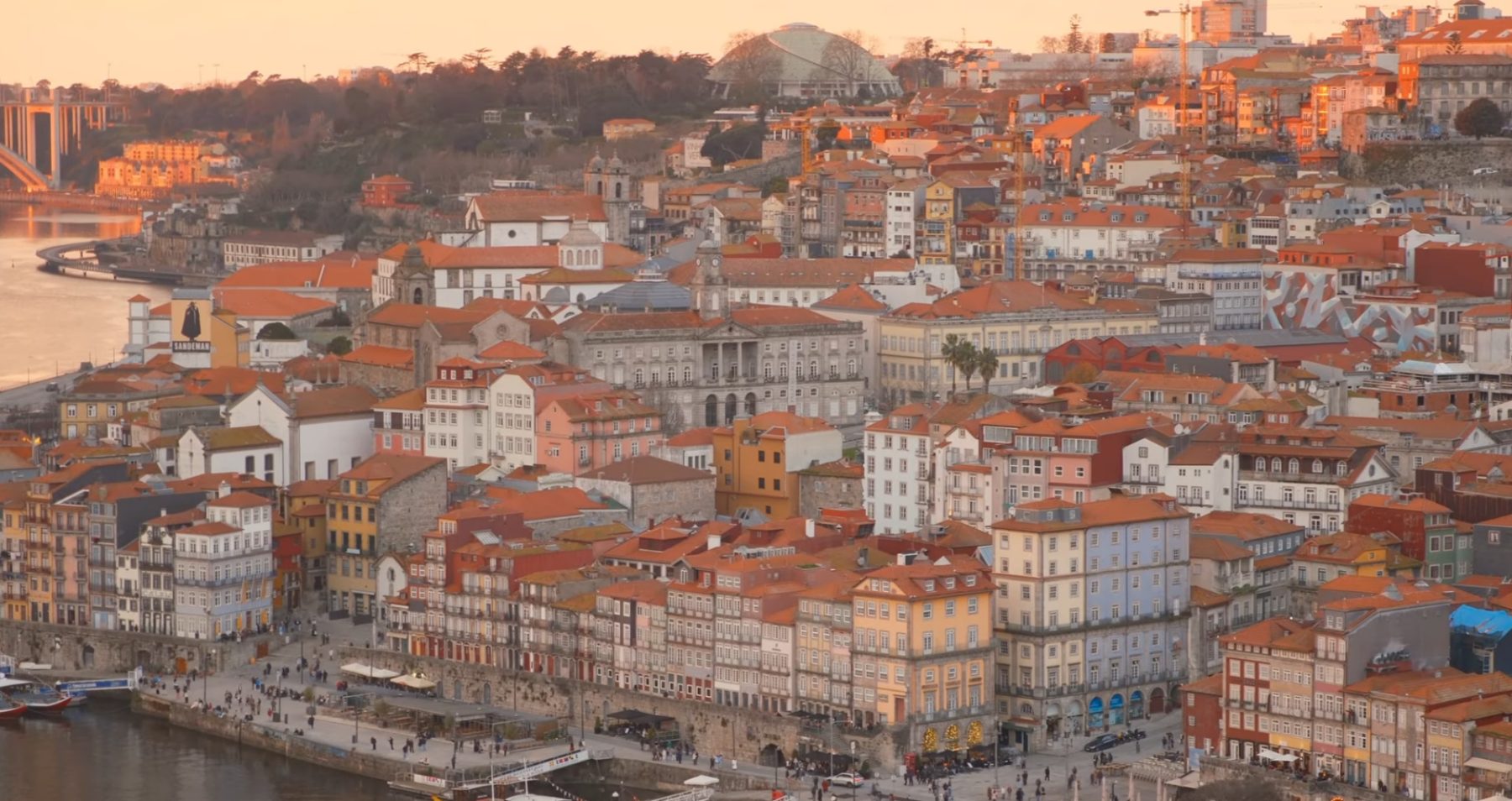
The first thing that hits you in Porto is not the wine. It is the air off the Atlantic, the screech of tram brakes somewhere above you, the Douro throwing light back at the bridge in hard flashes. Then you cross into Vila Nova de Gaia, the streets pitch upward, the lodges darken, and the smell shifts. Damp stone. Old wood. Spirit lifting out of old casks. That is the moment Port stops being an idea and starts feeling physical.
This is the guide I wanted before booking anything myself. Not another polished roundup built on the same tourist script, but a grounded look at the best port wine tours in Porto based on what these experiences are actually like once your shoes hit the pavement: how far you walk, where the hills start to drag, which tastings feel serious, which cellars still have some soul, and which tours make sense only if your tolerance for stairs, heat, and crowds is high.
When Porto’s Port Cellars Feel Best, and What You’ll Actually Spend
Our Methodology
We looked at these tours the way experienced travelers actually move through Porto: live pricing, cellar format, walking strain, tasting quality, and whether the whole thing felt tied to Portuguese wine culture or built for volume. I kept gravitating toward lodges and guided formats that taught something useful about Port, Douro grapes, and ageing in cask rather than handing over a glass and calling it a day.
For most travelers, the practical answer is simpler than the marketing makes it sound. The strongest Porto Port experiences are usually not all-day vineyard pilgrimages. They are cellar visits in Gaia, compact and easy to slot into a city day, often reached in 10 to 15 minutes on foot from central Porto, though places like Taylor’s and Graham’s ask more of your legs. And Porto does ask. A lot, once the hills catch up with you.
Why the Douro Still Sits Inside Every Glass Poured in Gaia
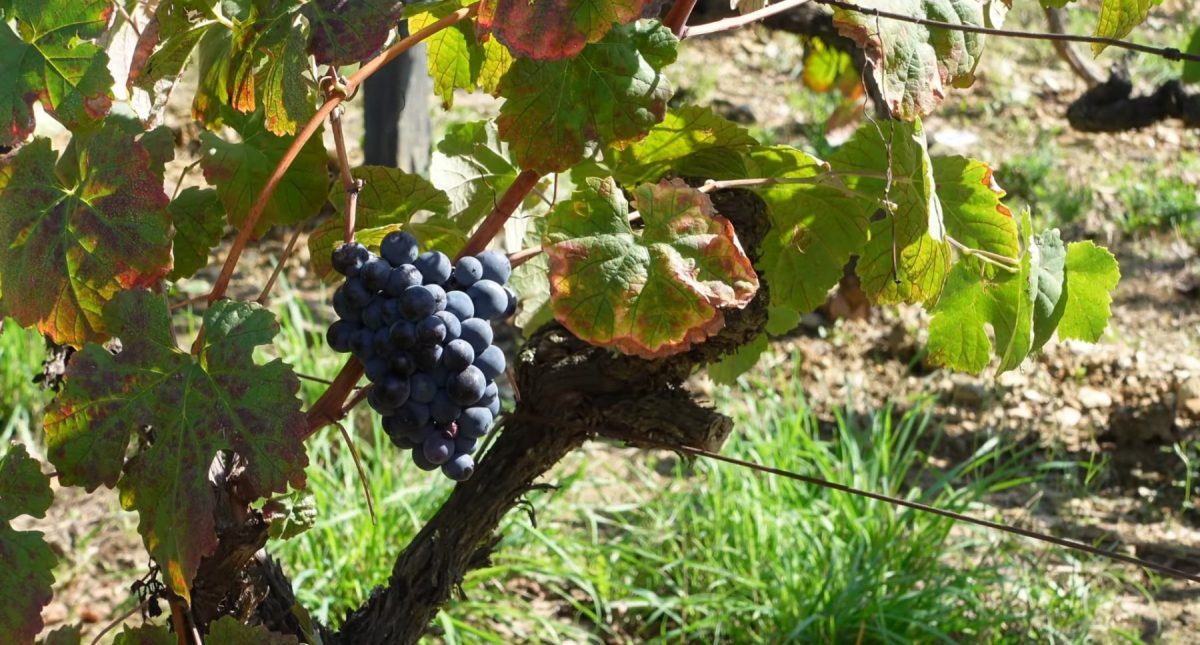
Port may be tasted in Gaia, but it is born in the Douro Valley, and that distinction matters if you care about terroir beyond brochure language. The wines poured in these lodges come from steep vineyards carved into schist-heavy slopes upriver, where heat, poor soils, and brutal exposure force concentration. Touriga Nacional gives shape and lift. Touriga Franca adds perfume and texture. Tinta Roriz pushes in body and darker fruit. The raw material has to stand up to fortification without falling apart, and when it works, you get a wine with structure instead of syrup.
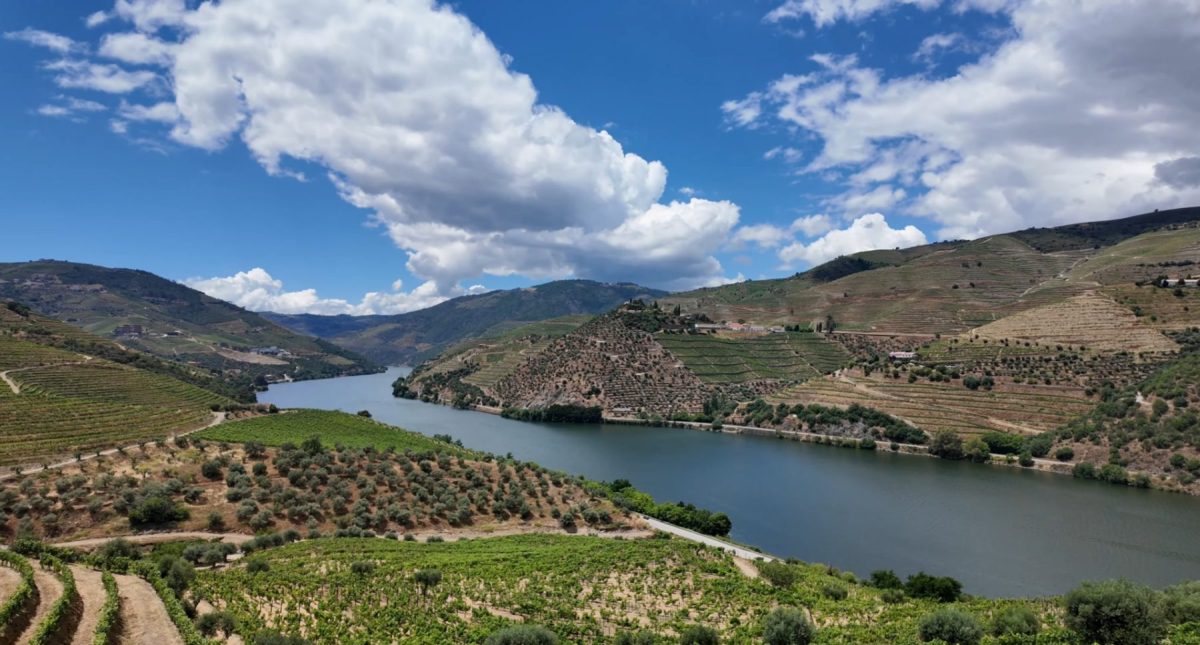
There is a historical split here that still trips people up. The Douro produced the wine. Gaia became the place for ageing, blending, storage, and export because the coast made trade easier and maturation steadier. I think that old divide is one of the most useful things to understand before booking a Porto Portugal port wine tour. Porto gives you the city drama. Gaia gives you the lodges. The Douro is still sitting in the glass.
Myth vs. Reality
A common misconception is that Port is made in Porto itself. The truth is less tidy and much more interesting: the grapes are grown and vinified in the Douro Valley, while Gaia’s historic lodges became the place for maturation, storage, blending, and export.
A guide in Gaia said something to me that stuck.
“Port is not just a sweet wine. It is the Douro after time, wood, and patience have had their turn.”
- Touriga Nacional is the structural spine, with the kind of aromatic lift that keeps richer blends from dragging.
- Touriga Franca often brings the perfume and flesh people notice before they know the grape name.
- Tinta Roriz adds grip, darker fruit, and a bit of authority.
- Rabelo boats once hauled young Port downriver from the Douro to Gaia.
- Francesinha still makes sense after a tasting, even if it feels like an outrageous lunch before one.
Seven Porto Port Wine Tours Compared Without the Marketing Gloss
| Tour Name | Best For (Traveler Profile) | Primary Region / Focus |
|---|---|---|
| Taylor’s Port Cellars Self-Guided Audio Visit & 3-Port Tasting | Independent first-time Port drinkers | Historic Gaia lodge with flexible self-guided format |
| Graham’s Port Lodge Tour with Premium Wine Tastings | Travelers wanting a polished premium cellar experience | Upper Gaia lodge with panoramic views and higher-end tastings |
| Cálem Cellar Tour, Live Fado Show & Port Tasting | Couples and first-night visitors wanting culture plus wine | Gaia riverfront cellar with short guided visit and evening performance |
| Burmester Classic Cellar Visit & Tasting | Travelers wanting convenience near the bridge | Central Gaia cellar with classic guided format |
| Poças Guided Visit & 3-Port Tasting | Visitors seeking a family-owned Portuguese house | Working Gaia cellar with quieter, more intimate identity |
| C&D Porto Tours Port Cellar Visit & 4-Port Tasting | Value-focused travelers wanting a small-group feel | Traditional Gaia cellar with education-forward tasting |
| Eating Europe “A Morning in Porto” Food & Port Wine Tour | Travelers who want food culture and Port in one experience | Porto and Gaia walking route with cellar visit and four-Port tasting |
The One Porto Port Tour I’d Put First
1. Taylor’s Port Cellars Self-Guided Audio Visit & 3-Port Tasting
Ideal for: First-time Port drinkers who want a polished, flexible visit without being dragged through a rigid group route. Skip this if: You dislike uphill walks or you want a live guide talking at you the entire time.
Taylor’s takes the top spot because it gets one thing right that a lot of Porto experiences still miss: people do not always want to move in a pack. The lodge gives you history, strong context, and a tasting that feels like a tasting rather than a souvenir checkpoint, all without forcing you into a fixed rhythm. You move through the cellar on your own terms, take in the production story, and finish with three Ports in a courtyard setting that feels relaxed instead of processed.
What I liked most was the balance. The wines are serious enough. The educational side is well judged. The place carries its age honestly—old lodge, old brand, old cask culture—without becoming stiff or overproduced. And the 1 to 2 hour format is useful. That matters more than people admit when Porto is already eating up your energy with cobbles, stairs, bridge crossings, and heat bouncing off the stone.
“Most people think they need a bus to understand Port,” one local guide told me. “Usually they need one good cellar, one good explanation, and shoes that won’t betray them on the hill.”
- Flexible self-guided format suits independent travelers far better than a rushed group circuit.
- Strong educational layer on Douro geography, ageing, and Port production.
- The three-wine tasting includes white, LBV, and 10-year tawny, which gives the visit real shape.
- The final stretch is uphill from the main Gaia strip, and you feel it.
- Food and extras add to the cost faster than the entry price suggests.
Six More Porto Port Wine Tours That Deserve a Proper Look
2. Graham’s Port Lodge Tour with Premium Wine Tastings
Ideal for: Travelers who want a more elevated lodge experience with views, calm, and a tasting room that feels like it takes itself seriously. Skip this if: You are chasing the lowest price in town or cannot be bothered with a taxi or a longer uphill push.
Graham’s feels adult. That is the cleanest way to put it. The 1890 lodge sits above the river, and that bit of elevation changes everything: fewer crowds, broader views, less noise, more focus. I would rather send someone here for one excellent visit than watch them stack two or three weaker cellar stops just because they are closer together.
The pairings also make sense here. You are looking at €30 for entry-level visits, then €40 and upward for stronger formats—well, closer to €60 to €70 once you move into more ambitious flights—but at least the structure holds up. The downside is obvious. It is less spontaneous, less convenient, and not what I would choose after a long day wandering Porto in summer.
- The panorama over Porto is one of the best attached to any lodge visit in Gaia.
- Pairings and premium tiers feel thought through rather than tacked on.
- Guide quality is consistently strong, and the whole operation runs with confidence.
- It takes more effort to reach than the riverfront lodges.
- The pricing starts above the casual cellar tier before you add any upgrades.
3. Cálem Cellar Tour, Live Fado Show & Port Tasting
Ideal for: Couples and first-night visitors who want culture and Port wrapped into one easy evening. Skip this if: You are hoping for a deep cellar study or a tasting built for serious comparison.
Cálem is not trying to be a scholar’s tasting, and honestly, it is better for knowing that. The cellar segment is short, then the evening shifts into live Fado with Port served during the performance. It works because the experience is built around atmosphere, rhythm, and emotion rather than extraction of maximum technical detail from every pour.
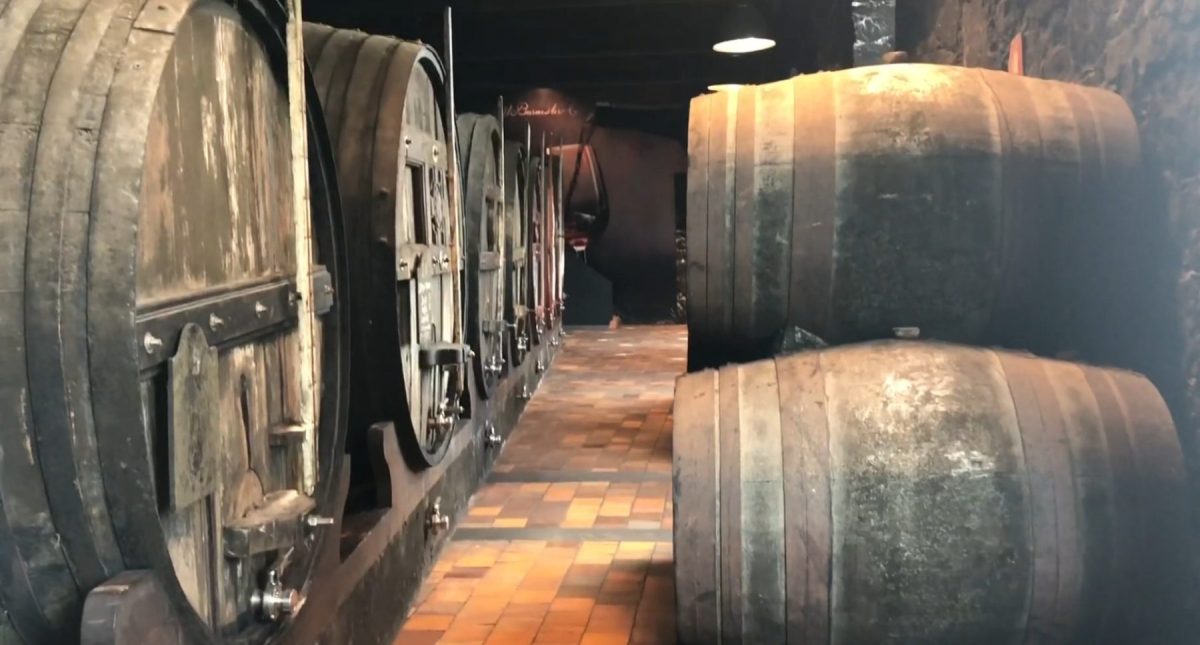
At 75 minutes and around €28 to €33, it is an easy fit in a Porto itinerary. Just do not book it expecting some profound lesson in lagares, cask ageing, and Douro exposition. Book it because you want an evening that feels local, slightly theatrical, and easy to enjoy after a day on your feet.
- Good value if you want live music and Port together in one booking.
- The location near the Gaia riverfront is very easy to work into a city evening.
- The format is compact enough that it does not hijack dinner plans.
- The cellar visit is brief, and there is no point pretending otherwise.
- The cultural side outweighs tasting depth.
4. Burmester Classic Cellar Visit & Tasting
Ideal for: Travelers who want an easy cellar stop close to the bridge and Gaia’s waterfront traffic flow. Skip this if: You are after a quieter, more tucked-away lodge experience.
Burmester scores well on convenience, and sometimes convenience is the deciding factor. It is one of the easiest cellar visits to slot into a day built around Ribeira, the bridge, and the Gaia promenade, especially if you are not in the mood for one more long uphill detour. The classic format stays familiar: guided cellar visit, then a tasting of two or three Ports, with better upgrade options if you want more than the basics.
I would not call it the most atmospheric lodge in Porto. I would call it useful, well placed, and honest about what it offers. There is value in that. Plenty, when your day already has enough friction in it.
- The location near the bridge makes it one of the easiest cellar stops in Gaia.
- Upgrade paths into stronger tawny tastings are clearly set out.
- It fits neatly into shorter Porto itineraries.
- The immediate area can feel tourist-heavy.
- The entry-level format is competent, though not the one I would call most memorable.
5. Poças Guided Visit & 3-Port Tasting
Ideal for: Travelers who would rather spend time with a family-owned Portuguese house than chase only the biggest names. Skip this if: You care more about famous labels and postcard views than producer character.
Poças has a quieter confidence than some of the more famous lodges. The cellar feels less staged, more like a place where work still matters, and the family-owned identity changes the tone from the start. I liked that. The visit stays focused on the wines, the old stocks, the cellar itself, and the way Port matures over time without turning the whole thing into a show.
At 1 hour 30 minutes, it gives enough space for questions and enough time to settle into the tasting. It is not flashy, and that is exactly why some travelers will prefer it.
- The family-owned identity gives the visit a more intimate tone.
- The pacing leaves room for questions instead of rushing everyone through.
- €25 is a fair entry point for this kind of producer-led experience.
- The setting is less dramatic than the higher-view premium lodges.
- It is not the obvious pick if location convenience is your only concern.
6. C&D Porto Tours Port Cellar Visit & 4-Port Tasting
Ideal for: Value-focused travelers who want a smaller, more direct tasting with solid explanation behind it. Skip this if: You want one of the headline cellar brands people name-drop at dinner.
This is the sharp-value option in the lineup. In 1.5 hours, with four Ports and a guided explanation of ageing methods, barrel sizes, and style differences, it gives people more to work with than plenty of pricier entry visits. The experience is not built around grandeur. It is built around usefulness.
I would steer practical travelers here without hesitation, especially anyone staying near Gaia who wants one efficient session without the prestige markup. The tradeoff is obvious. You are not coming for a famous façade or a brand with three centuries of export mythology. You are coming to taste properly and learn something.
- The price-to-content ratio is very strong at about €20.33.
- The small-group feel avoids the conveyor-belt mood common at larger lodges.
- Four Ports give the tasting more shape than many entry-level tours.
- There is less brand recognition than at Taylor’s, Graham’s, or Sandeman-style historic houses.
- The architecture and setting matter less here than the tasting itself.
7. Eating Europe “A Morning in Porto” Food & Port Wine Tour
Ideal for: Travelers who care as much about Porto’s food culture as the Port in the glass. Skip this if: You only want cellar time and do not want a 3.5 to 4-hour walking commitment.
This is the broadest experience on the list, and for some people it will be the smartest booking of all. You move through Porto and Gaia with food stops, local drinks, and a behind-the-scenes visit to Portugal’s oldest working Port cellar, finishing with a four-Port tasting. The mood is social, generous, and more filling than many travelers expect. Good. Porto is not a city that rewards timid appetites.
At €79 with a maximum of 10 travelers, it costs more than a standard cellar visit—fairly so, I think, given what it replaces over the course of a morning. It is part tasting, part food walk, part city primer. The only real warning is hunger. Come ready to eat.
“Port lands better after salt, bread, and something hot,” a local host told me. “That is how people here actually drink, not standing around with an empty stomach and one tiny pour.”
- It combines food culture and Port heritage in a way most cellar tours do not even attempt.
- The cap of 10 travelers keeps the pace personal.
- The format is generous enough to replace a meal and add real city context.
- The price is higher than a pure cellar visit.
- It is a weaker fit for light eaters or travelers with complicated dietary restrictions.
Porto Logistics That Matter More Than People Think
Insider Insight
Book ahead for June through September, and wear shoes with grip. This matters because Porto-to-Gaia Port touring looks easy on a map, but the cobbles, bridge approaches, and the short uphill grind to places like Taylor’s and Graham’s get a lot less charming once you have already had one or two tastings.
The biggest logistical mistake in Porto is underestimating how physical a “quick” tasting day becomes. Yes, the main Gaia cellars are only about 10 minutes from Ribeira on foot, and roughly 10 to 15 minutes from the São Bento and cathedral side. Then you add heat, one more bridge crossing, a steeper lodge, sweet fortified wine, and maybe that extra tasting you did not need. Suddenly the day feels badly planned. I would absolutely budget for a short taxi back from upper Gaia if you are stacking visits.
- Reserve ahead in June, July, August, and September.
- Wear shoes with grip for cobbles, bridge ramps, and slick stone steps.
- Budget for a taxi back after upper-Gaia tastings if your legs are done.
- Do one serious cellar or two short contrasting visits, not a marathon.
Questions Smart Travelers Ask Before Booking a Porto Portugal Port Wine Tour
Do Porto port-wine tours actually visit vineyards?
Usually no. Most city-based Port tours focus on the ageing lodges in Gaia rather than vineyard estates in the Douro Valley, so if you want actual vines and quintas, you need a separate Douro day trip or an overnight stay.
How many cellar tours should I do in one day?
One serious lodge visit or two shorter contrasting tastings is usually enough. Port is sweet, fortified, and more fatiguing on the palate than many travelers expect after the second or third stop.
Can I walk from Porto to the cellars in Gaia?
Yes. The main riverfront lodges are generally 10 to 15 minutes on foot from central Porto approaches, though places like Taylor’s and Graham’s involve a steeper last stretch and make much more sense with a short taxi if you are already tired.
What is a realistic budget for a good Port experience in Porto?
A good basic cellar visit usually lands around €22 to €35, stronger premium sessions run about €40 to €70, and food-plus-Port experiences start at €79. Entry-level access can fall to around €14 to €17, though those simpler formats are rarely the most memorable.
Is September the best month for Porto Port tours?
September is the strongest single month for wine atmosphere because harvest is active in the Douro and the weather usually behaves better than in peak summer. May is often the easier choice if you want lighter crowd pressure and a smoother shot at reservations.
Where Porto’s Port Cellars Send You Next
The best Port wine tours in Porto are not interchangeable, and that is exactly the point. Some are built for first-time drinkers, some for people who want proper tasting structure, some for travelers who want Fado in the background, and some for those who care just as much about food as fortified wine. Pick honestly. Porto rewards that kind of honesty. Once you understand how schist, rabelo history, Douro fruit, and old cask ageing fit together, it gets very easy to start thinking about whatever comes next—mineral whites elsewhere in Europe, volcanic vineyards on Atlantic islands, another cellar where the air smells of old wood and spirit before the first glass even lands.