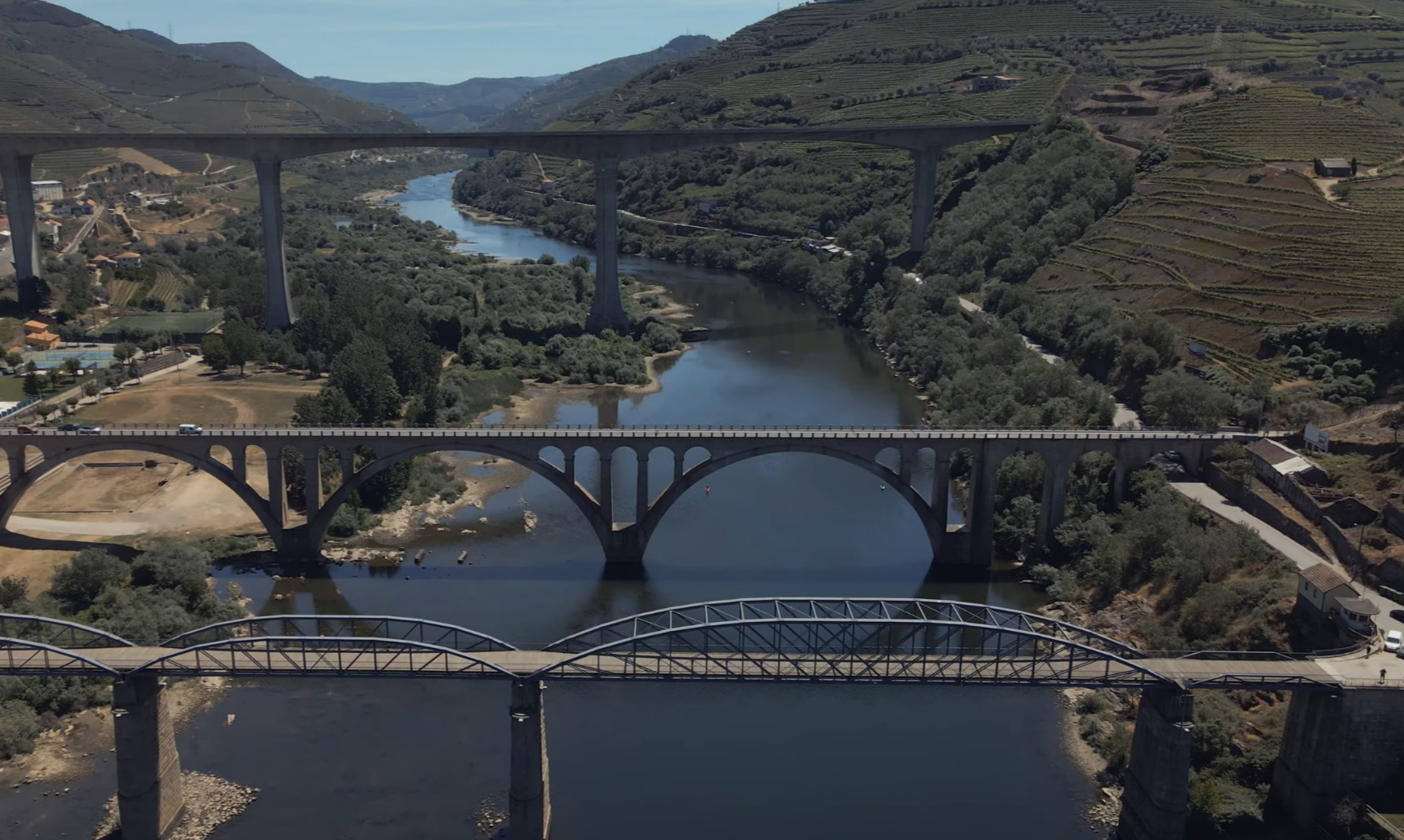
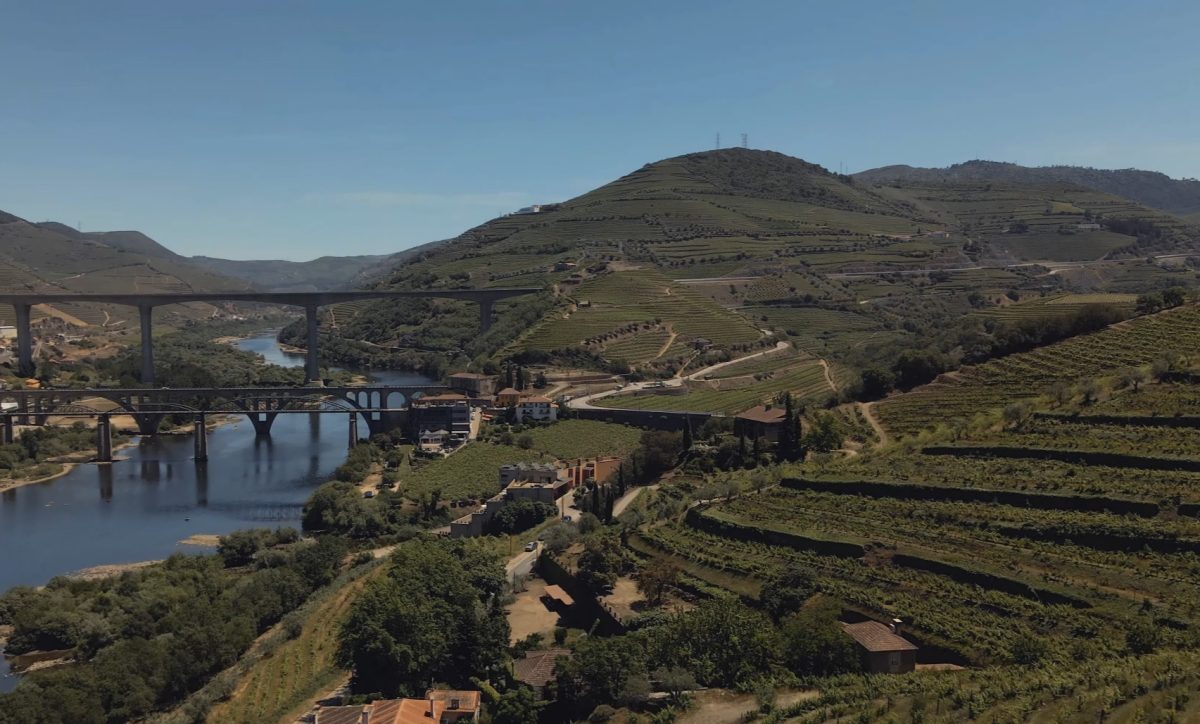
The road out of Porto plays it cool at first. Concrete, roundabouts, morning glare on the windscreen. Then the Douro starts to tighten around you: slopes cut into terraces, vines clinging to fractured schist, a river below doing its slow silver thing as if it has all day. Step into a cellar and the air changes again. Damp stone. Old barrels. Grape skins. That faint coolness you only get in places where wine has been resting longer than your holiday plans.
A good Douro Valley small group tour with wine tasting is not just a van ride with lunch and a few polite pours. It is a pacing problem. Too many people and the valley becomes scenery through glass. Too rushed and Pinhão turns into a quick photo, a cruise ticket, and tannins you barely had time to notice. I think the best tours are the ones that let the Douro feel slightly inconvenient: the bends in the road, the heat on the terraces, the awkward gravel under your shoes. That is where the place starts to speak.
Small-Group Douro Timing, Prices, and Tour Style Without the Brochure Gloss
Our Methodology
We judged these tours the way I would judge a serious tasting: not by the gloss of the tasting room, but by the quality of the quintas, the pacing, the guide’s command of Portuguese wine, and whether the day gave the valley room to breathe. Commercial cellar stops, vague “small group” wording, and rushed lunch-cruise formulas lost points fast.
Schist, Heat, and Touriga Nacional: Why the Douro Tastes Like It Does
The Alto Douro is not gentle wine country. It has muscle. The terraces, the socalcos, climb in hard lines above the river, and the schist under the vines breaks into sharp plates that hold heat, shed water, and force roots deep into the slope. When we walked the vineyard rows near Pinhão, the ground cracked underfoot with that dry, papery crunch I always associate with serious inland Portuguese reds. No soft-focus romance. Just work, stone, sun.
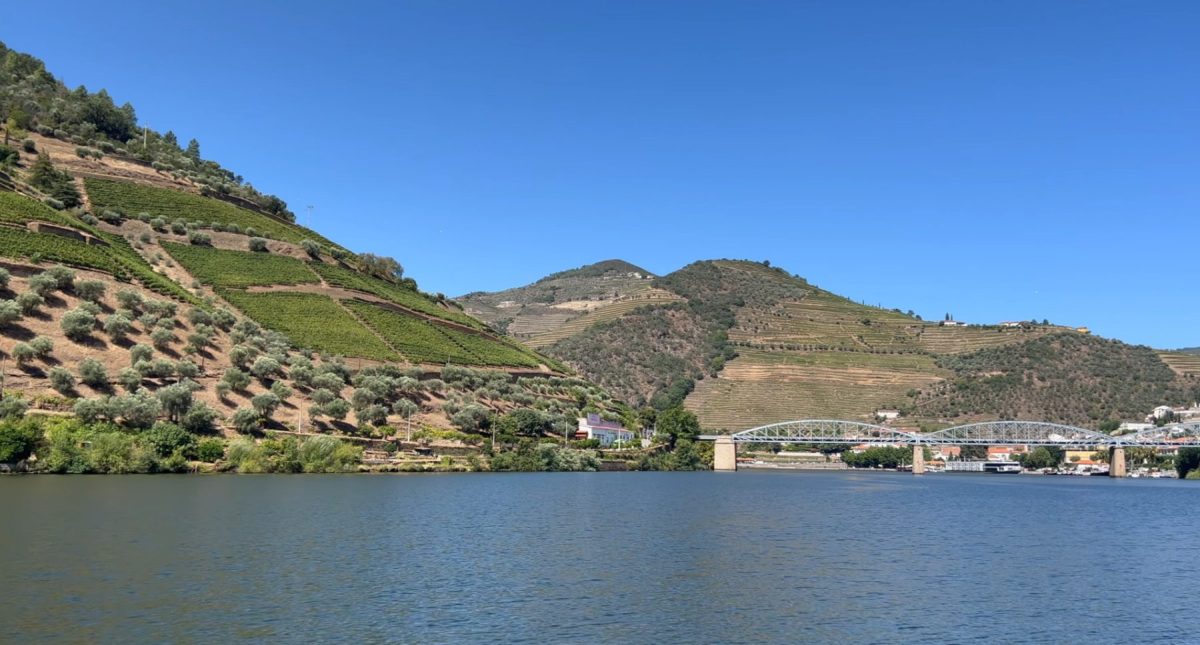
The wines make more sense once you stand there sweating a little. Touriga Nacional draws perfume and structure from these slopes; Touriga Franca brings volume; Tinta Roriz adds a firmer, darker edge. Hot summers push ripeness, but the poor schist soils keep the fruit from going slack. One glass can move from black plum and violet to a dry mineral grip, then the Port arrives with fig, cocoa, and barrel sweetness. Different mood. Same valley.
A few local words matter before you book. A quinta is an estate, not a decorative stop for tourists. A Rabelo boat is the old flat-bottomed river craft once used to move Port barrels down toward Vila Nova de Gaia, though most tours now give you a scenic 45-minute, 50-minute, or 1-hour version from Pinhão. Schist is the stone. Lagares are the old granite treading tanks you may still see referenced in more traditional Port production. Keep those words in your pocket; they help you spot the difference between a real wine day and a generic countryside loop.
Myth vs. Reality
A common misconception is that a Douro wine tour means sweet Port all day. The better small-group tours now pour both Port and DOC Douro still wines, which matters because the valley’s modern dry reds and whites are not side notes; they are the reason many sommeliers have stopped treating the Douro as only a fortified-wine region.
“The wine starts on the slope, not in the tasting room,” a Douro guide told us above Pinhão, tapping the schist with his boot. “If the vine has an easy life, the glass gets boring.”
Side-by-Side Comparison of Small-Group Douro Wine Tours That Actually Fit the Brief
| Tour Name | Best For (Traveler Profile) | Primary Region / Focus |
|---|---|---|
| Max-8 Douro Valley Small-Group Tour with 2 Wineries, Lunch, and 50-Minute Pinhão Rabelo Cruise | First-time Douro visitors who want the classic Porto day-trip formula without a large coach | Pinhão, 2 wineries, Port and DOC Douro wines, short river cruise |
| Cooltour Oporto Douro Valley Wine Tour from Porto with Family-Run Wineries and Small-Group Minivan | Travelers who want a personal, local-operator feel with a maximum 8-person format | Family-run wineries, regional food, river cruise, Porto departure |
| Living Tours Douro Small Group Premium with 2 Port Wine Estates, 6 Tastings, Winery Lunch, and 1-Hour Rabelo Cruise | Travelers who want a structured premium package with pickup and clear inclusions | 2 Port wine estates, 6 tastings, DOC Douro lunch, 1-hour cruise |
| Standard Douro Wine Tour with 2 Wineries, Family-Run Lunch, 45-Minute Pinhão Cruise, and Air-Conditioned Minibus | Value-focused travelers who want the full Douro package at a lower price | 2 wineries, lunch, 45-minute cruise, efficient group logistics |
| Premium Small-Group Douro Wine Tour with 8-Seat Minivan, 3-Course Lunch, 2 Premium Wineries, and 45-Minute Cruise | Travelers who want hotel pickup, dietary flexibility, and polished small-group logistics | 2 premium wineries, 3-course lunch, Pinhão cruise, hotel pickup |
| Portugal Excellence Small-Group Douro Tour with Quinta da Roêda, Cheese Pairing, Lunch, and River Cruise | Travelers who want a named estate stop and Port heritage framing | Quinta da Roêda, cheese pairing, Port production, river cruise |
| Douro Wine-Lover Small-Group Tour with 3 Vineyard Visits, Multiple Tastings, and Winery Lunch | Wine-first travelers who prefer tasting depth over a cruise-heavy day | 3 vineyard visits, multiple tastings, winery lunch, denser wine schedule |
The Best Overall Choice for a First Douro Small-Group Wine Day
1. Max-8 Douro Valley Small-Group Tour with 2 Wineries, Lunch, and 50-Minute Pinhão Rabelo Cruise
Ideal for: First-time Douro visitors who want the classic Porto day-trip formula without a large coach. Skip this if: You dislike long vehicle time, because the day still requires about 3.5 to 4 hours of round-trip driving from Porto to the Pinhão area.
This is the tour shape most people have in their head when they picture the Douro from Porto: early pickup, road bends, vineyard terraces, 2 wineries, lunch, and a 50-minute Rabelo cruise from Pinhão. It wins because it does not overcomplicate the valley. It gives you the right pieces in the right order, then gets out of the way just enough.
The best moment is usually not the first tasting. It is the switch from road to river, when Pinhão appears and the valley suddenly stops feeling like a destination and starts feeling like an amphitheater. Our tasting moved from young DOC Douro red, all dark fruit and dusty grip, into Port with fig and cocoa warmth. Then back outside. Bright water, hard terraces, a little engine noise from the boat. Good enough to silence a van full of talkers.
“From Porto, people think the Douro is a day trip,” a local guide said near the quay. “From here, you understand it is mountain wine country with a river at the bottom.”
- Includes both Port and DOC Douro tastings.
- Uses Pinhão for the river cruise, which gives stronger vineyard scenery than a Porto city cruise.
- Max-8 format gives more guide access than a large bus.
- Viewpoint and winery stops can feel compressed during high season.
- Pinhão cruise is scenic but short, usually 50 minutes rather than a long river journey.
Six More Douro Small-Group Wine Tours Worth Sorting Properly
2. Cooltour Oporto Douro Valley Wine Tour from Porto with Family-Run Wineries and Small-Group Minivan
Ideal for: Travelers who want a highly reviewed, intimate wine day with a local-operator feel and a maximum 8-person format. Skip this if: You want a luxury private tasting sequence; this is still a shared group tour with fixed pacing.
This one appeals because it keeps the scale human. Up to 8 people, a small-group minivan, family-run winery language, regional food, and a river cruise inside a 9-hour day from Porto. That hour count matters more than travelers think. Ten-hour-plus tours can start beautifully and end with everyone checking their phone near Vila Real.
At around €126 per person, this sits in a sweet zone: not cheap-bus territory, not private-driver money. The mood is conversational, and that is useful in the Douro because the best guides explain small things: why one slope bakes while another keeps freshness, why a dry red can taste almost stern beside a generous Port, why lunch in the valley should never feel like a random restaurant stop tacked onto a ticket.
- Strong fit for travelers avoiding big-bus Douro tours.
- Family-run winery positioning gives the itinerary a more regional feel.
- 9-hour format is slightly less exhausting than some 10.5-hour versions.
- Pickup and meeting logistics must be checked carefully because central Porto traffic can affect departure timing.
- A 9-hour day leaves limited slack if winery schedules slip.
3. Living Tours Douro Small Group Premium with 2 Port Wine Estates, 6 Tastings, Winery Lunch, and 1-Hour Rabelo Cruise
Ideal for: Travelers who want a structured, well-known operator, hotel pickup in central Porto or Gaia, and a complete wine-lunch-cruise package. Skip this if: You dislike early starts; the scheduled departure is around 08:30 and the full day lasts about 10 hours.
This is the tidier premium version: comfortable 8-seat minivan, 2 Port wine estates, 6 tastings, a typical local lunch paired with DOC Douro wines, and a 1-hour Rabelo cruise. It is the sort of tour I would suggest to someone who hates ambiguity. The inclusions are clear, the operator is established, and the day has a defined rhythm.
The 1-hour river cruise gives the boat section a bit more dignity than the shorter 45-minute glide. You feel the valley open up instead of simply ticking off the cruise line on the itinerary. The downside is the same thing that makes it easy: structure. You move when the schedule moves. In harvest weeks, when cellars smell of fermenting must and wet grape skins, I always want ten more unscheduled minutes. This tour may not give them to you.
- Clear inclusion of 2 estates and 6 tastings.
- Central Porto or Vila Nova de Gaia pickup coverage is useful for visitors without a rental car.
- The 1-hour Rabelo cruise is longer than the 45-minute versions on some standard tours.
- It is a long day with little independent time.
- Estate selection may be famous Port wine estates, which can feel less boutique than smaller family producers.
4. Standard Douro Wine Tour with 2 Wineries, Family-Run Lunch, 45-Minute Pinhão Cruise, and Air-Conditioned Minibus
Ideal for: Value-focused travelers who want the full Douro package at a lower price than premium max-8 tours. Skip this if: “Small group” means 8 people maximum to you; this type often uses a minibus and can feel less intimate.
At around €99 per person, this is the practical Douro choice, and I mean that without snobbery. You usually get 2 wineries, a family-run winery lunch, 3 tastings at one stop, a 45-minute Pinhão cruise, and another winery with 3 more tastings. In July or August, an air-conditioned minibus is not glamorous. It is mercy.
The strength is coverage. You get the river, the lunch, the tastings, and the valley road without paying the stronger max-8 price. The cost is atmosphere. A larger minibus changes the day’s texture, especially when several groups arrive at an estate close together and everyone is suddenly funneling toward the same counter. Still, for travelers watching the budget, this can be a smart compromise.
- Strong value for 2 wineries, lunch, and cruise.
- Winery lunch with wine pairing is included.
- 45-minute Pinhão cruise covers the key river scenery without consuming half the day.
- Larger minibus format can reduce personal guide attention.
- Hotel pickup and drop-off may be excluded on some standard versions.
5. Premium Small-Group Douro Wine Tour with 8-Seat Minivan, 3-Course Lunch, 2 Premium Wineries, and 45-Minute Cruise
Ideal for: Travelers who want hotel pickup, an English-focused guide, dietary flexibility, and a polished small-group format. Skip this if: You want flexible tasting choices; the wineries and menu are normally prearranged.
This tour is built for comfort, not improvisation. Hotel pickup, an 8-seat minivan, 2 premium wineries, several wine tastings, a 3-course lunch paired with Douro DOC wines, and a 45-minute scenic Pinhão cruise make it a low-friction choice for travelers who do not want to decode Porto meeting points before breakfast.
The small but useful advantage is dietary handling. Vegetarian and gluten-free preferences can usually be managed with advance notice, which matters in rural lunch settings where bread, cheese, olive oil, grilled meat, and slow-cooked dishes dominate the table. I would book this for someone who wants polish and predictability. I would not book it for someone chasing rare bottles from tiny producers.
- Hotel pickup and drop-off reduce friction in Porto.
- Dietary preferences such as vegetarian and gluten-free can be handled with advance notice.
- English-exclusive expert-guide positioning is useful for wine-focused travelers.
- Premium wording does not always mean rare wines or private cellars.
- The 45-minute cruise is relaxing but not a deep river itinerary.
6. Portugal Excellence Small-Group Douro Tour with Quinta da Roêda, Cheese Pairing, Lunch, and River Cruise
Ideal for: Travelers who want a named estate stop and a more personalized small-group experience. Skip this if: You prefer discovering unknown family producers; Quinta da Roêda is a known Port estate, not a hidden garage winery.
The useful thing here is the named estate. Quinta da Roêda gives the itinerary a proper anchor, and in a market full of vague “local winery” promises, that counts. The visit frames Port production clearly, and the Portuguese cheese pairing brings in a salty, creamy counterpoint before the day rolls toward lunch and the river.
Go in with the right expectations. This is a recognizable Port estate, not a tiny cellar with the winemaker rinsing glasses in the corner. For travelers who want heritage, vineyard context, and a cleaner small-group structure, it works. For people chasing obscure dry reds from micro-producers, it may feel too established. Frankly, both reactions are fair.
- Named Quinta da Roêda visit gives the itinerary clearer wine identity.
- Cheese pairing adds a useful regional food element.
- Small-group positioning helps avoid large-coach pacing.
- Estate-led Port focus may be less satisfying for travelers mainly interested in dry Douro reds.
- Fixed estate programming can leave little room for spontaneous vineyard time.
7. Douro Wine-Lover Small-Group Tour with 3 Vineyard Visits, Multiple Tastings, and Winery Lunch
Ideal for: Wine-first travelers who prefer more tasting depth and less emphasis on the boat component. Skip this if: The river cruise is non-negotiable; 3-vineyard formats may reduce or omit the cruise to make room for extra tastings.
This is the densest wine day in the group. Instead of treating the boat ride as sacred, the format pushes toward 3 vineyard visits, multiple tastings, and a winery lunch. For serious tasters, that extra producer comparison can reveal more than another slow loop on the river.
It can also be the easiest one to misread. Three vineyard visits sound generous until you remember the Douro is not flat, not fast, and not built around your schedule. If traffic stalls near Régua or lunch drifts long, the afternoon tightens. Still, for travelers who care about producer differences, tannin structure, lagares, vineyard exposure, and how Port houses relate to modern DOC Douro wines, this is the more satisfying style. Bring focus.
- Better for comparing producers and styles.
- More serious wine value than a cruise-heavy day.
- Good fit for travelers already familiar with Port and wanting DOC Douro wines.
- More tastings can mean less time at viewpoints.
- Three winery stops can feel rushed if traffic or lunch runs long.
Field Notes on Porto Pickups, Quinta Footing, and the Douro’s Unforgiving Heat
Insider Insight
Wear shoes with grip, not smooth city soles. Many Douro quintas involve gravel, stone steps, sloped vineyard paths, or uneven cellar areas, and even “easy” tasting stops can include short climbs around Pinhão and viewpoint terraces.
Check pickup geography before you fall in love with a listing. “Porto hotel pickup” often means central Porto only; Matosinhos, airport hotels, outer Gaia addresses, and hillside apartments may push you toward a meeting point or a surcharge. This sounds boring until you are standing outside before sunrise while the van is waiting near São Bento.
Also, do not rank tours by pour count alone. A tour promising 6 to 8 tastes may still be weaker than a 4-pour tasting with a proper vineyard walk, a guide who understands DOC Douro, and a lineup that shows Port beside still wines. Numbers can flatter a weak itinerary. The slope cannot.
- Pack sunglasses, sunscreen, and a light layer, because cellars can feel cool while vineyard terraces can be brutally exposed.
- Bring water for the vehicle, especially in July and August when the Douro heat sits heavily in the valley.
- Avoid heavy perfume before tastings; it interferes with aromatics in Touriga Nacional, aged Port, and oak-aged reds.
- Confirm whether lunch, hotel pickup, cruise tickets, and winery fees are included before comparing prices.
Small-Group Douro Wine Tour FAQs Smart Travelers Ask Before Booking
Is a Douro Valley small-group wine tour from Porto worth it if I do not drink Port?
Yes, as long as the listing includes DOC Douro wines. Many current tours pour both Port and still Douro wines, so look for wording such as “Port and DOC Douro wines” or “Douro DOC wine pairing” before booking.
How small is “small group” in the Douro tour market?
The stronger small-group products usually cap the group at 8 guests in a minivan, but some lower-priced “small group” tours use a larger minibus. Check whether the listing says “max 8,” “8-seat minivan,” or only “small group.”
Is the boat ride from Porto to the Douro Valley included?
Usually no. Most small-group wine tours drive from Porto to the Douro, then include a short 45-minute, 50-minute, or 1-hour Rabelo cruise from Pinhão. Full Porto-to-Pinhão river cruises are a different, longer product and can last around 12.5 hours.
What is the best month for a Douro small-group wine tour?
September is best for harvest atmosphere, while early October is excellent for autumn color if harvest timing still overlaps. For fewer crowds, late April to June and late October are often more comfortable choices.
Should I take the train instead of a guided small-group tour?
The train from Porto São Bento to Pinhão takes about 2 hours 20 minutes and gives you a scenic ride, but a guided tour solves the harder parts: winery appointments, hillside transfers, lunch logistics, and the safe return to Porto after tastings.
Choosing the Douro Wine Day That Will Not Waste Your One Shot at the Valley
The best Douro Valley small-group tour is the one that respects the region’s physical truth: the drive from Porto, the steep quinta paths, the heat, the fixed estate schedules, and the gap between a scenic tasting and a meaningful one. Choose max-8 if conversation matters. Choose a 3-vineyard format if wine depth matters more than the cruise. Choose the lower-priced minibus only if you understand the tradeoff. The Douro rewards attention and punishes lazy planning. After this, the next obsessions come easily: mineral-driven whites from northern Europe, volcanic vineyards in the Atlantic, high-altitude reds that taste as if the glass has been cut from stone.