
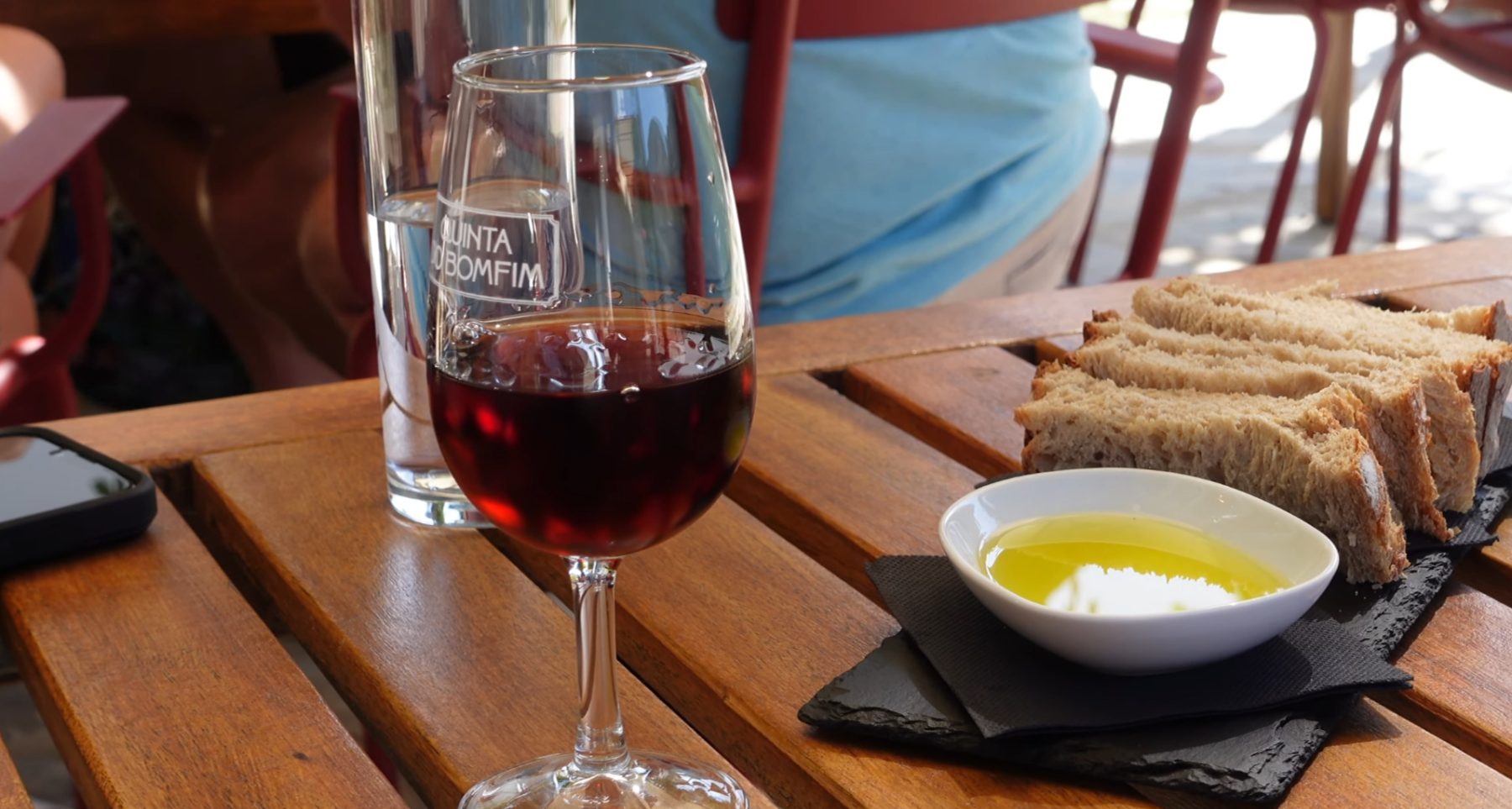
Porto does not introduce itself politely. It comes at you through wet granite, coffee roasting near Bolhão, garlic in a frying pan, and that sweet brown smell leaking from the Port lodges across the river in Vila Nova de Gaia. Then the city starts climbing. One minute you are looking at tiled façades; the next you are holding a tawny Port in a cool cellar where the air smells of damp schist, old wood, and patience.
A good porto food and wine tasting tour should save you from the cheap version of the city: one rushed glass, one pastel de nata, one lazy stop near the river, job done. No. Porto deserves better than that. The best routes connect the plate to the lodge, the lodge to the Douro Valley, and the Douro Valley to vines that spend summer gripping hot stone as if survival were part of the flavor. This review looks at the real choices: Porto and Gaia walking tours, Bolhão Market routes, Port cellar tastings, private food walks, evening petiscos crawls, and the Douro Valley day trips that turn a tasting into a full wine-country commitment.
Porto Wine Tour Timing, Prices, and Walking Style at a Glance
Our Methodology
We judged these tours the way I judge a serious tasting in Portugal: by guide knowledge, food quality, cellar credibility, pacing, and whether the route actually explains the link between Porto, Vila Nova de Gaia, and the Douro. Routes that treated Port as a souvenir-shop pour lost ground fast.
Why Porto’s Food, Gaia’s Cellars, and the Douro Valley Belong in the Same Glass
The wine story starts inland, not beside the river where most visitors first taste it. The Alto Douro has been producing wine for about 2,000 years, and Port moved into international fame in the 18th century after the region was formally regulated in 1756. That is why a glass in Gaia carries more than sweetness and alcohol. It carries heat, distance, barrel work, Atlantic trade, and a fair bit of stubborn Portuguese logistics.
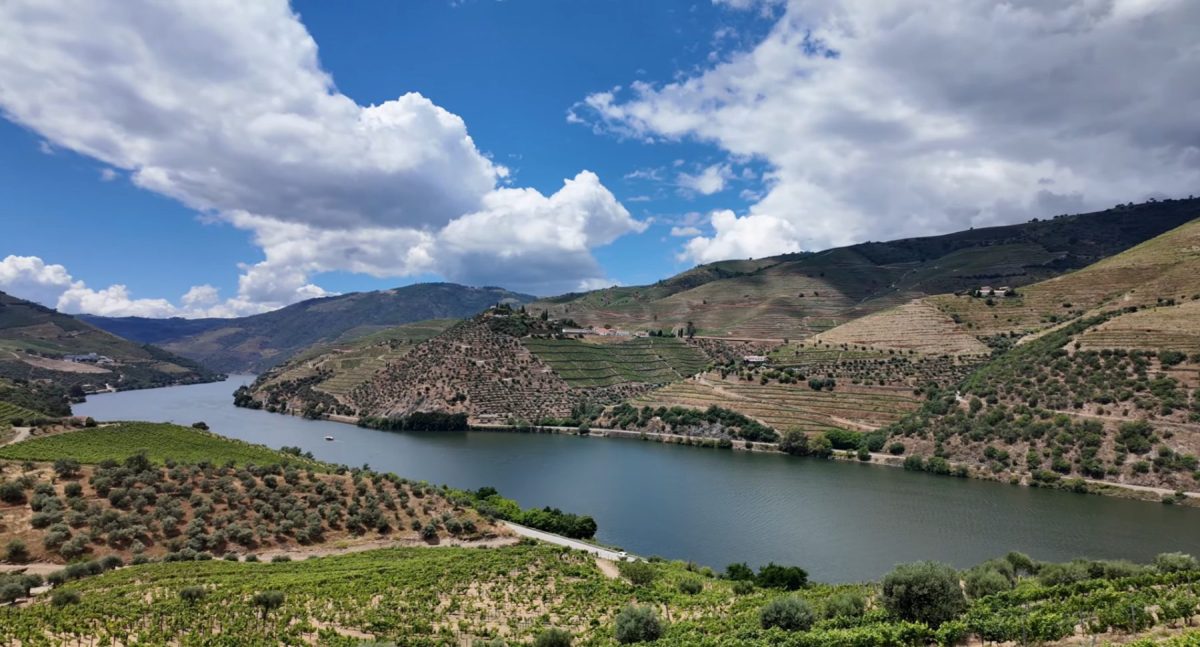
The Douro is not gentle vineyard country. Schist slopes store heat, summers go dry and hard, and Touriga Nacional brings perfume, dark fruit, tannin, and grip when the winemaker does not over-polish it. Porto and Vila Nova de Gaia change the register completely: cooler river air, cellar humidity, rabelo-boat memory, warehouses where casks sit in a brown silence. The vineyard and the city are not rivals. They are a handoff.
Food keeps the tasting from floating away into wine talk. A francesinha is not a “little local sandwich”; it is a full-body event, and frankly I would not book it before dinner unless you enjoy regret. Bolinho de bacalhau gives salt, softness, and frying oil. Bispo leans into almond and egg. A sharp local white cuts through fat, then Port comes in later with pastry, cheese, chocolate, or the strange relief of sitting down after another hill.
No Douro, a vinha sofre primeiro; o vinho agradece depois.
Roughly: in the Douro, the vine suffers first; the wine thanks you later. Romantic, yes. Also close to the truth.
Myth vs. Reality
A common misconception is that Port wine is made in Porto. The cleaner truth: Port is traded, aged, blended, and tasted around Porto and Vila Nova de Gaia, but the grapes come from the Douro Valley inland, where the vineyards do the hard part before Gaia gets the graceful lighting.
Seven Porto Food and Wine Tours Compared by Style, Region, and Traveler Fit
| Tour Name | Best For (Traveler Profile) | Primary Region / Focus |
|---|---|---|
| A Morning in Porto: Food & Port Wine Tour | First-time visitors who want food plus Port cellar access in one compact half-day route | Vila Nova de Gaia, Port cellar, Porto food stops |
| Taste Porto Vintage & Port Wine Food Tour | Travelers who want many tastings and a stronger wine emphasis than a basic market walk | Downtown Porto, Bolhão Market, Portuguese wines, Port tasting |
| Taste Porto Downtown & Bolhão Market Food Tour | Food-focused travelers who want market culture and local dishes | Bolhão Market and downtown Porto |
| Authentic Food and Wine Tour in Porto by Food Lover Tour | Visitors who want a shorter, lively Porto food-and-drink walk | Central Porto, casual food shops, local drinks |
| Porto Food and Local Drinks Evening Tour by Food Lover Tour | Couples, solo travelers, and small groups wanting an evening petiscos crawl | Porto nightlife, petiscos, beer, wine, local drinks |
| Porto Food Tour of 8 Tastings: Custard Tart, Bifana & Hidden Gems | First-timers who want recognizable Porto dishes and English-language logistics | Central Porto food stops and tucked-away tastings |
| Porto Private Food & Wine Walking Tour with Market & Tastings | Couples, families, and higher-budget travelers wanting private pacing | Private Porto market and wine-focused walking route |
The Best Overall Porto Food and Port Wine Tour for First-Time Visitors
1. A Morning in Porto: Food & Port Wine Tour
Ideal for: First-time Porto visitors who want food plus Port cellar access in one compact half-day route. Skip this if: You want quiet vineyard country; this is a Gaia and urban-cellar tour, not a Douro Valley day among the vines.
This is the route that most cleanly answers why people search for a porto wine and food tour in the first place. It gives you Vila Nova de Gaia, a guided Port cellar, traditional food, and that useful movement between Porto’s appetite and Gaia’s wine memory. The format runs about 3.5 hours, with morning departures around 10:00 am and 10:30 am, which is early enough to beat some of the riverfront crush but late enough that Port does not feel completely absurd.
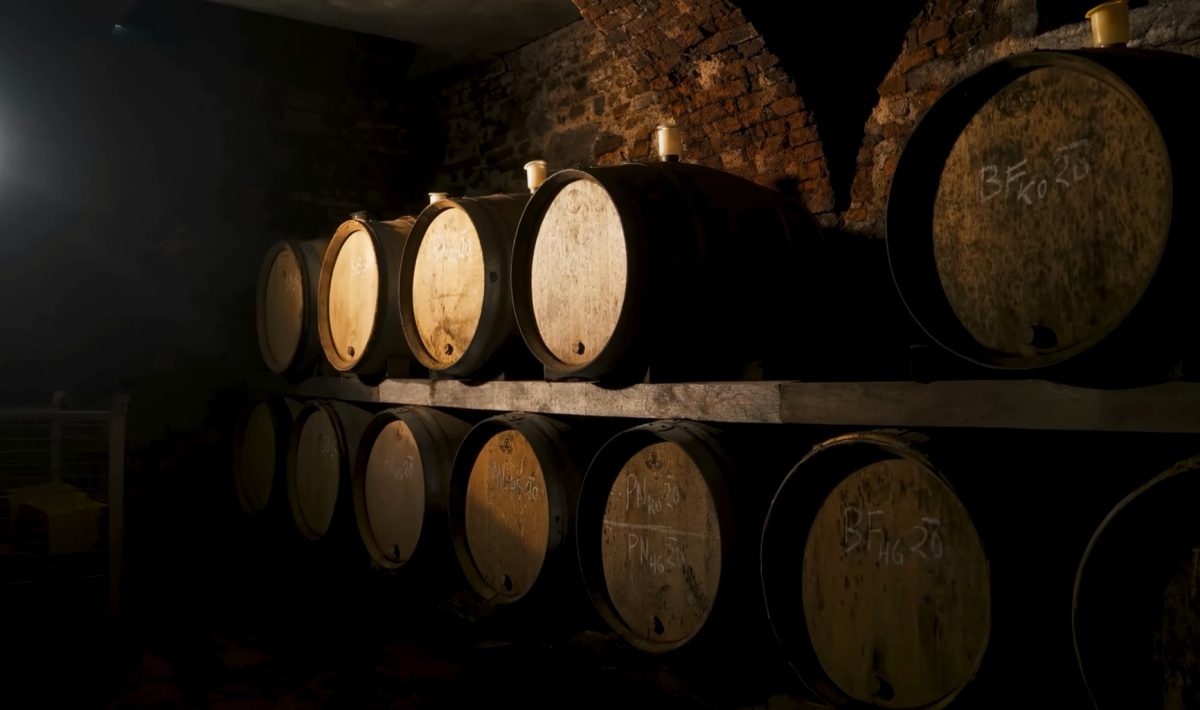
The tasting line-up is not shy: Bispo pastry, codfish fritter, tomato rice, francesinha, coffee, Portuguese beer, white wine, water, and 4 Port tastings. That is not a snack tour. It is lunch with consequences. In the cellar, the city noise drops away. The air cools, the barrels darken the room, and even someone who says they “just like sweet wine” starts to understand why ruby, tawny, LBV, and vintage-style Port should not be thrown into the same bucket.
Porto shows you the appetite; Gaia explains the patience.
What surprised us most was how much this tour depends on rhythm. The food is rich, the wine is fortified, and the terrain has no interest in your new white trainers. Handled well, the route feels generous and anchored. Handled badly, it would turn heavy by the second pour. Here, the structure works because the food, walking, and cellar context keep pulling the experience forward.
- Includes a guided visit to a historic Port cellar with 4 Port wines.
- Strong fit for travelers who want Port education without losing the food angle.
- Food selection feels specific to Porto rather than generic Portuguese tapas.
- Gaia streets can be steep, especially near the lodges and riverfront.
- Morning timing may feel heavy for travelers who do not want francesinha, beer, or fortified wine before midday.
Six More Porto Wine and Food Tours Worth Booking for Different Travelers
2. Taste Porto Vintage & Port Wine Food Tour
Ideal for: Visitors who want a classic Porto food route with many tastings and a stronger wine emphasis than a basic market walk. Skip this if: You want one long seated meal; this is a multi-stop walking route, with all the little interruptions that implies.
This is the numbers-driven choice, and for once the numbers are useful. The route runs for 3.5 hours in downtown Porto, with a brief Bolhão Market stop, 7 family-run tasting locations, 13 food tastings, and 7 beverage tastings, including 6 Portuguese wines. At €89 for adults, it sits in the serious small-group lane without drifting into private-tour pricing.
The mood is local and food-rooted rather than polished to a hotel-lobby shine. Expect counters, family-run places, wine poured with explanation instead of ceremony, and enough variation for the city to start tasting like a sequence: salt, fat, almond, coffee, acidity, fortified sweetness. Bolhão Market gives the route a daily-life pulse; the private-room Port tasting brings it back into wine territory without turning stiff.
- High tasting count with 13 food tastings and 7 beverage tastings.
- Good for travelers who want Portuguese wines beyond only Port.
- Family-run stops create a more grounded feel than hotel-bar tastings.
- Downtown Porto walking can involve cobbles, slopes, and crowded pavements.
- Travelers focused only on Port cellars may prefer a Gaia lodge-heavy itinerary.
3. Taste Porto Downtown & Bolhão Market Food Tour
Ideal for: Food-focused travelers who want Bolhão Market, downtown Porto, and local food culture with wine included but not forced into the center of every stop. Skip this if: Your priority is a Port lodge tour; this is a market-and-downtown food route first.
This is the cleanest option for people who want to understand how Porto eats before asking how it drinks. It runs for 3.5 hours, costs €95 for adults, and moves from Bolhão Market into the downtown area. The structure includes 8 tasting locations, 13 food tastings, and 4 beverage tastings.
The experience feels brighter and more market-led than a Gaia cellar route. You are looking at ingredients, vendor habits, pastries, cured goods, fish, and the practical grammar of Portuguese eating. It is also vegetarian and pescatarian friendly, which matters more than some operators admit in a city where bacalhau, pork, cheese, and meat-heavy sandwiches often dominate the table.
- Bolhão Market gives strong local context.
- Good balance of sweet, savory, and beverage stops.
- Vegetarian and pescatarian-friendly format improves accessibility.
- Market-area routes can feel crowded during peak visitor hours.
- Wine lovers may find 4 beverage tastings less wine-intensive than cellar-focused routes.
4. Authentic Food and Wine Tour in Porto by Food Lover Tour
Ideal for: Travelers who want a shorter, lively Porto food-and-drink walk with a local-host feel. Skip this if: You need a slow, seated, low-walking experience; this is a compact tasting crawl, not a gentle lunch.
At about 3 hours and roughly €72 depending on exchange rate and platform fees, this tour sits in the practical arrival-day zone. Food Lover Tour leans into informal Porto: local food shops, emblematic stops, grilled chouriço energy, and places that feel less manicured for the camera.
The advantage is looseness. You are not here for a deep seminar on oxidative aging or the structure of old tawny Port. You are here for bite-to-bite momentum, a guide who can read the group, and the pleasure of eating in a city that does not always reveal itself neatly. Casual does not mean lazy; in Porto, it can mean closer to the way people actually eat and drink.
- Shorter duration works well for arrival day.
- Strong casual-local tone rather than luxury positioning.
- Good fit for travelers who want food, wine, and conversation without a formal cellar visit.
- Less depth for serious Port-wine study.
- Evening or busy central routes can be noisy and crowded.
5. Porto Food and Local Drinks Evening Tour by Food Lover Tour
Ideal for: Couples, solo travelers, and small groups who want an evening petiscos-and-drinks crawl rather than a daytime market tour. Skip this if: You dislike alcohol-led evening pacing or want to avoid central Porto after dark.
This is Porto in a different register: not market shutters rising, but the city loosening into snacks, glasses, voices, and narrow streets. It runs around 3 hours, with a listed price near €78 depending on exchange rate and platform fees. The typical group size can be up to 10 on Food Lover Tour’s evening-style routes, which is about right. Bigger than that and a food crawl starts feeling like a school trip with wine.
The route is built around petiscos, local drinks, and emblematic places. It suits travelers who do not want to plan bars themselves and would rather let a local set the rhythm. Late-night alcohol-sale restrictions introduced in parts of Porto in 2025 changed casual bottle-shop drinking dynamics, though licensed bars and restaurants remain the relevant tour setting.
- Strong match for travelers who want Porto after dark without planning bars themselves.
- Petiscos format gives more variety than one restaurant dinner.
- Small group cap keeps the social feel manageable.
- Not ideal for families with young children.
- Evening central Porto can be crowded, loud, and less comfortable for travelers wanting a quiet tasting.
6. Porto Food Tour of 8 Tastings: Custard Tart, Bifana & Hidden Gems
Ideal for: Travelers who want a classic Porto tasting walk with recognizable dishes and English-language logistics. Skip this if: You want a premium sommelier-led wine tasting; this is a food-first route with drinks included, not a cellar masterclass.
This 3-hour 30-minute Porto food tour is the safe, readable option: 8 tastings, English-language guidance, custard tart, bifana, and central tucked-away food stops. The price sits around €111 depending on exchange rate and platform fees, so it is not the bargain choice in this market.
Its strength is clarity. Travelers who feel overwhelmed by Porto’s hills, menus, tiled shopfronts, and crowded central streets get a guided frame. The trade-off is obvious to wine people: you may leave wanting more Douro, more Port categories, more cellar air. Still, for a first pass at Porto’s food vocabulary, it does the job.
- Clear English-language booking format.
- Good length for combining food stops with city orientation.
- Recognizable Porto items make it easy for first-timers.
- Less distinctive for travelers already familiar with Portuguese staples.
- Central “tucked-away” food stops may still sit in busy walking zones.
7. Porto Private Food & Wine Walking Tour with Market & Tastings
Ideal for: Couples, families, or higher-budget travelers who want private pacing, market context, and custom attention. Skip this if: Price sensitivity matters; private Porto food-and-wine tours can cost more than double a standard small-group route.
This private 3-hour 30-minute route, priced around €183 depending on exchange rate and platform fees, is for travelers who want control: pace, questions, dietary concerns, and space to talk properly. In Porto, that can matter. A guide who slows before a steep climb or shifts the wine conversation toward your actual level can change the afternoon.
The market-and-tastings format gives it credibility, especially for travelers who want ingredient context before the glass. Private does not mean frictionless, though. Porto still gives you cobbles, tight market aisles, uneven paving, crowded corners, and sudden climbs. Paying more buys flexibility, not a flatter city.
- Best fit for dietary constraints and slower travelers.
- Market format improves local-food credibility.
- Private guide attention helps with wine questions and restaurant follow-up recommendations.
- High cost compared with €69-€95 small-group alternatives.
- Private format does not remove Porto’s slopes, cobbles, tight market aisles, and busy streets.
Porto Walking Logistics: Shoes, Heat, Heavy Food, and Fortified Wine
Insider Insight
Do not book a heavy francesinha route before a tasting dinner. Several Porto food tours compress francesinha, pastry, codfish fritter, tomato rice, beer, wine, and Port into a 3-hour to 3.5-hour window, which behaves like a full meal, not a polite snack crawl.
The mistake I see constantly is people underestimating the city itself. Porto and Gaia are walkable, yes, but they are not soft. A route from central Porto to the Gaia lodges can take only 5-20 minutes on foot, depending on the meeting point, yet that number hides stairs, bridge approaches, polished stone, and heat bouncing off the riverfront.
- Wear shoes with grip for wet stone, cellar floors, market paving, and steep Gaia streets.
- Carry water in July and August, especially for afternoon or evening routes after a day of sightseeing.
- Treat 4 Port tastings as serious alcohol, not miniature desserts.
- Leave dinner flexible after a tour that includes francesinha, pastries, cod fritters, beer, white wine, and Port.
For Douro Valley extensions, the logistics become a different animal. Porto to Pinhão by train takes about 2 hours 20 minutes, while Peso da Régua to Pinhão takes about 24 minutes. Road-based Douro Valley day tours often involve about 90 minutes each way to the first wine area. This is why city food-and-wine tours and Douro vineyard tours should not be compared as if they were two versions of the same afternoon.
Porto Food and Wine Tour Questions Travelers Ask Before Booking
Is a Porto food and wine tasting tour mostly about Port wine?
Not always. City food tours usually combine pastries, cod dishes, bifana or francesinha-style foods, local wines, beer, and sometimes Port. A dedicated Gaia or cellar-led route is more Port-focused because it can include a guided cellar visit and 4 Port tastings.
Do Porto food and wine tours visit the Douro Valley vineyards?
Usually no. Most tours for this topic stay in Porto and Vila Nova de Gaia. Douro Valley vineyard tours are separate day trips, with around 90 minutes by road to the valley or about 2 hours 20 minutes by train from Porto São Bento to Pinhão.
How much should travelers budget for a good Porto food and wine tour?
Budget around €75-€95 for a strong small-group Porto walking food tour, €89-€140+ for food plus stronger Port-wine elements, and €180+ for premium or private formats. Douro Valley food-and-wine day tours from Porto commonly sit around €180-€245 per person for quality shared or small-group versions.
Are these tours suitable for vegetarians?
Some are, but not all. Taste Porto’s Downtown & Bolhão Market Food Tour is marked as vegetarian and pescatarian friendly, while several operators can support vegetarian, seafood-free, fish-free, nut-free, or other dietary needs if disclosed during booking. Porto’s traditional food scene still leans hard on cod, pork, cheese, pastries, and meat sandwiches, so advance notice matters.
What is the best time of day for a Porto food and wine tour?
Morning tours work best for market access, fresher pastry stops, and calmer streets. Evening tours work better for petiscos, beer, wine, and a more social mood, but they can be noisier and more crowded in central Porto. For the best seasonal balance, April-June and September-October are the strongest months, while November, February, and early March are better for avoiding crowds.
Choosing the Right Porto Wine and Food Tour Before the Next Glass
The best porto food and wine tasting tour is not automatically the most expensive one. It is the one that matches your appetite, walking tolerance, curiosity about Port, and desire for either city texture or vineyard distance. Choose Gaia if you want cellars and fortified wine. Choose Bolhão if you want food culture first. Choose private if you need control. Choose the Douro Valley only when you are ready to give the day to the road, the river, and the vines. After Porto, the palate starts wandering on its own: toward the mineral-driven whites of Europe, the volcanic vineyards of island regions, or the next old cellar where the air smells faintly of stone, wood, and time.