
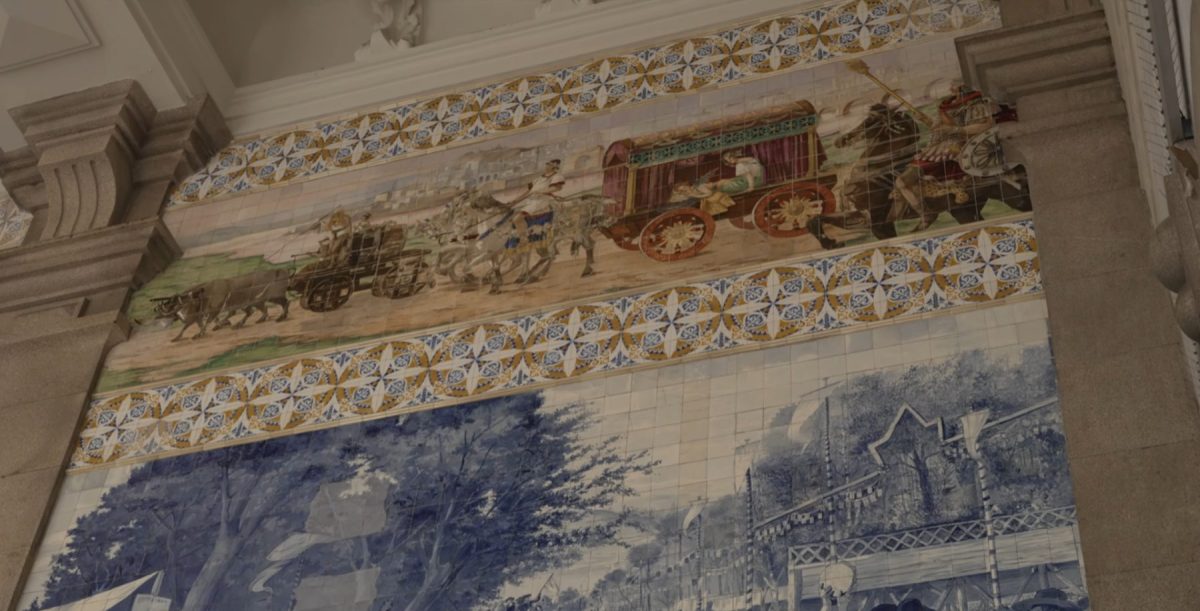
Porto greets you with damp stone before it gives you the postcard. Azulejos flash after morning mist, espresso steam slips out of narrow cafés, and the Douro sits below the city with that dark tidal patience that makes Vila Nova de Gaia feel older than its riverfront signs. Then someone offers you a “train tour, river cruise and wine cellar” ticket, and the language starts to wobble.
This is where travelers get caught. A Porto train tour river cruise & wine cellar experience can mean a short tourist-road-train loop through Porto and Gaia, a Port cellar tasting, and a 1-hour Six Bridges cruise. Or it can mean a slower Douro Valley rail-and-river day, with the Linha do Douro, Régua, Pinhão, Tua, lunch, and a winery visit in the mix. Both can be worth doing. They are not the same animal, and expecting vineyard terraces when you bought a city sightseeing train is how disappointment starts.
Porto Train, Cellar and Cruise Formats: Timing, Prices and What You Actually Get
Our Methodology
We judged these tours by separating Porto’s tourist-train city products from real Douro Valley rail routes, then looking at transport clarity, cellar substance, river time, tasting depth, and whether the inclusions were being sold honestly. I gave more credit to proper Gaia cellar access, real Portuguese wine context, sensible timing, and Douro railway identity than to vague “train and wine” wording.
Gaia Cellars, Douro Railways and the Wine Geography Behind the Ticket
The geography matters because Porto and the Douro are linked, not interchangeable. In Vila Nova de Gaia, the Port lodges tell the story of aging, blending, shipping, and commerce; inland, the Alto Douro explains slope, climate, origin, and grape. Schist terraces push Touriga Nacional and Tinta Roriz toward structure, dark fruit, spice, and grip, while the river corridor softens some of the inland heat. That old route is why barrels once moved downriver toward Gaia on rabelo boats, and why today’s traveler still finds Portuguese wine culture split between cellar city and vineyard valley.
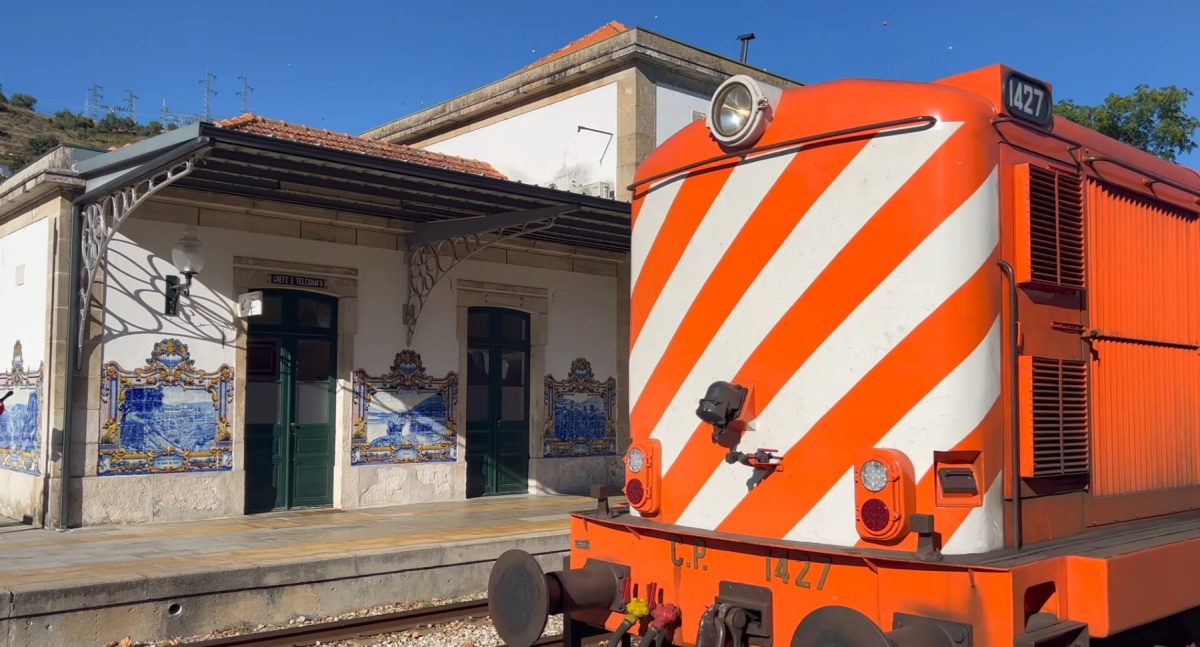
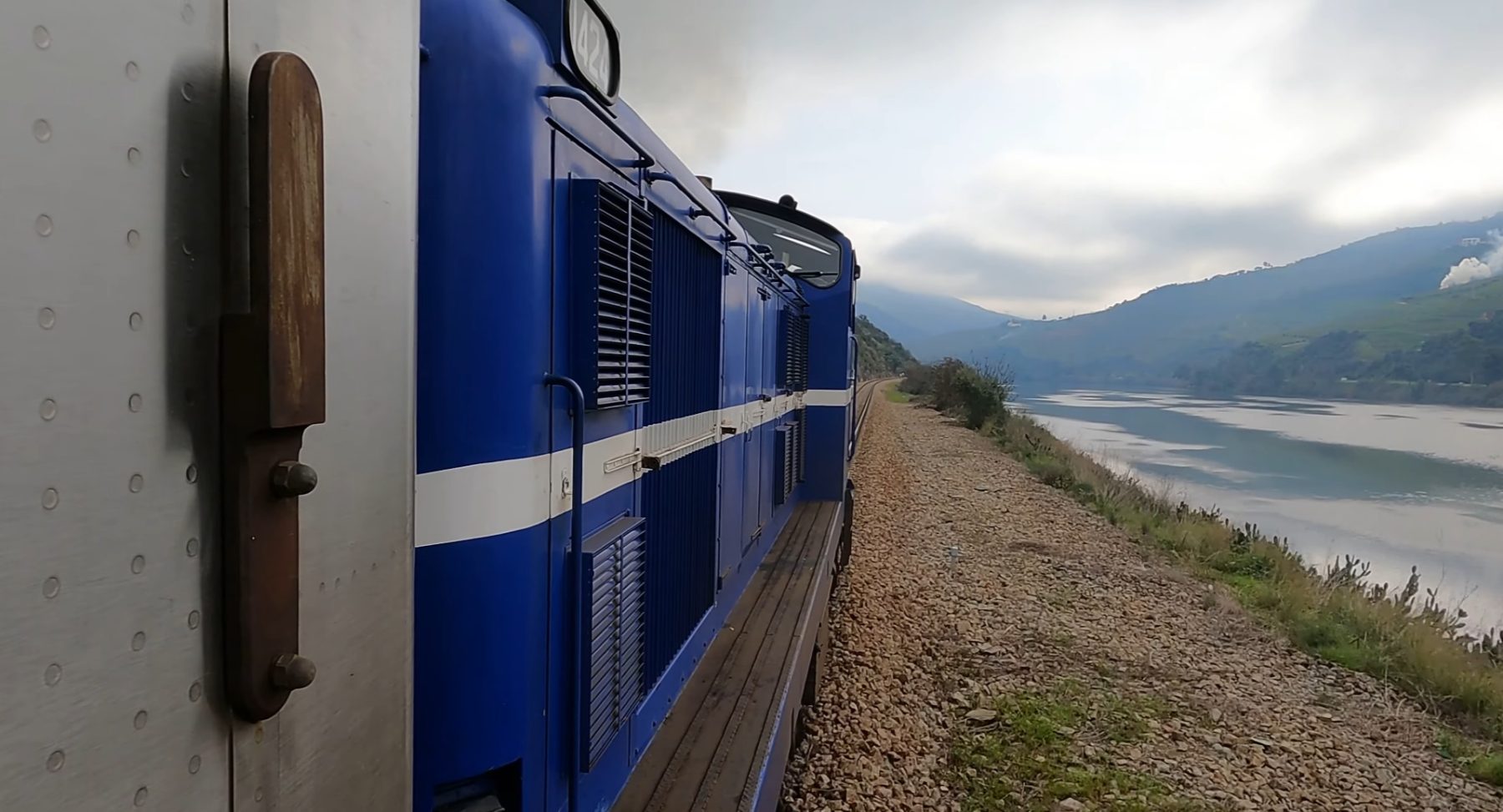
When we stepped into a Gaia cellar, the air cooled quickly. Old wood, spirit, dust, damp stone. That faint sweetness hanging above the barrels. The city version of this tour is about that sensation: Porto above, Gaia below, the river between them. The Douro Valley rail version is a different thing entirely. There the train line bends beside the water, the hills open into terraces, and by Pinhão the valley stops looking decorative and starts feeling like an argument between rock and vine.
O Porto prova-se em Gaia, mas o Douro entende-se no caminho.
“You taste Port in Gaia, but you understand the Douro on the journey.” A guide said that to us with a half-shrug, and honestly, it explains the whole mess better than most tour descriptions.
Myth vs. Reality
A common misconception is that a Porto train tour, river cruise and wine cellar is the same as a Douro Valley vineyard tour. The real difference is blunt: the common Porto city combo is usually a tourist train through Porto and Gaia, a Vila Nova de Gaia Port cellar tasting, and a 1-hour urban Douro cruise, not a trip into the Alto Douro vineyards around Régua or Pinhão.
Seven Porto Train, River Cruise and Wine Cellar Tours Compared by Real Travel Style
| Tour Name | Best For (Traveler Profile) | Primary Region / Focus |
|---|---|---|
| Porto Magic Train, Real Companhia Velha Cellar and Six Bridges River Cruise Combo | First-time Porto visitors who want a low-cost introduction to the city, Gaia Port cellars and the Douro riverfront | Porto and Vila Nova de Gaia, tourist train, Port cellar and 1-hour urban cruise |
| Porto Magic Train and Port Wine Cellar Tasting Without Cruise | Travelers who want the cheapest wine-linked tourist-train experience and do not care about the river cruise | Porto and Gaia tourist train with Port cellar tasting |
| Porto Magic Train and Six Bridges Cruise Without Cellar | Travelers who want light Porto sightseeing and river perspective but plan to book a separate premium cellar tasting | Porto city orientation and Six Bridges cruise |
| Porto to Régua Full-Day Cruise with Train Return and Wine Tasting | Travelers who want a full-day river journey, onboard lunch, dam passages and a lighter wine component | Porto to Régua river cruise, train return and wine tasting |
| Porto to Douro Valley Full-Day Boat, Train and Lunch Tour | Travelers who want the nostalgic transport story of Douro wine moving by boat and train | Douro Valley boat, train, lunch and wine-transport heritage |
| Douro Historic Train, Porto–Régua Cruise, Winery Tasting and Overnight Package | Rail enthusiasts, slow travelers and wine-country visitors who want the historic train rather than a tourist road train | Régua, Pinhão, Tua, historic railway, cruise, winery tasting and overnight stay |
| Independent Porto São Bento to Pinhão Train Day with Local Rabelo Cruise and Cellar or Quinta Tasting | Confident independent travelers who want the scenic Douro railway and prefer to choose their own boat and tasting | Linha do Douro, Pinhão, local rabelo cruise and self-booked tasting |
Best Overall for Most Visitors: The Porto City Combo That Does Exactly What It Promises
1. Porto Magic Train, Real Companhia Velha Cellar and Six Bridges River Cruise Combo
Ideal for: First-time Porto visitors who want a low-cost, low-planning introduction to the city, Gaia Port cellars, and the Douro riverfront. Skip this if: You expect vineyard scenery or Douro Valley terraces; this is an urban Porto and Gaia combo, not a trip to Régua or Pinhão.
This wins for the target topic because it is the cleanest version of what most travelers are actually searching for: tourist train, Port wine cellar, and river cruise in one simple Porto package. It is not a profound wine pilgrimage. Good. It never really claims to be one. At about €35, judged as a compact city product, it makes practical sense.
The route usually begins near Porto’s historic center, often around the cathedral zone, then loops through Porto and Gaia by tourist train. The cellar stop normally takes visitors into Real Companhia Velha, with a short documentary, the old cellar area, and 2 Port wine tastings. After that, the Douro riverfront opens on the Six Bridges cruise, where Porto and Gaia finally make visual sense from the water.
In Gaia, the barrels teach you the business of Port. On the river, you understand why the city was built this way.
The mood is public, simple, and tourist-friendly. No shame in that. The problem comes only when people pretend this is a vineyard excursion. For travelers short on time, it is a tidy way to collect a Port cellar, a river angle, and a city overview without paying day-trip money.
- Very affordable complete package at about €35 for Magic Train, Cave and Cruise.
- Includes a real Port cellar visit and 2 Port wine tastings.
- Works well for travelers with limited time in Porto.
- The train is a tourist road train, not the scenic Linha do Douro railway.
- The cellar tasting is introductory and not designed for serious Port collectors.
Six More Train, River and Wine Cellar Formats Worth Sorting Before Booking
2. Porto Magic Train and Port Wine Cellar Tasting Without Cruise
Ideal for: Travelers who want the cheapest wine-linked tourist-train experience and do not care about the river cruise. Skip this if: The river cruise is part of your core expectation; the cellar-only package does not include the boat ride.
This is the stripped-down wine version: Porto and Gaia by tourist train, then a Port cellar visit. At about €19, it gives enough context to be useful without eating the afternoon. The official cellar experience includes a 15-minute documentary, the old cellar area, and 2 Port wine tastings.
The tasting is light. No point dressing it up. If you are planning a serious Gaia lodge visit later, this may feel thin. If you want a quick Port introduction before lunch or between sightseeing blocks, it does the job and keeps the day loose.
- Lower price point at about €19 for Magic Train and Port Wine Cellar.
- Includes Port tasting without needing to book a separate Gaia lodge tour.
- Easy fit before lunch, after lunch, or between Porto sightseeing blocks.
- No Douro river cruise included.
- Limited tasting depth, usually only 2 Port wines.
3. Porto Magic Train and Six Bridges Cruise Without Cellar
Ideal for: Travelers who want a light Porto sightseeing route and river perspective but plan to book a separate premium cellar tasting. Skip this if: Port wine tasting is mandatory; this version does not include the cellar tasting package.
This one is for the city-and-water crowd, not the tasting-counter crowd. The tourist train gives a surface-level Porto and Gaia loop, then the Six Bridges cruise sharpens the view: Ribeira stacked above the river, Gaia lodges facing the city, ironwork, stone, tile, dark water below.
At about €29, it costs less than the full train-cellar-cruise package. I would choose it only if I had already booked a better Port tasting elsewhere, maybe a tawny-focused session or a vintage Port tasting with proper glassware. Otherwise, skipping the cellar feels like buying the frame and leaving the bottle unopened.
- Cheaper than the full train-cellar-cruise combo, with official pricing around €29.
- Good for travelers who want the river without committing to a wine tasting.
- Easy to pair later with a more serious Gaia cellar such as a vintage Port or tawny tasting.
- No cellar access or Port tasting included.
- Still touristy and urban, not a Douro Valley experience.
4. Porto to Régua Full-Day Cruise with Train Return and Wine Tasting
Ideal for: Travelers who want a full-day river journey, onboard lunch, dam passages, and a lighter wine component. Skip this if: You want 2 estate visits or detailed winery education; cruise-heavy products spend more time on the river than in cellars.
This is a river day first and a wine day second. The route often starts from Porto’s riverside, such as Estiva Quay, then moves upriver toward Régua with breakfast onboard, passage through Crestuma-Lever and Carrapatelo dams, and lunch served on the boat. Some versions add a winery transfer and tasting before the train return.
It moves slowly, in the old sense of travel. Banks slide past. The river does most of the talking. For scenery-first travelers, that is the point. For wine people, the tasting can feel like a footnote, especially if you arrived hungry for cellar depth, vineyard walking, or a real discussion of Touriga Nacional and Tinta Roriz.
- Strongest option for travelers who want maximum Douro River time.
- Includes the experience of river dams and a long river approach into the valley.
- Train return reduces the need for a long late-day road transfer.
- Wine tasting can feel secondary to the river journey.
- Long cruise days can feel passive for travelers expecting active estate visits.
5. Porto to Douro Valley Full-Day Boat, Train and Lunch Tour
Ideal for: Travelers who want the nostalgic transport story of Douro wine moving by boat and train, without self-arranging rail tickets or lunch. Skip this if: Your priority is a serious wine-cellar deep dive; some boat, train and lunch products emphasize scenery and transport history more than tasting depth.
This format has emotional logic because Port history is a transport story as much as a cellar story. Barrels moved by river. Trains changed access. Gaia became the aging and shipping face of the trade. A full-day boat-train-lunch itinerary tries to put that movement back into the traveler’s body.
When the timing works, it can feel wonderfully complete: river, rail, lunch, valley views, maybe a tasting. The risk is soft wording. Some products use the romance of boat and train better than they use the wine component, so read the inclusions like a contract, not a poem. If a proper winery or cellar tasting matters, it needs to be stated plainly.
- Strong historical fit for the boat, train and wine cellar concept.
- More memorable transport mix than a standard minivan-only Douro tour.
- Good for travelers who dislike spending the entire day in a road vehicle.
- May not include a full winery or cellar tasting unless explicitly stated.
- Weather and rail timing can affect the smoothness of the day.
6. Douro Historic Train, Porto–Régua Cruise, Winery Tasting and Overnight Package
Ideal for: Rail enthusiasts, slow travelers, and wine-country visitors who want the historic train rather than a short tourist road train. Skip this if: You only have one day in Porto; this product is a 2-day program.
This is the most romantic version if your idea of wine travel includes rail timetables, old carriages, and a night in the valley. The package combines a Porto to Régua cruise, the Douro Historic Train between Régua and Tua, a winery visit with wine tasting, accommodation at Régua Douro Hotel, and a regular train return to Porto.
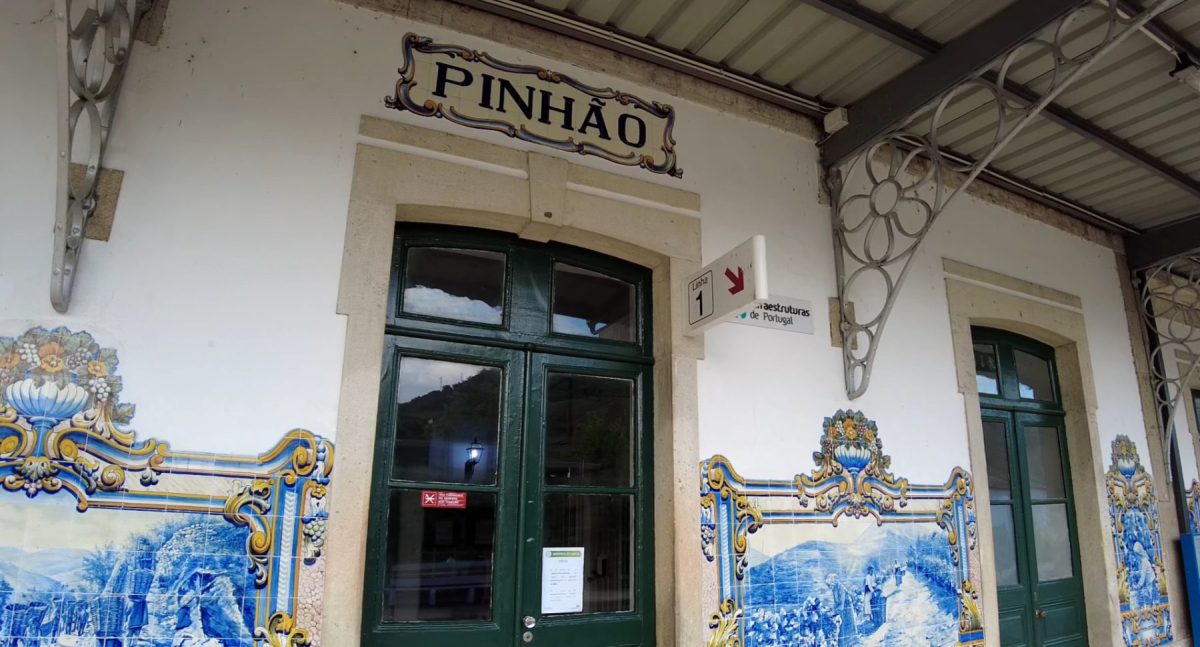
The historic train has a very specific rhythm: Régua departure at 3:30 pm, a stop in Pinhão, onward movement to Tua, then return to Régua at 6:26 pm. It is seasonal, with departures on Tuesdays, Fridays and Saturdays from July to October, and pricing from €330 per person. This is not the cheap Porto tourist train. This is the rail-lover’s Douro—slow, scheduled, slightly ceremonial.
- Best match for travelers who specifically want the historic railway, not a tourist road train.
- Includes cruise, historic train, winery tasting, and overnight accommodation.
- Seasonal July-to-October timing aligns with peak Douro scenery and harvest atmosphere.
- Higher cost and longer commitment than short Porto combos.
- Seasonal departures limit flexibility.
7. Independent Porto São Bento to Pinhão Train Day with Local Rabelo Cruise and Cellar or Quinta Tasting
Ideal for: Confident independent travelers who want the scenic Douro railway and prefer to choose their own river cruise and tasting. Skip this if: You dislike coordinating train times, boat tickets, winery reservations, and return logistics yourself.
This is the version I like for travelers who do not mind a little friction. Start at São Bento or Campanhã, follow the Linha do Douro toward Pinhão, then build the day yourself with a local rabelo cruise and a quinta or wine-bar tasting. Porto to Pinhão takes about 2 hours 41 minutes by train over roughly 90 km, with around 6 trains per day shown in rail-market data.
The reward is freedom. The danger is arithmetic. A late train, slow lunch, missed boat slot, or winery that needs a taxi can wreck the day faster than people expect. Done well, though, it gives you the real railway, the right river, and the chance to taste in the valley rather than only under Gaia’s lodge roofs.
- Best rail scenery for independent travelers who want the real Douro train, not a tourist train.
- More flexibility to choose Pinhão, Régua, or a specific quinta.
- Can be cheaper than guided full-day tours if winery and boat choices are modest.
- Missed trains or late lunch can break the itinerary.
- Some quintas require taxis or pre-booked transfers from the station.
Field Notes for Avoiding the Tourist-Train and Douro-Rail Mix-Up
Insider Insight
Clarify whether “train” means the Magic Train tourist road train or the real Linha do Douro railway. In Porto city combo products, the train is often a sightseeing road train, while Douro Valley rail products use CP rail services or the seasonal Douro Historic Train, and that single distinction changes the scenery, duration, price and wine value completely.
Treat “wine cellar” as a location question. A Porto city combo usually means a Vila Nova de Gaia Port cellar, where the story centers on aging, blending and the commercial life of Port. A Douro Valley train or boat tour may mean a quinta or winery in the valley, where the conversation moves toward vineyard origin, schist soils, grape varieties and production choices.
- Do not compare a €35 Porto train, cave and cruise combo with a €330 2-day Douro Historic Train package as if they are competing versions of the same day.
- Check whether the cruise is a 1-hour Porto Six Bridges cruise, a short Pinhão rabelo cruise, or a long Porto-to-Régua river journey.
- Bring a light layer for Gaia cellars; damp stone rooms can feel cool even when Porto’s riverfront is warm.
- Book serious Port tastings separately if 2 introductory pours will not satisfy you.
One more practical detail: the real Douro train is not just a scenic flourish. Porto São Bento to Régua takes about 1 hour 51 minutes, Porto to Pinhão takes about 2 hours 41 minutes, and Porto to Pocinho takes about 3 hours 20 minutes. Gorgeous rail time, yes. Still time. The return schedule owns the day.
FAQ: Porto Train Tours, River Cruises and Port Wine Cellars
Is “Porto train tour river cruise and wine cellar” a Douro Valley tour?
Usually no. The common Porto version is a tourist train through Porto and Gaia, a Port cellar visit in Vila Nova de Gaia, and a 1-hour Porto riverfront cruise, not a trip into the Alto Douro vineyards around Régua or Pinhão.
How much does the Porto tourist train, wine cellar and cruise combo cost?
Official Magic Train pricing lists €13 for Magic Train only, €19 for Magic Train and Port Wine Cellar, €29 for Magic Train and Cruise, and €35 for Magic Train, Cave and Cruise.
How long does the Porto city train, cellar and cruise experience take?
Train-and-cellar versions are commonly listed around 100 to 120 minutes, and the river cruise adds about 1 hour, so the full combo is best treated as roughly 3 hours with transfer time between components.
Can I take a real train from Porto into the Douro Valley instead?
Yes. Porto São Bento to Régua takes about 1 hour 51 minutes, Porto to Pinhão takes about 2 hours 41 minutes, and the full Porto to Pocinho journey takes about 3 hours 20 minutes.
Is the Douro Historic Train included in normal Porto city train tours?
No. The Douro Historic Train is a seasonal valley railway program departing from Régua at 3:30 pm, stopping in Pinhão, continuing to Tua, and returning to Régua at 6:26 pm; it is separate from Porto’s Magic Train tourist route.
Final Verdict: Choose the Porto Combo for Convenience, the Douro Train for Wine Country
The smartest booking decision is simple once you separate the words. Choose the Porto tourist train, Port cellar and Six Bridges cruise if you want an affordable 3-hour city experience with Gaia Port context and river views. Choose a real Douro rail, boat and winery itinerary if you want vineyard country, Régua, Pinhão, Tua, schist terraces and a slower day shaped by distance. Portugal rewards that kind of precision. After Porto and Gaia, the natural trail leads toward Douro Valley quintas, mineral-driven Atlantic whites, or volcanic island vineyards where wine still tastes inseparable from place.