
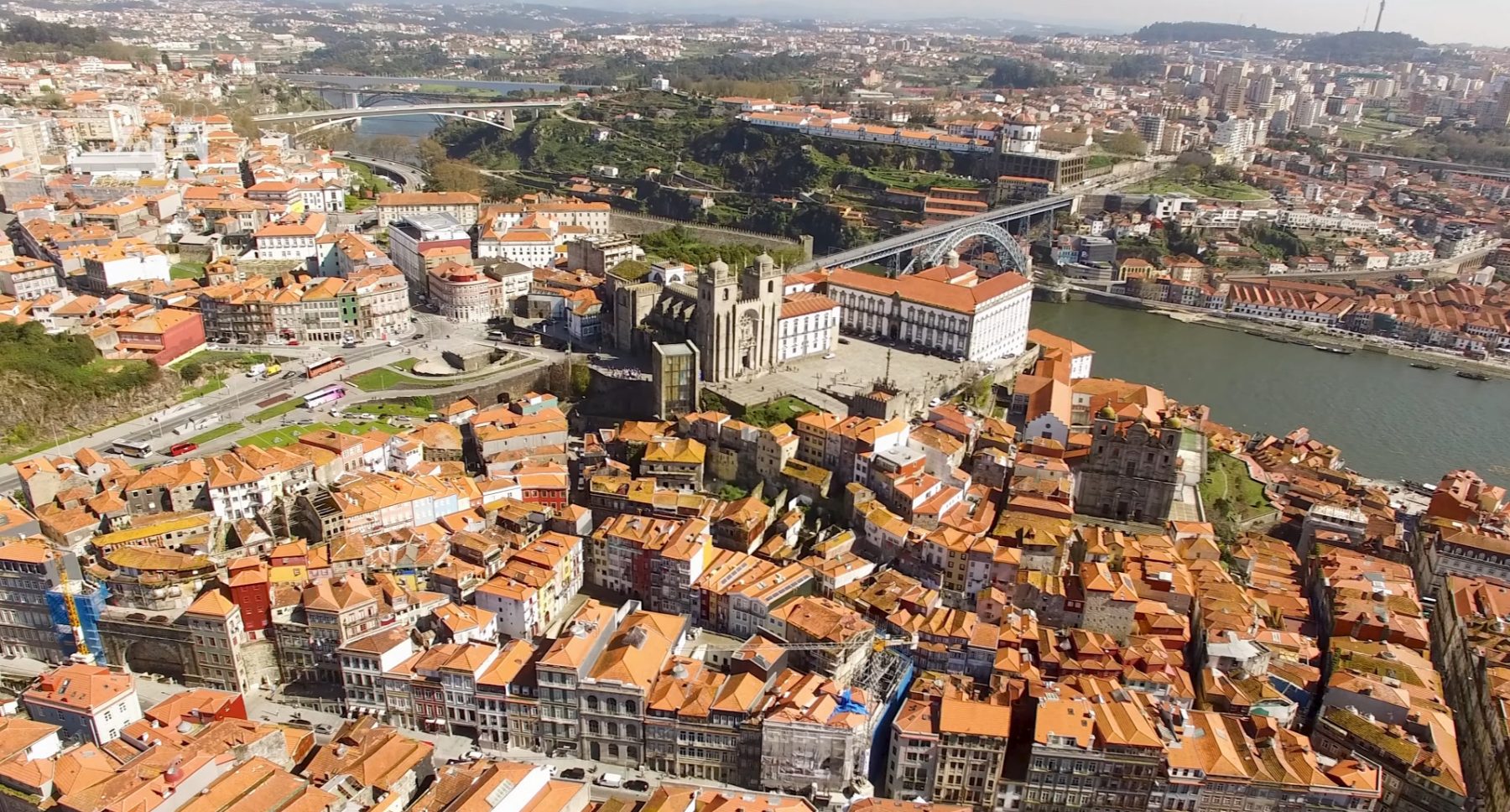
Porto does not introduce itself politely. The river flashes first, hard and metallic under the Dom Luís I Bridge, then the air changes as you cross toward Vila Nova de Gaia: old oak, wet stone, spirit, a little orange peel, the cellar smell that clings to your jacket long after the tasting glass is empty. A good half-day wine tour in Porto should capture that without wasting your afternoon in a shop dressed up as a cultural experience.
I treat these tours with suspicion at first. Porto is full of easy promises: “authentic Port tasting,” “Douro experience,” “local wine discovery.” Some are perfectly decent. Some are a queue, two pours, and a sales counter. The useful tours either use Gaia properly, with real cellar context and enough Port styles to teach your palate something, or they make a fast, honest run into the Douro Valley and admit the day will be tight. That honesty matters more than glossy language.
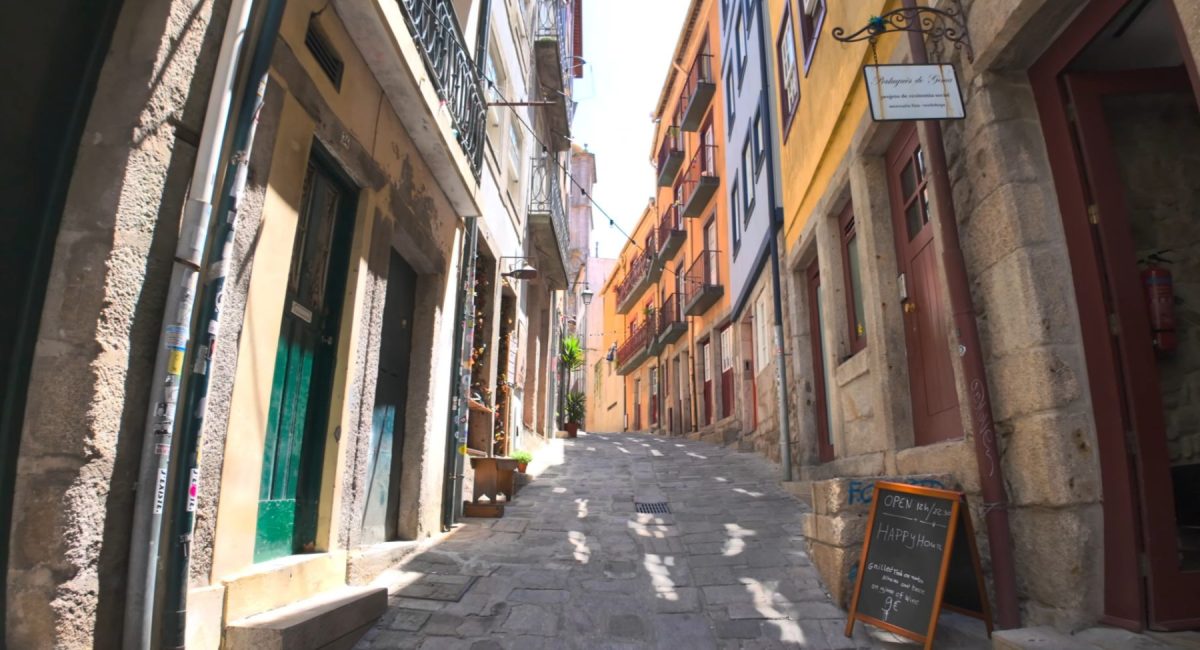
Porto Half-Day Wine Tours at a Glance: Time, Price, Grapes, and Where You Really Start
Our Methodology
We judged these half-day Porto wine tours by pacing, tasting depth, transport realism, cellar access, and whether the guide treated Port as wine rather than a souvenir category. I gave more weight to authentic Portuguese quintas, serious tasting structure, and small-producer context than to slick visitor-center polish.
Gaia Cellars and Douro Schist: Why the Best Porto Wine Lessons Happen Across the River
Most half-day Porto wine tours are really Gaia tours, and that is not a flaw. Vila Nova de Gaia is where Port traditionally aged, blended, rested, and met the export trade. The grapes begin inland, in the Douro Valley, where schist terraces hold heat like a stove and native varieties such as Touriga Nacional, Touriga Franca, and Tinta Roriz build the dark-fruited structure that Port needs. Then the wine comes downriver, or historically by rabelo boat, into cooler Atlantic air. Gaia does the slow part.
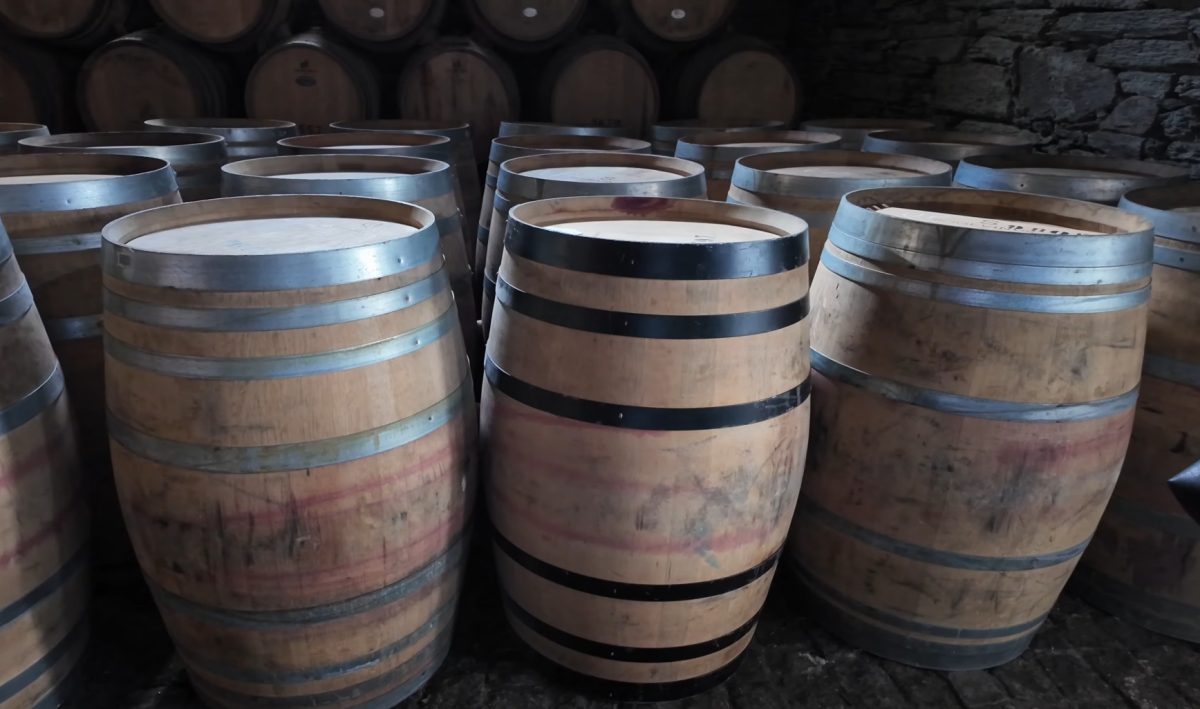
That split explains the flavor. The Douro gives ripeness, grip, sun-baked concentration. Gaia gives time, wood, oxidation, and that tawny edge of walnut skin and dried fig. When I walked through one of the older cellars, the barrels did more teaching than the guide for a minute: hot valley upstream, damp lodge downstream. Simple. Beautifully ruthless.
“O vinho do Porto nasce no Douro, mas aprende a envelhecer em Gaia.”
The local translation is clean enough: Port wine is born in the Douro, but learns to age in Gaia.
Myth vs. Reality
A common misconception is that a Porto wine tour means visiting vineyards inside Porto. The truth is more useful: the classic half-day Porto wine experience usually happens in Vila Nova de Gaia cellars, where Port is aged and tasted, while the vineyard region is the Douro Valley; the fastest train from Porto São Bento to Pinhão takes about 2 hours 20 minutes one way, which makes a proper vineyard visit unrealistic inside a normal 3–5 hour slot.
Seven Porto Half-Day Wine Tours Compared by Taste, Route, and Traveler Fit
| Tour Name | Best For (Traveler Profile) | Primary Region / Focus |
|---|---|---|
| Porto Port Wine Tour with 7 Port Tastings Across 3 Venues | First-time Port drinkers, couples, solo travelers | Vila Nova de Gaia, multi-venue Port tasting |
| Porto Walkers Port Wine Tour with Historical Cellar, Small Producer, and Tasting Workshop | Travelers wanting guided Port education before buying bottles | Gaia cellar, small producer, tasting workshop |
| C&D Porto Tours Port Wine Tasting Tour with 3 Producers and 7 Premium Ports | Wine-curious visitors wanting depth in a compact format | Three Port producers, barrel ageing, comparative tasting |
| Porto Port and Douro Wine Walking Tour with 9 Tastings | Travelers comparing Port with dry Douro wines | Gaia walking route, Port and Douro DOC wines |
| Porto City Half-Day Tour with Port Wine Cellar Visit and Six Bridges Cruise | First-time Porto visitors wanting sightseeing, wine, and river views | Porto landmarks, Gaia cellar, Douro river cruise |
| Private Half-Day Porto City Tour with Port Wine Cellar and Portuguese Cheese Tasting | Couples, families, private groups, limited-mobility travelers | Private Porto city route, cellar, cheese pairing |
| Porto Half-Day Douro Valley Tour with Quinta de S. Luiz, 50-Minute Cruise, and São Cristóvão Viewpoint | Travelers who want real Douro scenery without a full-day tour | Douro Valley, quinta visit, river cruise, viewpoint |
The Porto Tasting Route I Would Book First: Seven Ports, Three Venues, No Pretending
1. Porto Port Wine Tour with 7 Port Tastings Across 3 Venues
Ideal for: First-time Port drinkers, couples, solo travelers, and visitors who want a focused wine education without spending a full day in the Douro Valley. Skip this if: You have mobility issues, because the route is not suitable for people with mobility impairments.
This tour wins because it understands the Porto half-day brief. You do not need a fake vineyard fantasy. You need enough cellar time, enough contrast between Port styles, and a guide who can make Ruby, Tawny, White Port, and LBV feel like distinct choices rather than shades of sweetness. The structure is sane: one traditional Port cellar, then 2 more tasting venues, with 7 Port wines across the route.
Our tasting revealed what too many quick cellar visits miss. Young Ruby can feel almost impatient, all fruit and firmness. Tawny moves somewhere else entirely: walnut, old cask, burnt sugar, dried citrus peel. In the better lodges, the air itself seems to have been fortified. Damp schist, oak, spirit. You smell the business before you taste the wine.
“Most visitors arrive asking for the oldest bottle. By the end, they ask which style they should drink with cheese, almonds, or a rainy Sunday.”
- Seven Port styles give enough range to understand the real divide between youthful fruit, oxidative ageing, sweetness, and structure.
- Multiple venues stop the experience from feeling like a single-brand tasting counter.
- The 4-hour format suits English-speaking travelers who want substance without sacrificing a full Porto day.
- Food is limited or secondary, so fortified wine on an empty stomach is a bad idea, not a charming travel risk.
- Gaia’s slopes and cobbles can punish flimsy shoes, summer heat, and wet-weather optimism.
Six More Porto Wine Tours That Work, Provided You Know the Catch
2. Porto Walkers Port Wine Tour with Historical Cellar, Small Producer, and Tasting Workshop
Ideal for: Travelers who want a guided, educational introduction to Port before buying bottles or choosing another cellar visit. Skip this if: You want a meal included, because the operator warns that Port is sweet and strong and advises guests to bring water and a snack.
This one has a teacher’s rhythm, in the good sense. The route uses 3 Port wine venues: an operating historical cellar with 2 tastings, a small producer’s tasting venue with 1 tasting, and a professional tasting room or workshop with 4 tastings. The workshop is the part I like. It shifts the afternoon from “try this, now try that” into actual tasting literacy.
The small-producer stop gives the route oxygen. Gaia can lean hard toward the grand names, and I love those houses when they are handled well, but a smaller tasting room often feels less rehearsed. Bring water. Eat before. This is not the moment to discover that 20% alcohol and steep paving stones have opinions.
- The route balances cellar atmosphere with practical tasting technique.
- The small-producer angle breaks the rhythm of big-name Gaia houses.
- The style education helps travelers buy Port with more confidence later.
- No proper food pairing means the alcohol can land harder than expected.
- Travelers chasing only famous lodges and polished visitor rooms may find the format too informal.
3. C&D Porto Tours Port Wine Tasting Tour with 3 Producers and 7 Premium Ports
Ideal for: Wine-curious visitors who want more depth than a single cellar but still want a compact half-day format. Skip this if: You need snacks included, because the tour includes the guided experience and 7 Port tastings, but not food.
This is one of the better routes for people who want to compare, not just consume. Three producers, 7 premium Ports, and enough production talk to make barrels matter. You begin to notice the technical stuff without feeling lectured: small casks versus large vats, oxygen exposure, blend age, spirit integration.
I think this format works best for travelers who already know they like wine but do not yet know why Port varies so much. It is less romantic than a Douro terrace at golden hour. Fine. It is more useful than another glossy tasting where every pour is described as “smooth.” I have a low tolerance for that word in cellars.
- The production focus gives real context on barrel ageing and cellar architecture.
- The comparative structure across producers makes the tasting more instructive.
- It teaches more than a self-guided lodge visit with a glass at the end.
- No included food makes lunch timing matter more than travelers expect.
- Several cellar stops can feel repetitive if production detail does not interest you.
4. Porto Port and Douro Wine Walking Tour with 9 Tastings
Ideal for: Travelers who want to compare fortified Port with dry Douro wines in the same short tasting route. Skip this if: You only want classic Port lodges and no dry-wine discussion, because this format mixes Port and Douro table wines.
This is the broadest tasting route, and it moves quickly. In 3 hours, you pass through 3 wine houses and taste 9 wines, usually around €48–€65. That is a lot of glassware for a short window. It can be excellent when the guide controls the tempo; it can feel rushed when the group is large or chatty.
The dry Douro component is the real reason to consider it. Too many visitors leave Porto thinking Portuguese wine begins and ends with sweetness. Douro DOC reds can be muscular, mineral, sometimes gruff in a way I enjoy, built from the same brutal vineyard logic that feeds Port. Schist does not produce polite wines.
- The tasting count gives strong value for travelers who want range.
- The mix of Port and Douro DOC wines adds useful regional context.
- The 3-hour format works for visitors with only one open afternoon in Porto.
- Nine tastings in 3 hours can feel compressed if the guide cannot keep pace.
- Cellar history gets less room than it does on a dedicated lodge-focused route.
5. Porto City Half-Day Tour with Port Wine Cellar Visit and Six Bridges Cruise
Ideal for: First-time Porto visitors who want a city overview, one Port tasting, and a river cruise in a single slot. Skip this if: Wine is your only priority, because this is a sightseeing-heavy combo and the cellar tasting is only one part of the itinerary.
This is the orientation tour, not the wine obsessive’s choice. Avenida dos Aliados, Clérigos views, São Bento Station, Porto Cathedral, the Fernandina Wall area, then across toward Gaia for a cellar visit. The 50-minute Six Bridges cruise gives you the city from the river, which is still the best angle for understanding Porto’s geography.
Would I book it purely for wine? No. I would book it on a first morning, when someone wants to see the bones of the city and still taste Port without planning separate tickets. The cruise voucher system can feel a touch mechanical—closer to logistics than romance—but the river usually does its job.
- The all-in-one structure works well for a first Porto morning.
- São Bento and the Cathedral give context before the Gaia wine stop.
- The cruise adds bridge views and river orientation without a separate booking process.
- Lunch is excluded.
- Cruise queues and voucher handling can feel less fluid than a fully guided boat segment.
6. Private Half-Day Porto City Tour with Port Wine Cellar and Portuguese Cheese Tasting
Ideal for: Couples, families, small private groups, and travelers who want hotel pick-up, flexible pacing, and less walking. Skip this if: You are price-sensitive, because private half-day formats commonly cost several times more than shared Gaia walking tours.
This private version is about control. A modern air-conditioned Mercedes van, accommodation pick-up and drop-off, and a 4-hour route for groups from 2 to 8 guests make it feel completely different from the walking tastings. It can cover Avenida dos Aliados, Parque da Cidade, Castelo do Queijo, Ribeira, Cais de Gaia, Igreja dos Carmelitas, Teatro Nacional São João, and Casa da Música without turning the day into a hill-climb exercise.
The cheese pairing helps. Salt and fat pull Port back toward the table, where it belongs more often than people think. I would choose this for older travelers, a family group, or anyone landing in Porto tired and unwilling to negotiate cobbles with luggage in the back of their mind.
- It suits guests with luggage, limited mobility, or a tight cruise or flight schedule.
- The cheese pairing gives the tasting more substance than a simple cellar pour.
- The route covers Porto and Gaia without forcing travelers to manage hills, taxis, or metro transfers.
- It is less immersive than a dedicated 3-cellar tasting route.
- A private city guide does not always mean the cellar visit itself will be private.
7. Porto Half-Day Douro Valley Tour with Quinta de S. Luiz, 50-Minute Cruise, and São Cristóvão Viewpoint
Ideal for: Travelers who insist on seeing the Douro Valley but cannot spare a full 9–10 hour day. Skip this if: You dislike early starts or compressed travel, because the tour leaves Porto at 08:00 and returns around 14:30.
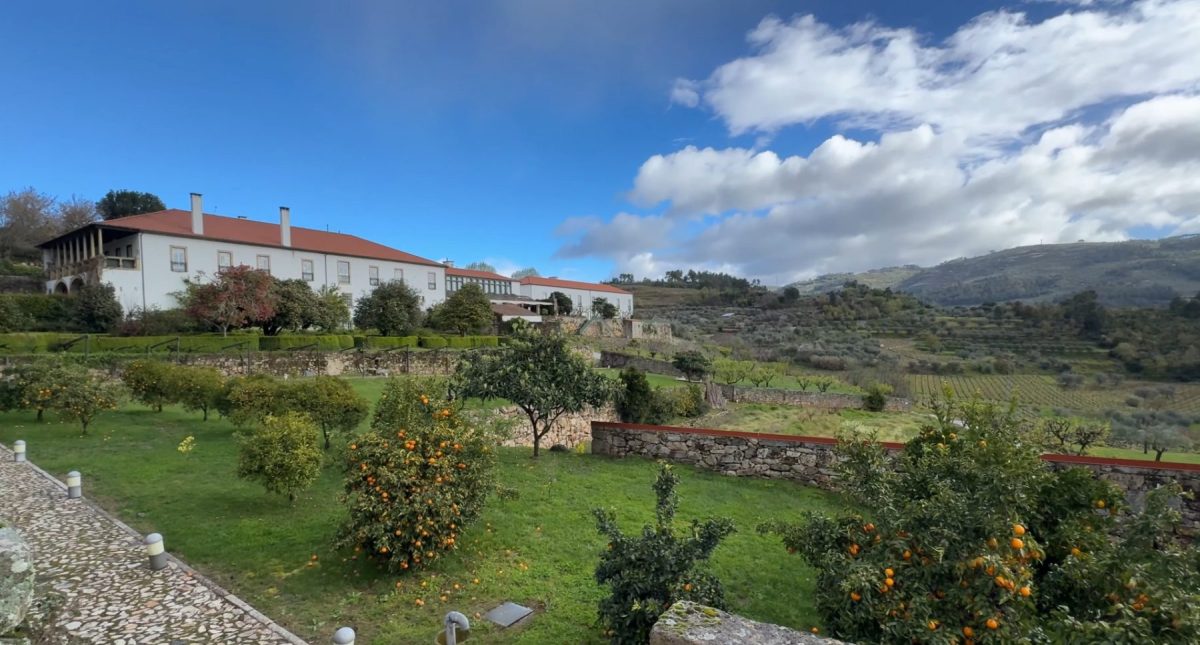
This is the exception in the group. It leaves the Gaia cellar logic behind and makes a 6.5-hour push into the Douro Valley by air-conditioned minibus, with a visit to Quinta de S. Luiz or a similar estate, 3 tastings, a 50-minute river cruise, and a stop at São Cristóvão do Douro viewpoint. You get terraces, hard light, river bends, and the dry smell of vineyard stone.
You also get speed. No lazy quinta lunch. No long vineyard wander. No second estate where you sit under the vines and lose track of the clock. Still, for travelers with only one free morning, it is a fair bargain. Just be honest with yourself: this is a glimpse of the Douro, not a full immersion.
- It gives real Douro landscape exposure instead of only Gaia cellar interpretation.
- The river cruise and viewpoint add visual payoff inside a half-day frame.
- The schedule suits travelers with only one free morning in Porto.
- It is not suitable for wheelchair users on the cited tour format.
- Food and extra beverages are not included, so breakfast before departure matters.
Field Notes from Porto: Food First, Shoes Second, Cellar Slots Before You Wander
Insider Insight
Eat before Port-heavy walking tours. Several half-day formats include 7–9 tastings but no proper food, and Port is fortified at roughly 19–20% alcohol, so the mix of sweet wine, warm weather, and Gaia’s slopes can turn a polished tasting into a slow, slightly humiliating walk back across the river.
Pack for the ground, not the postcard. Gaia’s riverfront looks gentle from Porto, then the street tilts, the cobbles shine, and suddenly those thin-soled shoes feel like a poor life decision.
- Wear grippy shoes for cobbles, cellar stairs, and polished lodge floors.
- Carry water, mainly before 7-tasting and 9-tasting routes.
- Book fixed-language cellar slots ahead in peak season.
- Eat lunch before an afternoon Port tour, even if it is just bread, cheese, almonds, or a shared francesinha.
For timing, April, May, early June, and late October give the best balance of weather and lighter crowds. Late September and October carry the strongest Douro atmosphere, mostly if you take the 6.5-hour valley route. July and August still work, but the riverfront gets thick, cellar slots tighten, and warm fortified wine fatigue is real. I have seen people fade by the fifth pour. It happens fast.
Porto Half-Day Wine Tour FAQ for Travelers Who Care About the Fine Print
Can I visit the Douro Valley properly on a half-day wine tour from Porto?
Only in a compressed way. A true vineyard half-day from Porto normally runs about 6.5 hours, leaves around 08:00, includes one estate visit, a short cruise, and returns around 14:30. A deeper Douro day with lunch, multiple estates, and slower vineyard time usually needs 9–10 hours.
Are Porto wine tours actually in Porto or Gaia?
Most Port cellar tastings are in Vila Nova de Gaia, across the Douro from Porto. The city gives Port its name, but the historic lodges are concentrated on the Gaia side.
How many tastings should I expect on a half-day Porto wine tour?
A single cellar visit usually gives 2–3 Port wines, while dedicated walking tasting tours commonly include 7–9 tastings across 3 venues. Sandeman’s listed €35 visit includes 2 Port wines, while several walking tours list 7 or 9 tastings.
Is a Six Bridges cruise worth adding to a half-day wine tour?
It is useful for scenery and orientation, but it is not usually a wine-focused experience. One half-day Porto combo includes a 50-minute cruise voucher after city sightseeing and a cellar tasting, but lunch and hotel pick-up are excluded.
What is the best half-day format for serious wine interest?
For wine education, choose a 3-venue Gaia walking tour with 7–9 tastings rather than a city sightseeing combo. For landscape, choose the 6.5-hour Douro half-day, accepting that it will be faster and less relaxed than a full Douro Valley tour.
Final Verdict: Choose Gaia for Port Depth, the Douro for Terraces and River Light
The best half-day wine tour in Porto is the one that does not lie about time. For tasting depth, Gaia wins: lodges, barrels, Port categories, old wood, and the slow perfume of Tawny ageing. For scenery, the compressed Douro Valley route gives you terraces and river bends, but it asks for an early start, limited estate time, and no long lunch. Choose the trade-off with open eyes. Then keep following Portugal by the glass: Atlantic whites, granite-country reds, island vineyards, and, if your curiosity runs far enough, volcanic vineyards well beyond Europe.