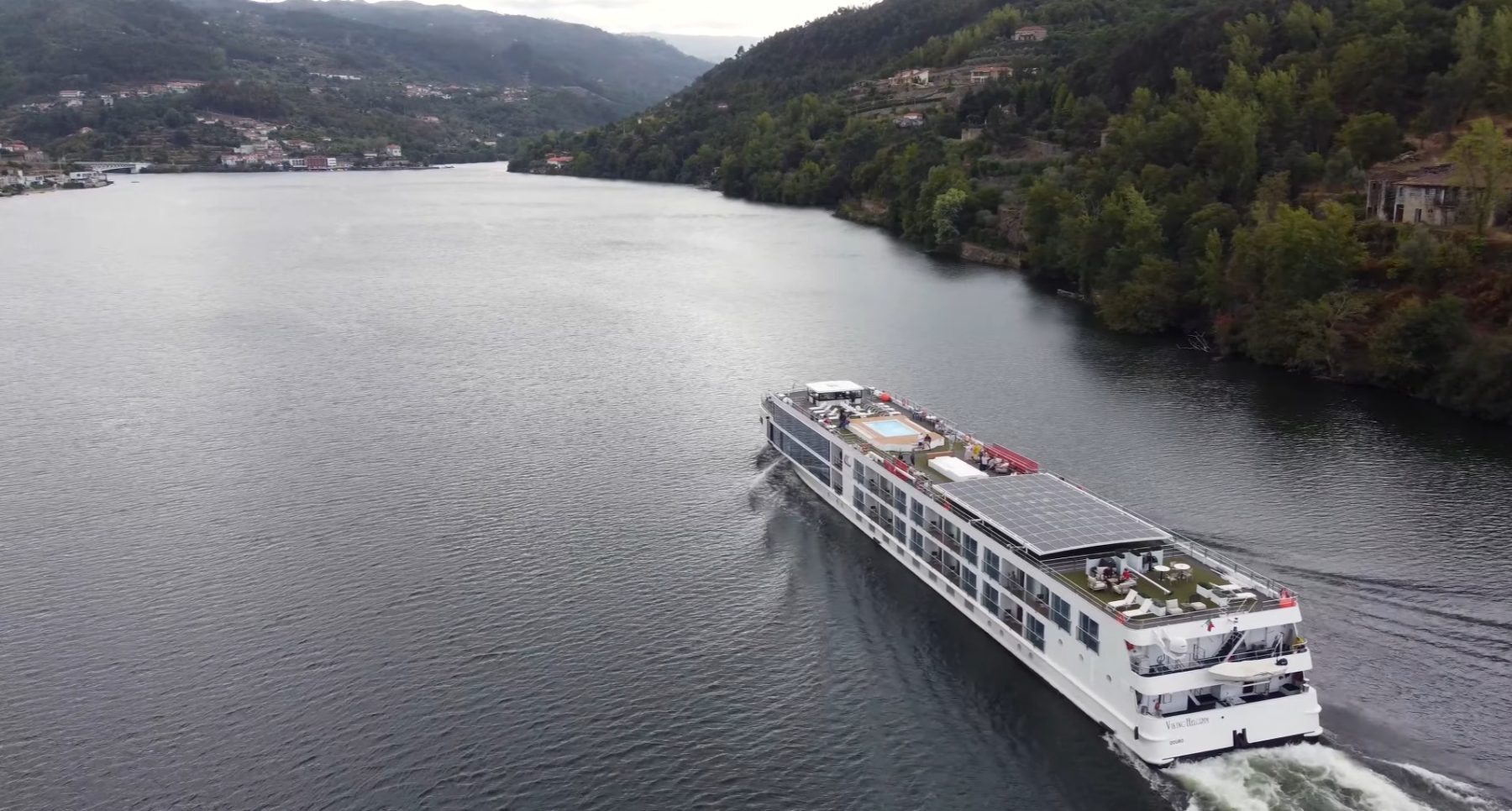
The Douro changes the air before it changes the view. Porto starts with Atlantic damp, tiled facades, coffee, diesel, river mist near Gaia; then the road turns inland and the country tightens into schist, heat, olive trees, and vineyards cut into slopes that look almost rude in their steepness. By the time the minivan drops toward Pinhão, the valley stops behaving like scenery. It becomes work. Stone, vine, sweat, aguardente, barrel dust.
A proper Porto Douro Valley tour with wine tasting, cruise and lunch should never feel like a souvenir circuit with a sweet glass of ruby Port bolted onto the end. The good ones give you working quintas, DOC Douro reds, old Port cellars, a lunch with regional bones, and a river cruise that actually belongs in the valley, not a quick loop beside Porto’s bridges. This guide is meant to separate the Douro days with substance from the pretty traps with polished vans and weak pours.
Douro Valley Timing, Prices and Tour Style at a Glance
Our Methodology
We judged these Douro formats the way wine people actually travel: by looking at vineyard access, guide competence, pacing, lunch quality, and whether the boat section happens around Pinhão rather than beside Porto’s postcards. I gave more weight to real Portuguese quintas, cellar smell, rabelo time, and clean logistics than to glossy “wine country experience” language.
Schist Slopes, River Heat and the Douro Terroir Behind the Glass
The Douro is not soft wine country. Around Pinhão and Cima Corgo, vines grip steep schist terraces where the rock breaks into sharp plates and holds heat deep into the evening. That pressure shows up in the glass. Touriga Nacional gives structure, violet, black fruit, and tannic muscle; Touriga Franca brings perfume and width; Tinta Roriz pulls the blend toward red fruit and spice. The river takes some edge off the climate, but the valley still tastes hot, mineral, and a little severe when the producer knows what they are doing.
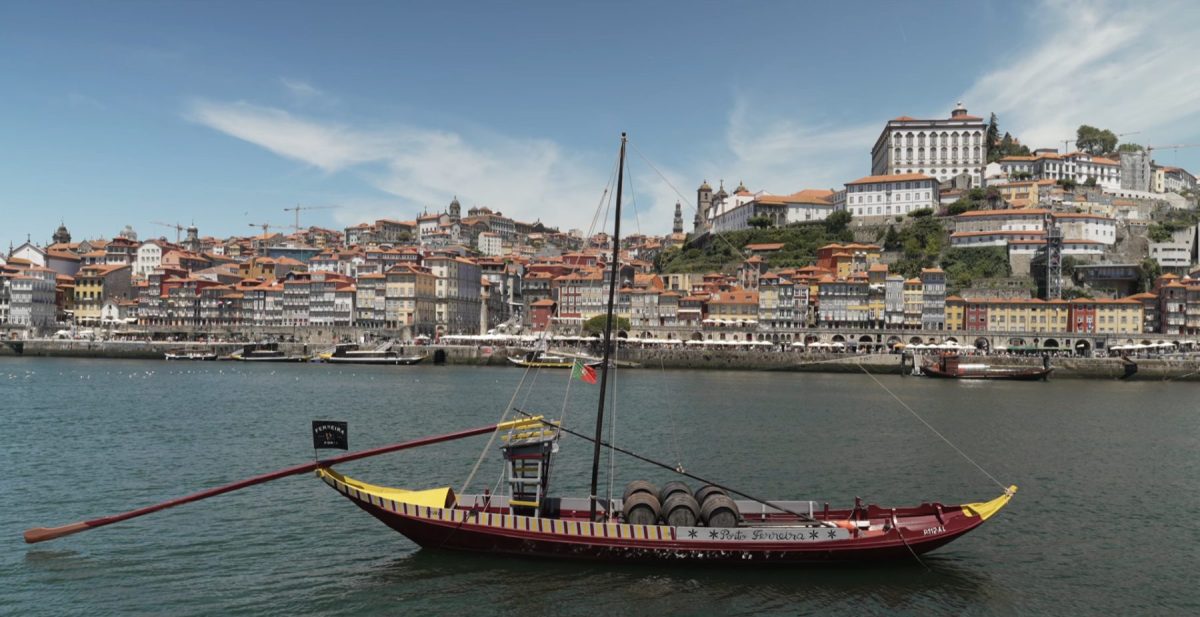
There is old money, old law, and old exhaustion in this place. The Alto Douro has made wine for about 2,000 years, and Port was regulated in 1756, which shaped the quintas, the terraces, the rabelo boats, the Gaia lodges, the whole commercial machine. You feel that history most clearly when a guide stops talking and you hear nothing but cicadas over dry stone walls.
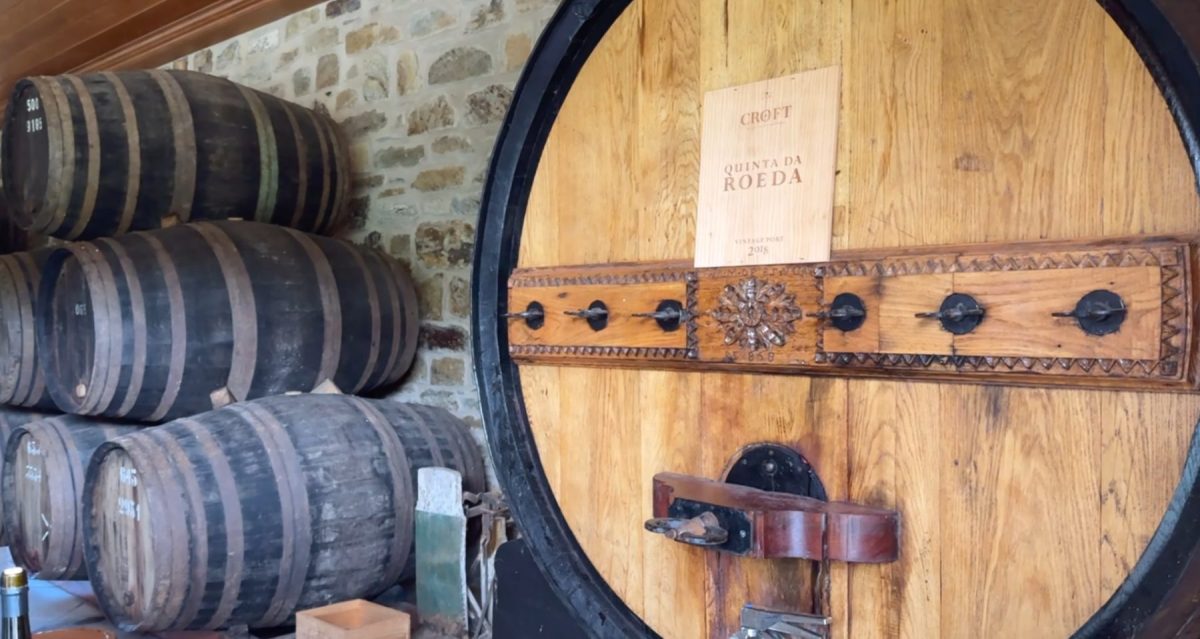
When we walked through the vines, the soil gave off that baked, dusty smell of broken rock. Inside the cellars, everything cooled down: damp schist, old wood, grape spirit, a sweet-bitter line of aging Port sitting in the air. Lunch pulls the day back into the body. Bacalhau, posta à transmontana, olive oil, rough bread, maybe a glass of Douro red with enough tannin to need meat rather than applause.
Aqui a vinha sofre, mas é por isso que o vinho tem alma.
“Here the vine suffers, and that is why the wine has soul.” A Douro winemaker can say that without drama. It is basically agricultural bookkeeping.
Myth vs. Reality
A common misconception is that a Douro wine tour means one sweet Port after another until lunch feels like rescue. Better Douro itineraries now pour both fortified Port and DOC Douro still wines, often built from Touriga Nacional, Touriga Franca, Tinta Roriz, Tinta Barroca and Tinto Cão.
How the Best Douro Lunch and River Cruise Tours Compare
| Tour Name | Best For (Traveler Profile) | Primary Region / Focus |
|---|---|---|
| Classic Porto to Douro Valley Wine Tasting, Lunch and Pinhão River Cruise | First-time Porto visitors who want the standard Douro formula without self-planning | Régua and Pinhão corridor with winery tasting, lunch and short cruise |
| Authentic Small-Group Douro Tour with 2 Wineries, Lunch and 50-Minute Rabelo Cruise | Wine-curious travelers who want better guide access and fewer people | Cima Corgo and Pinhão with 2 wineries and rabelo cruise |
| Living Tours Douro Valley Wine Tour with 2 Wineries, Estate Lunch and 1-Hour Cruise | Travelers who want polished logistics and predictable full-day structure | Douro Valley with 2 wine estates, lunch and 1-hour river cruise |
| Premium Small-Group Douro Valley Wine Tour with Private Boat, Lunch and Boutique Tastings | Couples and food-and-wine travelers who want comfort and a more curated day | Premium Pinhão-area wine stops with private or semi-private cruise |
| Private Douro Valley Tour with 2 Wine Estates, Traditional Lunch and Rabelo River Cruise | Families, honeymooners and small groups who want flexibility | Private Porto-to-Douro itinerary with estate tastings and cruise |
| Douro Valley 3-Winery Full-Day Tour with Lunch and Optional River Cruise | Wine-focused travelers who want tasting range over sightseeing volume | Multiple Douro producers with heavier emphasis on tastings |
| Budget Douro Valley Wine Tasting, Lunch and River Cruise from Porto | Travelers who want the Douro checklist at the lowest reasonable price | Shared large-group route with basic tasting, lunch and cruise |
Best Overall: The Small-Group Douro Tour That Balances Wine, Lunch and River Time
1. Authentic Small-Group Douro Tour with 2 Wineries, Lunch and 50-Minute Rabelo Cruise
Ideal for: Wine-curious travelers who want more guide contact, fewer people in the vehicle, and a better chance of asking detailed questions. Skip this if: You need a very relaxed pace; the itinerary still squeezes 2 wineries, lunch, viewpoints and a 50-minute cruise into one day.
This is the format I trust most often for serious travelers. A group capped around 8 guests changes the day in practical ways: fewer pickup delays, more time with the guide, and less of that slow group shuffle that can drain the life from a tasting room. The route usually folds in 2 selected wineries, Port and DOC Douro tastings, a traditional Portuguese lunch, and a 50-minute Pinhão cruise on a rabelo-style boat.
The strength here is pacing, not luxury. The first estate gives you the cellar vocabulary: aguardente vínica, lagares, ruby, tawny, vintage, schist, old vines. Lunch steadies the palate. Then the river returns the landscape to you from below, with vineyard walls stacked over the water like someone tried to farm a cliff and somehow won.
O Douro não se entende depressa. Primeiro vê-se do alto, depois prova-se no copo, e só no barco é que se percebe a escala.
The price usually lands around €110 to €150, which is not bargain territory, but I think this is where value starts to show. You are paying to avoid the worst friction: huge groups, rushed pours, thin commentary, and a lunch that could have happened anywhere with a bus park.
- Better guide access because the group is capped around 8 guests.
- Stronger wine coverage because both Port and DOC Douro wines are usually included.
- The 50-minute Pinhão cruise gives the classic river-level vineyard view.
- Price is usually higher than standard coach tours, commonly around €110 to €150.
- Small vans can still feel tiring on winding Douro roads if someone is prone to motion sickness.
Six More Douro Valley Wine Tours Worth Knowing Before You Book
2. Classic Porto to Douro Valley Wine Tasting, Lunch and Pinhão River Cruise
Ideal for: First-time Porto visitors who want the standard Douro day-trip formula without managing trains, winery bookings, driving or lunch reservations. Skip this if: You dislike long bus or minibus transit days; the day commonly runs 9 to 10.5 hours, with around 3.5 to 4 hours total road time between Porto, the valley and return.
This is the democratic Douro tour: simple to book, easy to understand, and usually built around the region’s obvious pleasures. You leave Porto, drive toward Régua or Pinhão, taste wine at one or two estates, sit down for lunch, and board a short river cruise. Efficient, yes. Sometimes a little too efficient.
The better versions still have real charm. You get the tiled beauty of Pinhão Railway Station, the sweep of the river, the smell of oak and sweet Port in a tasting room, and enough regional context to understand why the Douro is not just “wine country near Porto.” The weaker versions feel like a checklist with a corkscrew.
- Combines wine tasting, lunch and river cruise in one bookable day.
- Good value, with entry-level market prices around €79 to €99.
- Works well for travelers with only 1 full free day in Porto.
- Tasting stops can feel scripted when the group is large.
- Lunch quality varies sharply; lower-priced tours may use fixed tourist menus rather than estate-level food.
3. Living Tours Douro Valley Wine Tour with 2 Wineries, Estate Lunch and 1-Hour Cruise
Ideal for: Travelers who prefer a polished, high-volume operator with predictable logistics, multilingual guide support and a complete full-day package. Skip this if: You want boutique-only wineries; larger operators may use well-established estates that handle many visitors per day.
This tour style runs on reliability. The day usually takes about 10 hours and includes 2 Douro wineries, guided tastings, a regional lunch, and a 1-hour cruise. For travelers nervous about transport, timing, language, or missed connections, that clean structure has real value.
It will probably not give you the thrill of discovering a tiny family quinta at the end of a narrow road. To be fair, not every traveler needs that. What this format gives is order: clear pickup, an air-conditioned coach, minibus or 8-seat minivan on the small-group version, and enough wine-country context to make the landscape feel readable.
- Clear all-in-one structure: 2 wine estates, tastings, lunch and 1-hour cruise.
- Small-group version uses a comfortable 8-seat minivan.
- Good fit for travelers who want English-language infrastructure and standardized pickup logistics.
- Less intimate than a private sommelier-led day.
- The 10-hour structure leaves limited time for lingering at any one quinta.
4. Premium Small-Group Douro Valley Wine Tour with Private Boat, Lunch and Boutique Tastings
Ideal for: Couples, mature travelers, and food-and-wine travelers who want a more comfortable day with a stronger lunch and more curated boat experience. Skip this if: Price sensitivity matters more than comfort; premium small-group versions commonly start around €145 to €189 per adult.
This is the Douro day for people who want the rough edges managed without turning the valley into theatre. The vehicle tends to be more comfortable, the group smaller, and the cruise may be private or semi-private rather than part of a crowded river queue. That detail matters in August, when heat comes off the water and every strip of shade feels like infrastructure.
The wine stops often feel more considered, with a better chance of tasting DOC Douro reds alongside Port. Lunch tends to carry more weight too: not just a plate between appointments, but part of the regional argument, with olive oil, bread, beef, cod or local wine doing work that glossy tasting notes cannot do.
- Better atmosphere on the boat section when the cruise is private or low-capacity.
- More credible for editorial positioning around authentic travel and high-quality logistics.
- Less risk of the rushed coach-tour feel.
- Not always substantially deeper in wine education unless the guide is genuinely wine-trained.
- Still involves the same long Porto-Douro-Porto travel day.
5. Private Douro Valley Tour with 2 Wine Estates, Traditional Lunch and Rabelo River Cruise
Ideal for: Families, honeymooners, small friend groups, and travelers who want pickup flexibility, slower pacing, and control over photo stops. Skip this if: You are traveling solo on a tight budget; private Douro formats commonly start around €215 to €430 per person, depending on group size and inclusions.
Private tours make sense when rhythm matters more than shaving the bill. The route may still look familiar on paper: Porto departure, 2 wine estates, traditional lunch, and a Pinhão rabelo cruise. The difference sits between those points. You can pause at a viewpoint. You can let lunch breathe. You can ask about tawny aging without feeling half the group mentally checking the clock.
This is also the best option for dietary needs, slower walkers, photographers, and travelers who hate fixed meeting points. Frankly, private does not automatically mean better wine. The operator’s quinta relationships matter more than the upholstery.
- Best format for travelers who want high-quality logistics without public group friction.
- Easier to manage dietary needs, slower walkers, and photography stops.
- More suitable for premium editorial recommendations than low-cost coach tours.
- Private does not automatically mean better wineries; the operator’s estate relationships matter.
- Cost rises quickly for couples compared with shared small-group tours.
6. Douro Valley 3-Winery Full-Day Tour with Lunch and Optional River Cruise
Ideal for: Wine-focused travelers who care more about tasting range than sightseeing volume. Skip this if: The river cruise is non-negotiable; some 3-winery formats reduce or omit cruise time to make room for extra tastings.
This is the most wine-driven format in the set. Instead of making the boat the emotional center of the day, it pushes harder into producer comparison. You might taste across Port, Douro reds, white Douro, olive oil, or smaller estate labels, depending on the operator and the season.
The tradeoff is plain: more glasses, less air. Three tastings plus lunch can be excellent in May or October, but in July heat it can turn heavy fast. Choose this when your curiosity is vinous first and scenic second.
- More tasting breadth than a standard 1- or 2-winery tour.
- Better chance of comparing Port, red DOC Douro, white Douro, and possibly olive oil.
- Strong fit for wine-literate travelers.
- More winery time can mean less river time.
- Three tastings plus lunch can feel heavy in hot weather.
7. Budget Douro Valley Wine Tasting, Lunch and River Cruise from Porto
Ideal for: Travelers who mainly want the scenery and a complete Douro checklist at the lowest reasonable price. Skip this if: You expect a quiet, boutique, expert-led tasting; the lowest-priced tours are usually built for volume.
The budget Douro tour is not automatically bad. Around €79 to €99, it can be a fair way to see the valley, taste wine, sit down for lunch, and take a short cruise. For plenty of travelers, that is enough.
The compromises are real, though. Larger shared groups mean more waiting, more generic commentary, and less personality at the tasting counter. Lunch can be pleasant or forgettable. The river and vineyards will still do their work; just do not expect the day to feel made for you.
- Lowest realistic market entry point, around €79 to €99.
- Covers the essential formula: Douro scenery, wine tasting, lunch and boat.
- Easy to book and widely available.
- Less authenticity at lunch and tasting stops.
- More waiting time because pickups, bathroom stops, and group movement take longer.
Field Notes for Booking a Douro Valley Wine Tour Without Regret
Insider Insight
Choose Pinhão-based cruise itineraries over Porto-only river cruises. A 6 Bridges cruise in Porto is not a Douro Valley wine-country cruise; for this target topic, the boat section should happen around Pinhão or the central Douro, usually 50 minutes to 1 hour, after the road transfer from Porto.
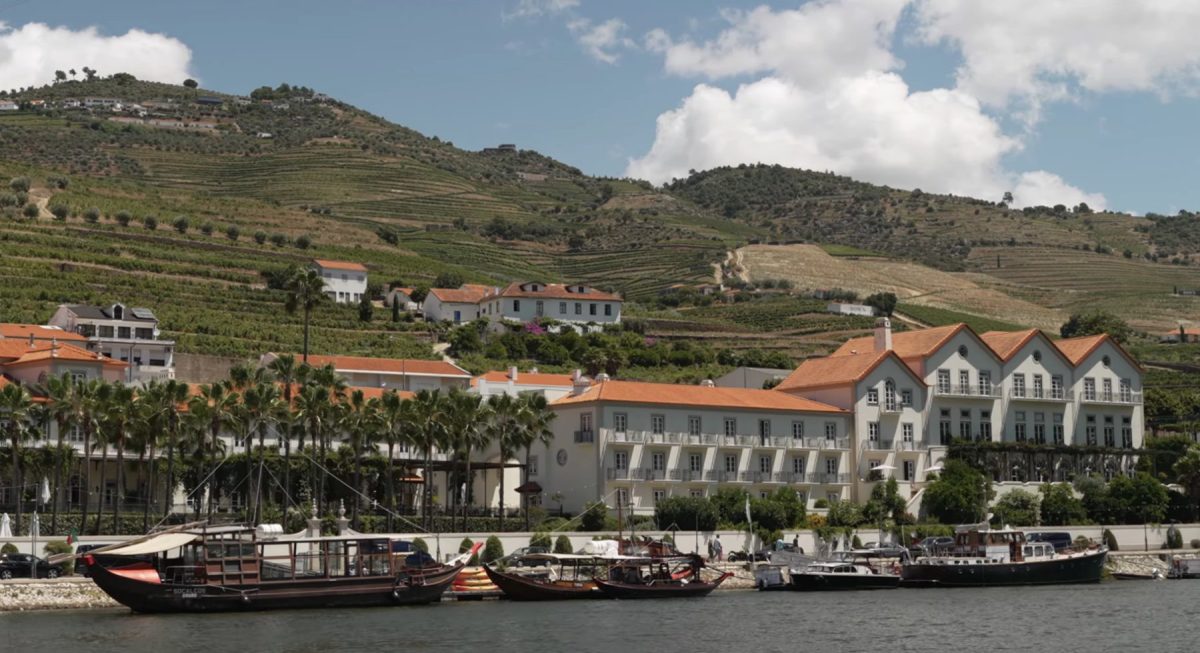
Logistics define this day more than most visitors expect. Porto to Pinhão takes around 1 hour 45 minutes to 2 hours by car, while the train takes about 2 hours 20 minutes. Porto to Peso da Régua by train is about 2 hours. So yes, even a very good guided tour is a full-day commitment, usually 9 to 10.5 hours from departure to return.
- Wear flat closed shoes because quintas often involve gravel, cellar floors, steps, short vineyard walks, and uneven stone.
- Bring sun protection in July, August, and September; the Douro interior can feel brutally exposed by midday.
- Carry water for the road section, especially if you are tasting Port and DOC reds before or during lunch.
- Check whether lunch wine is included or merely available, because some tours charge separately for extra glasses, premium flights, bottled water, or upgraded Port tastings.
Do not underestimate the valley roads either. The Douro looks beautiful because it is folded, steep, and difficult. That same geography can make a rear minivan seat feel cruel after a heavy lunch and several pours.
Practical FAQ for Porto to Douro Wine, Lunch and River Cruise Tours
Do these tours really go into the Douro Valley, or are they just Porto cellar tours?
Proper tours for this topic leave Porto and travel inland to the Douro Valley, usually around Régua, Pinhão, Sabrosa, or nearby estates. Porto cellar tours in Vila Nova de Gaia are separate products and do not replace a valley day trip.
How long is the river cruise on a typical Douro wine tour with lunch?
Most classic tours include a 50-minute or 1-hour river cruise, commonly from Pinhão. This is the format to look for if you want the vineyard landscape from river level rather than a city cruise near Porto.
Is the Douro Valley doable as a day trip from Porto?
Yes, but it is a long day. Most guided tours run 9 to 10.5 hours, and Porto to Pinhão takes around 1 hour 45 minutes to 2 hours by car or about 2 hours 20 minutes by train.
What is a fair price for a good Douro wine tour with lunch and cruise?
A fair shared-tour range is about €79 to €165 per adult. Better small-group tours usually sit around €110 to €165, while private versions often start around €215 to €430 per person depending on group size and inclusions.
Will I taste only Port wine?
No, not on better tours. Stronger Douro itineraries include both Port wines and DOC Douro still wines, often based on native grapes such as Touriga Nacional, Touriga Franca, Tinta Roriz, Tinta Barroca, and Tinto Cão.
Final Verdict: The Douro Rewards Travelers Who Choose Pace Over Packaging
The strongest Douro Valley tours from Porto are not the ones shouting the loudest. They are the ones that respect distance, heat, vineyard terrain, lunch, and the difference between a real Pinhão river cruise and a convenient Porto boat ride. For most travelers, the sweet spot is a small-group format with 2 wineries, a traditional lunch, and a 50-minute to 1-hour cruise in the central Douro. After that, the choice becomes personal: private comfort, deeper tasting range, or simple budget access. Portugal has other wine roads waiting, from mineral-driven Atlantic whites to volcanic island vineyards, but the Douro remains the carved classic: severe, generous, and impossible to fake.