
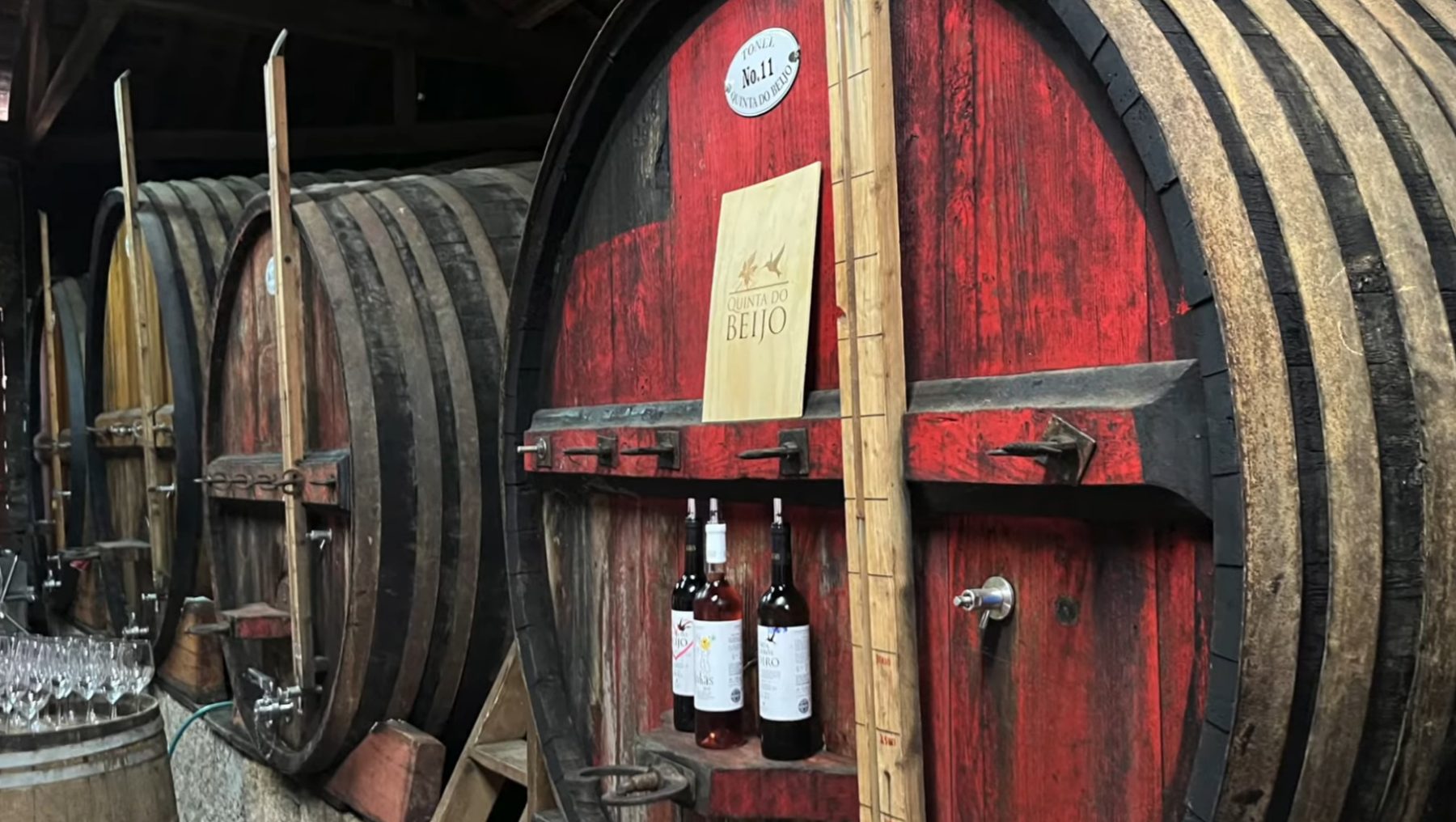
Porto does not ease you into wine. It throws stone at your feet first: wet granite, steep lanes, blue tiles catching a hard Atlantic glare, the Douro moving below with that dark metallic shine it gets before rain. Then you cross into Vila Nova de Gaia and the air cools. The cellars smell of old wood, aguardente, damp walls, dried fig, and the slow oxidation of tawny Port.
Private wine tours in Porto Portugal can be superb. They can also be wildly over-polished: a clean van, a generic tasting, a crowded lodge visit, and a lunch that exists because the itinerary needed a lunch. I looked at these tours through the things that actually matter: the drive to Pinhão, whether the winery appointment is really private, how much Douro DOC wine appears beside Port, and whether the day ends with a proper memory rather than a receipt.
Porto Wine Tour Snapshot: Timing, Prices, Grapes, and the Route That Fits
Our Methodology
We judged these tours as private wine days, not sightseeing products with a corkscrew attached, so authentic Portuguese quintas, clear pacing, serious tastings, and honest transport times mattered more than glossy sales language. The first thing we checked was whether “private” meant private guiding only or a genuinely private winery experience too, because those are not the same thing.
Douro Schist, Gaia Barrels, and Vinho Verde Acidity in the Glass
The classic private wine route from Porto bends east into the Douro Valley, where vines cling to schist terraces and the heat seems to come out of the rock itself. This is not gentle countryside. It is a worked landscape: patamares and socalcos cut into steep hillsides, narrow roads twisting above the water, grapes thickening under a continental sun that gives Touriga Nacional its dark fruit, violet edge, and tannic bite. Port has been regulated here since 1756, and the Alto Douro’s wine culture reaches back roughly 2,000 years; you feel that age in the walls before anyone pours the first glass.
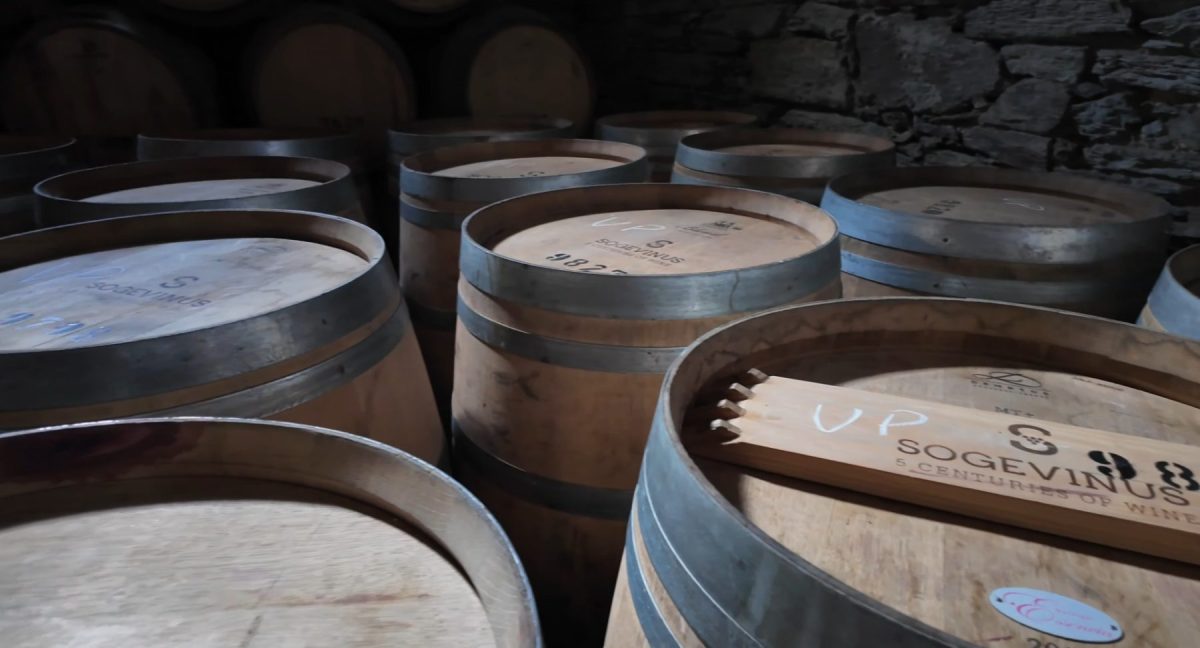
Gaia explains the other half. The grapes are grown upriver, but the lodges across from Porto teach ageing, blending, spirit, and patience. Step into a proper cellar and the smell arrives before the guide speaks: walnut, orange peel, old barrel staves, wet stone, a faint medicinal lift from fortified wine. Then Vinho Verde pulls you north, into a greener and more Atlantic register, where Alvarinho and Loureiro swap Douro muscle for blade-like acidity, lime skin, white flowers, and a salty snap that wakes up the mouth after a heavy lunch.
“No Douro, a vinha sofre primeiro; só depois dá bom vinho.”
A Douro grower gave me that line years ago near a vineyard wall: the vine suffers first; only then does it give good wine. You taste the struggle in the skins.
Myth vs. Reality
A common misconception is that private wine tours from Porto revolve only around sweet Port wine. The better private tours now usually mix Port, Douro DOC still reds and whites, olive oil, regional food, and sometimes a short Pinhão river cruise; Vinho Verde routes may skip Port almost completely and focus on Alvarinho, Loureiro, and crisp northern Portuguese whites.
Side-by-Side: Douro Classics, Gaia Lodges, Vinho Verde, and Luxury Private Routes
| Tour Name | Best For (Traveler Profile) | Primary Region / Focus |
|---|---|---|
| Private Douro Valley Classic: 2 Wineries, Pinhão Cruise, Winery Lunch | First-time Porto visitors who want the standard premium Douro experience without managing trains, taxis, lunch bookings, or winery reservations | Douro Valley, Port, Douro DOC, Pinhão cruise |
| Private Douro Premium: 3 Vineyards, Traditional Lunch, No Cruise | Wine-focused travelers who prefer more cellar time and producer variety over a tourist river cruise | Douro Valley, three producers, technical tastings |
| Private Douro Wine and Food Tour: Family Estate, Olive Oil, Regional Lunch | Couples, small families, and culinary travelers who want a softer food-and-wine day | Douro Valley, regional lunch, olive oil, local products |
| Private Gaia Port Lodge Half-Day: Historic Cellars, Premium Tawny and Vintage Tasting | Travelers with limited time in Porto who want Port history without a full Douro drive | Vila Nova de Gaia, Port lodges, aged tawny and LBV styles |
| Private Porto City Wine Tour: Port Lodge, Douro Wines, Francesinha or Petiscos | Travelers who want food, city context, and minimal logistics | Porto and Gaia, urban wine tasting, food pairings |
| Private Vinho Verde North Portugal Tour: Soalheiro, Ponte de Lima, Loureiro and Alvarinho | Travelers who already know Port or prefer fresh, acidic whites and greener landscapes | Vinho Verde, Minho, Alvarinho, Loureiro |
| Luxury Private Douro: Premium Vehicle, Curated Quintas, Reserve Tasting, Fine Lunch | Honeymooners, high-end couples, small private groups, and wine buyers | Douro Valley, premium tastings, curated quintas, luxury transport |
Best Overall: The Private Douro Day With Two Wineries, Pinhão Water, and Lunch Done Right
1. Private Douro Valley Classic: 2 Wineries, Pinhão Cruise, Winery Lunch
Ideal for: First-time Porto visitors who want the standard premium Douro experience in one day without managing trains, taxis, lunch bookings, or winery reservations. Skip this if: You dislike long driving days, because Porto to Pinhão and back usually means about 4 hours on the road before adding winery transfers.
This is the private Porto wine tour most people picture before they have learned the names Régua or Pinhão. Hotel pickup in Porto, the road east into the Douro, a first estate visit, lunch at a winery, a second tasting, then a short river cruise near Pinhão. The structure works because it follows the logic of the place. First the slopes. Then the wine. Then the river that made the whole trade possible.
At its best, the day smells of hot dust, cellar stone, olive oil, grilled meat, and young Douro red served slightly cool against the afternoon heat. The Pinhão cruise is not a profound wine lesson, and I would not pretend otherwise. It does something else: it gives the valley its scale. Terraces climb above the water, white quinta houses sit on the slopes, and the vineyard lines look almost unreasonable until you stand inside them.
“People ask for Port first, but the Douro usually teaches them still wine before lunch,” one guide told me near Pinhão, holding a glass of Touriga Franca up to the light.
The logistics are clean: a private group of 2–8 people, air-conditioned car or minivan, and about 9–10 hours door to door. It is scenic, comfortable, and broad enough for travelers who want the Douro without turning the day into a seminar. That is why I would put it first.
- Strong “complete Douro in one day” structure.
- Private vehicle removes the need to coordinate trains and rural taxis.
- Short Pinhão cruise gives useful landscape context without turning the day into a boat-heavy itinerary.
- High summer heat can make vineyard walks uncomfortable by early afternoon.
- The day can feel compressed if lunch service runs long or if road traffic delays the return to Porto.
Six More Private Wine Tours From Porto That Deserve a Closer Look
2. Private Douro Premium: 3 Vineyards, Traditional Lunch, No Cruise
Ideal for: Wine-focused travelers who prefer more cellar time and producer variety over a tourist river cruise. Skip this if: You want a relaxed lunch-and-views day; three estate visits in the Douro can become tasting-heavy and tiring.
This route suits the person who leans in when someone starts talking about extraction, field blends, lagares, cask ageing, and why one slope gives perfume while another gives grip. Losing the cruise is not a weakness. It is a deliberate trade: less water-level scenery, more cellar conversation, more chances to compare how producers read the same valley in different ways.
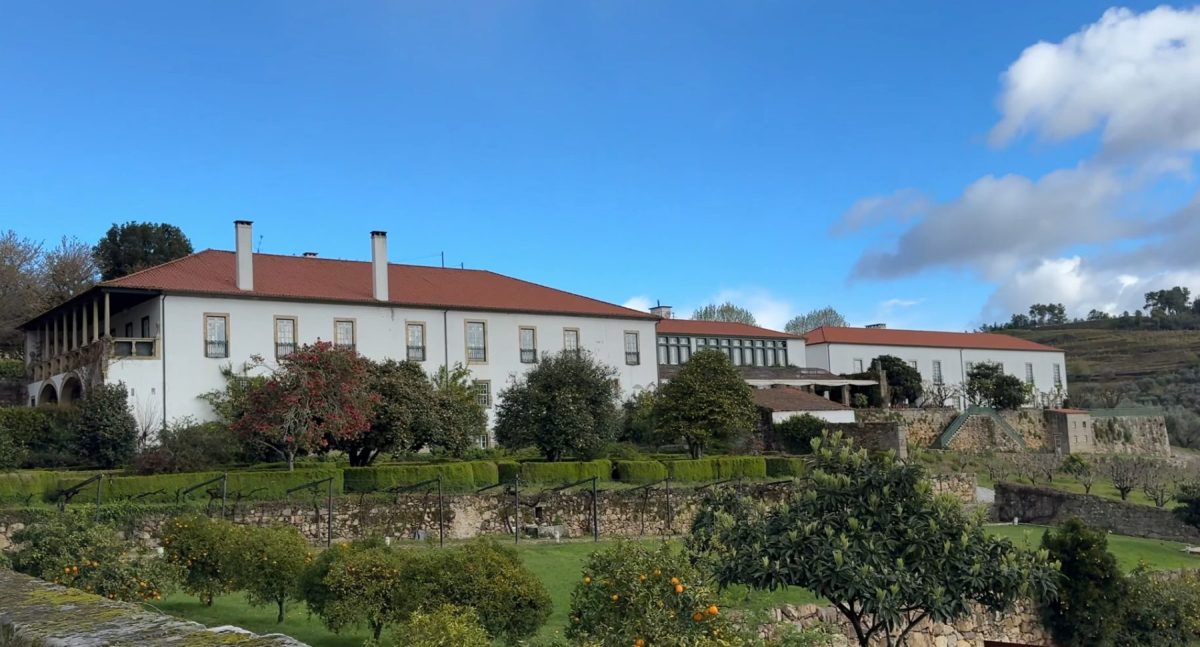
The strongest versions mix a family-run quinta, a modern cellar, and a larger established producer. That contrast matters. Douro is not one flavor. It is a set of arguments conducted through schist, altitude, heat, skins, and barrel choices. Three tastings can be a lot, yes. For the right drinker, that is the whole point.
- Better tasting depth than a 2-winery-and-cruise day.
- More chance to compare Port, Douro reds, whites, and small-production bottles.
- Stronger fit for repeat visitors who already know Gaia’s Port lodges.
- Less downtime for viewpoints.
- Three tastings plus lunch can be too much for travelers who prefer light drinking.
3. Private Douro Wine and Food Tour: Family Estate, Olive Oil, Regional Lunch
Ideal for: Couples, small families, and culinary travelers who want a softer food-and-wine day rather than a technical tasting schedule. Skip this if: You want rare vintages, cellar barrel-room access, or a sommelier-level tasting; food-led tours often simplify the wine discussion.
This version of the Douro usually moves with a little more grace: Porto pickup, a viewpoint, one winery, a regional lunch, olive oil or local product tasting, then a second wine stop before the return. It is built for people who remember texture as much as terminology. Bread dipped into peppery oil. Cured meat. A wedge of cheese. A red wine that feels more honest beside food than it did alone in the tasting room.
Do not expect the most rigorous wine lesson. Expect hospitality, if the operator has chosen well. When lunch works, the day stops behaving like a schedule and starts feeling like a table someone actually wanted you to join. When lunch is lazy, the whole tour sags. I would ask questions before booking.
- Better balance for travelers who do not want back-to-back alcohol.
- Regional lunch makes the Douro feel less like a sightseeing checklist.
- Olive oil, almonds, cheeses, or cured meats add useful context to the valley’s agriculture.
- Lunch quality varies sharply by operator.
- Some “local product” tastings are brief add-ons rather than deep producer visits.
4. Private Gaia Port Lodge Half-Day: Historic Cellars, Premium Tawny and Vintage Tasting
Ideal for: Travelers with limited time in Porto who want Port wine history without spending a full day in the Douro Valley. Skip this if: You want vineyard views; Gaia lodges are ageing cellars and tasting rooms, not grape-growing estates.
Gaia is where Port becomes understandable. A private half-day here can be excellent if the guide avoids the conveyor-belt version of the lodge circuit and pushes into ageing styles: ruby, LBV, vintage, 10-year tawny, 20-year tawny, and the slow oxidative work that turns fruit into walnut, fig, spice, and burnt sugar.
It is also the smartest bad-weather choice. Porto rain can flatten a Douro day, but a cool Gaia cellar almost improves when the sky goes grey. The walls sweat. The barrels darken. Outside, the river vanishes into mist. Inside, an aged tawny can smell like Christmas cake and old furniture in the best possible way.
- No long road transfer.
- Strong rainy-day or hot-weather option.
- Easier to pair with a Porto city walking route or riverside dinner.
- Gaia waterfront can feel crowded in peak season.
- Multiple lodge tastings can become repetitive if the guide does not explain ageing styles clearly.
5. Private Porto City Wine Tour: Port Lodge, Douro Wines, Francesinha or Petiscos
Ideal for: Travelers who want a private Porto wine experience with food, city context, and minimal logistics. Skip this if: You specifically want vineyard landscapes; this format stays urban.
This is the practical pick for arrival day, short stays, or anyone who wants Portuguese wine without giving a full day to the road. The route can run from a viewpoint to Ribeira, across the bridge into Gaia, into a Port lodge, then back toward petiscos or a Francesinha lunch. It is not the Douro, and it should not pretend to be. I like it better when it stays honest.
The appeal sits in compression. Porto’s slopes, Gaia’s cellars, Douro wines by the glass, and food that lands with salt, fat, bread, sauce, and no apology. A compact private Porto city wine tour usually takes about 4–5 hours, while longer city versions with lunch and river elements can stretch toward 9 hours. Choose the shorter one unless you really want the add-ons.
- Best private option for tight schedules.
- Easier to customize around lunch, photography, or specific lodges.
- Less weather-dependent than vineyard tours.
- Porto and Gaia involve cobbles, slopes, and stairs.
- It can feel less exclusive if the cellar visit itself joins a public lodge group.
6. Private Vinho Verde North Portugal Tour: Soalheiro, Ponte de Lima, Loureiro and Alvarinho
Ideal for: Travelers who already know Port or prefer fresh, acidic whites, lighter lunches, green landscapes, and less obvious wine regions. Skip this if: You mainly want Port wine; Vinho Verde is a different region, style, and mood.
North of Porto, wine changes its accent. Vinho Verde feels cooler, wetter, and more Atlantic. Alvarinho from Monção and Melgaço can be textured and serious, not just spritzy picnic wine, while Loureiro often brings citrus, flowers, and a lifted perfume that makes seafood seem inevitable. A good bottle has snap. It clears the head.
A strong private version runs 9–10 hours with two estates, lunch, and stops around Ponte de Lima or the Monção/Melgaço area. I think this is the clever summer alternative when the Douro turns brutal in July and August. The wines do not smoulder. They cut.
- Distinctive alternative to the heavily marketed Douro route.
- Excellent for Alvarinho and Loureiro education.
- Usually less crowded than Douro viewpoints and Pinhão cruises.
- Long road mileage for a wine style some visitors expect to be simple or cheap.
- Estate availability can be more limited than in Gaia or the Douro.
7. Luxury Private Douro: Premium Vehicle, Curated Quintas, Reserve Tasting, Fine Lunch
Ideal for: Honeymooners, high-end couples, small private groups, and wine buyers who want a polished day with fewer compromises. Skip this if: You are price-sensitive; luxury private Douro products can cost several times more than shared day tours.
A luxury Douro tour should never mean just leather seats and a higher invoice. The money has to show up where it counts: curated appointments, premium tasting tiers, quieter quintas, a better lunch setting, a flexible guide, and fewer filler stops. If the day costs around €600+ per person equivalent, I want the wine access to feel different.
When it works, it is excellent. One or two estates instead of a chase across the valley. Reserve bottles. Time to ask real questions. A table with a view where lunch does not eat the whole afternoon. When it fails, frankly, it is just a comfortable car attached to ordinary tastings.
- Best chance of upgraded tastings and better lunch settings.
- More control over pacing, photography stops, and bottle purchases.
- Strong fit for travelers who dislike mixed-group tours.
- Some “luxury” listings mainly mean nicer transport, not better wine access.
- Very long lunch service can reduce actual vineyard time.
Field Notes Before You Book: Private Does Not Always Mean Private at the Quinta
Insider Insight
Ask whether the winery visit is private or only the transport is private. Many Porto private wine tours give you a private driver-guide, then place you into a shared cellar or quinta visit, especially at large Gaia lodges and major Douro estates.
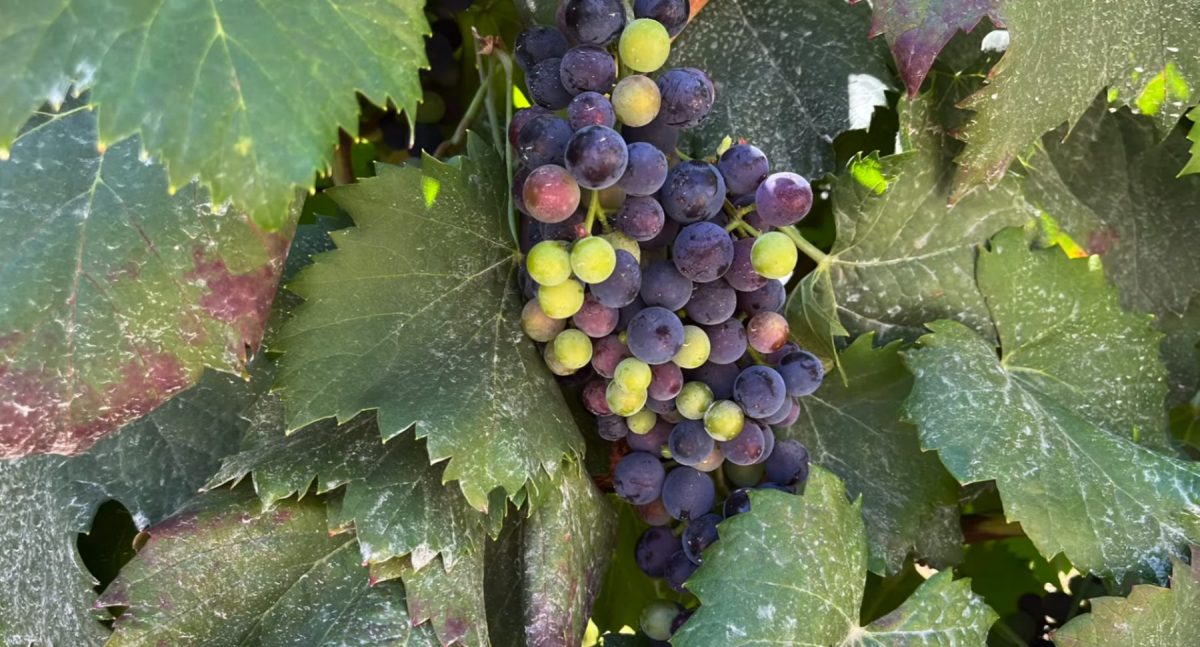
The second thing is shoes. Douro quintas may look elegant in photographs, but the ground often means gravel, uneven stone, cellar steps, terrace edges, and sun-baked slopes. Wear proper walking shoes. Thin sandals turn silly fast on cobbles.
- Pack sunglasses, sunscreen, and water for Douro tours from May through October.
- Bring a light layer for Gaia cellars, which can feel cool and damp even on warm days.
- Use closed shoes for vineyard paths, cellar stairs, gravel courtyards, and Porto’s steep streets.
- Ask the operator in writing whether tastings, lunch, and boat cruise are private or shared.
Plan for bottles before you start tasting. Douro table wines and aged tawnies have a way of making luggage math disappear, especially after a generous pour. Shipping is rarely included, so ask the estate about EU, UK, or US delivery before buying half a case in a happy mood.
Questions Travelers Ask Before Choosing a Private Porto Wine Tour
Is a private wine tour from Porto worth it compared with a shared Douro tour?
Yes, if you care about flexible pickup, fewer strangers, better pacing, and the option to choose between Port-heavy, food-focused, luxury, or Vinho Verde routes. Shared Douro tours are usually cheaper, but private tours lower the risk of rushed tastings and bus-style logistics.
How long does a private Douro wine tour from Porto really take?
Most full-day private Douro tours take 8.5–10 hours. Porto to Régua is about 1 hour 30 minutes by car and Porto to Pinhão is about 2 hours by car, so a Pinhão-focused day usually includes around 4 hours of return driving before winery transfers and stops.
Should travelers choose Douro Valley, Gaia Port lodges, or Vinho Verde?
Choose Douro Valley for vineyard scenery, Port origins, still Douro wines, and quintas. Choose Gaia for a shorter Port-focused cellar experience without the long drive. Choose Vinho Verde for fresh whites, Alvarinho, Loureiro, green landscapes, and a less obvious wine route.
Are private Douro tours safe if everyone wants to taste wine?
Yes, if the tour includes a professional driver-guide or licensed transport. Self-driving after tastings is a poor idea in the Douro because the region has narrow, winding roads and winery-to-winery travel often involves rural slopes.
What is the most common hidden disappointment with private Porto wine tours?
The most common issue is assuming “private” means fully private winery access. Many tours are private for transport and guiding, while the cellar visit, tasting room, lunch venue, or boat cruise may still include other guests unless the operator confirms exclusive appointments in writing.
Where a Great Porto Wine Day Should Leave You
The right private wine tour from Porto should leave a map in your head: Gaia for old casks, the Douro for schist and heat, Vinho Verde for Alvarinho brightness and Atlantic bite. From there, wine travel starts to widen on its own, toward mineral-driven whites in Europe, volcanic vineyards in Asia, and other places where stone, climate, and stubborn hands turn grapes into something you remember after the bottle is gone.